
Microfossils For Sale – Nature’s Tiny Treasures
Microfossils for Sale. Teeth are very commonly found as microfossils when they are:
-
From small animals (rodents, fish, reptiles, sharks)
-
Juvenile individuals (amphibians, reptiles, dinosaurs)
For example:
-
Shark dermal denticles and tiny shark teeth are classic microfossils.
-
Rodent molars are frequently recovered from microfossil screen-washing.
Buy Fossils from Prehistoric Fossils with Confidence. Your TRUSTED SOURCE since 1997. Authenticity Guaranteed.
Showing all 38 resultsSorted by price: high to low
-
Sold out!
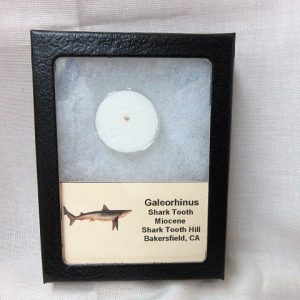
Galeorhinus Shark Tooth #3
$12.50 -
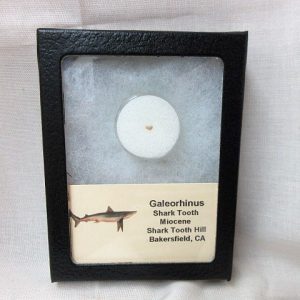
Galeorhinus Shark Tooth #2
$12.50 -
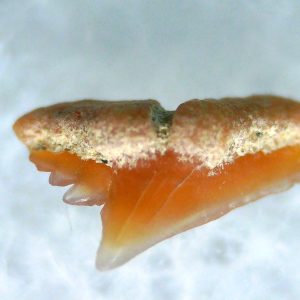
Galeorhinus Extinct Shark Tooth Fossil for Sale 45
$10.00 -
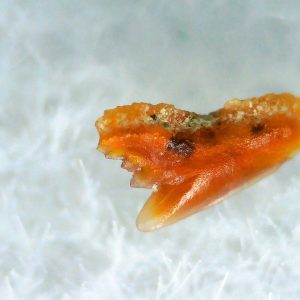
Galeorhinus Extinct Shark Tooth Fossil for Sale 43
$10.00 -
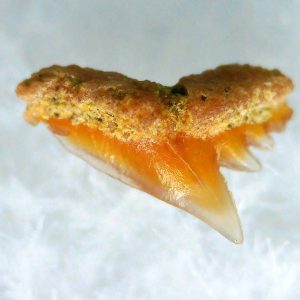
Galeorhinus Extinct Shark Tooth Fossil for Sale 44
$10.00 -
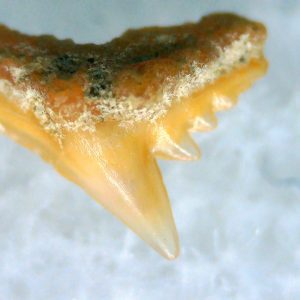
Galeorhinus Extinct Shark Tooth Fossil for Sale 42
$10.00 -
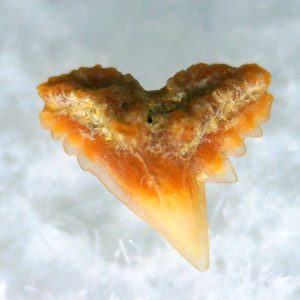
Galeorhinus Extinct Shark Tooth Fossil for Sale 40
$10.00 -

Galeorhinus Extinct Shark Tooth Fossil for Sale 41
$10.00 -
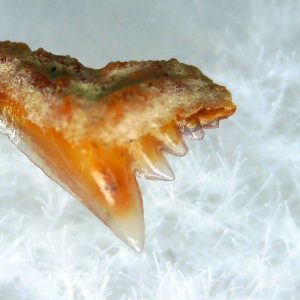
Galeorhinus Extinct Shark Tooth Fossil for Sale 39
$10.00 -
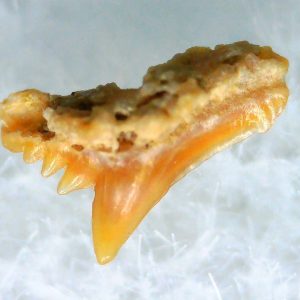
Galeorhinus Extinct Shark Tooth Fossil for Sale 38
$10.00 -
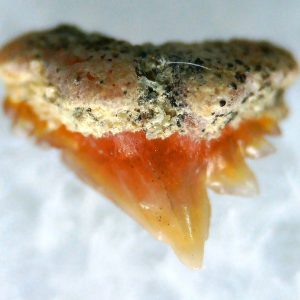
Galeorhinus Extinct Shark Tooth Fossil for Sale 36
$10.00 -
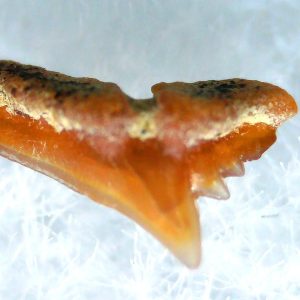
Galeorhinus Extinct Shark Tooth Fossil for Sale 37
$10.00 -
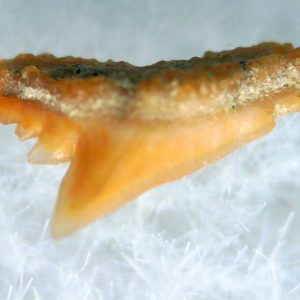
Galeorhinus Extinct Shark Tooth Fossil for Sale 35
$10.00 -
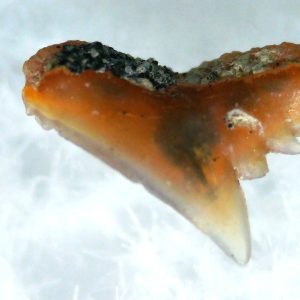
Galeorhinus Extinct Shark Tooth Fossil for Sale 34
$10.00 -
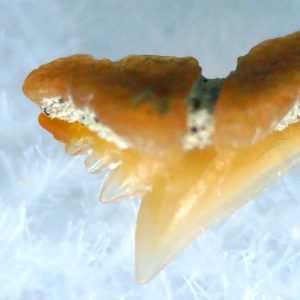
Galeorhinus Extinct Shark Tooth Fossil for Sale 33
$10.00 -
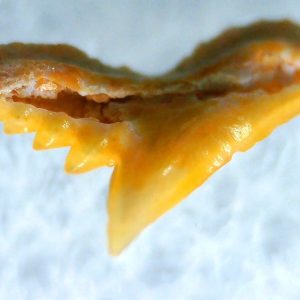
Galeorhinus Extinct Shark Tooth Fossil for Sale 31
$10.00 -
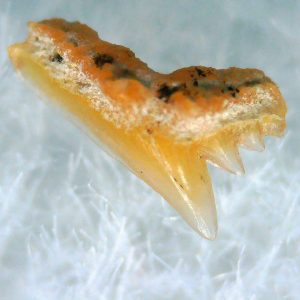
Galeorhinus Extinct Shark Tooth Fossil for Sale 32
$10.00 -
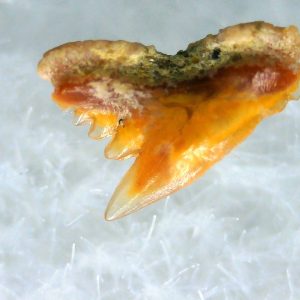
Galeorhinus Extinct Shark Tooth Fossil for Sale 30
$10.00 -
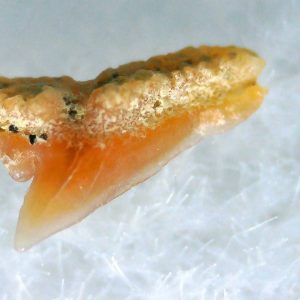
Galeorhinus Extinct Shark Tooth Fossil for Sale 29
$10.00 -
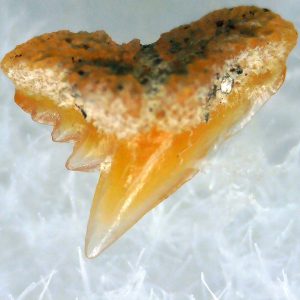
Galeorhinus Extinct Shark Tooth Fossil for Sale 27
$10.00 -
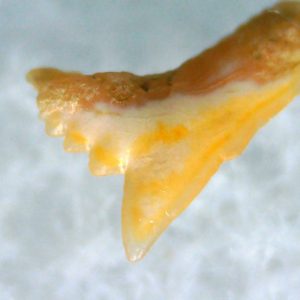
Galeorhinus Extinct Shark Tooth Fossil for Sale 28
$10.00 -
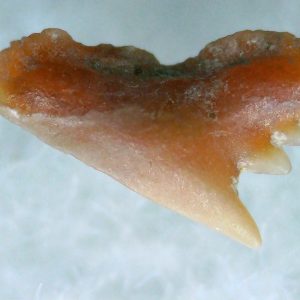
Galeorhinus Extinct Shark Tooth Fossil for Sale 26
$10.00 -
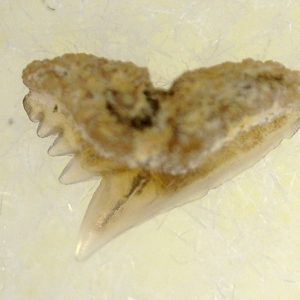
Galeorhinus Shark Tooth #25
$10.00 -
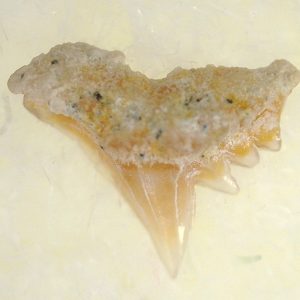
Galeorhinus Shark Tooth #24
$10.00 -
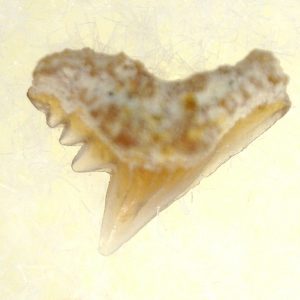
Galeorhinus Shark Tooth #23
$10.00 -
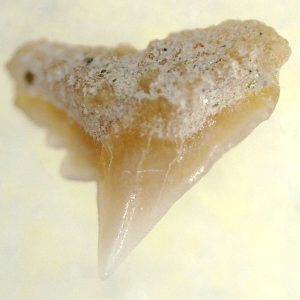
Galeorhinus Shark Tooth #22
$10.00 -
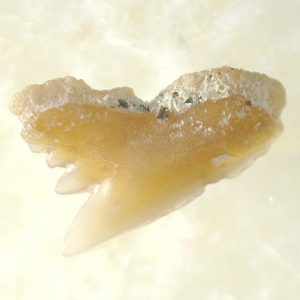
Galeorhinus Shark Tooth #21
$10.00 -

Galeorhinus Shark Tooth #20
$10.00 -
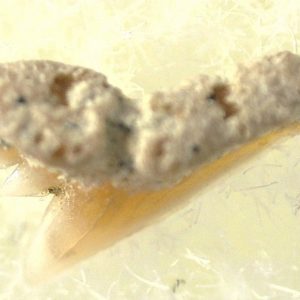
Galeorhinus Shark Tooth #19
$10.00 -
Sold out!
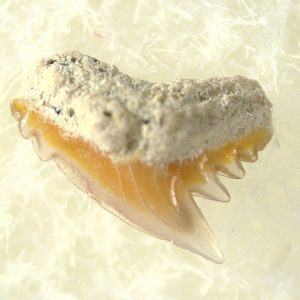
Galeorhinus Shark Tooth #18
$10.00 -
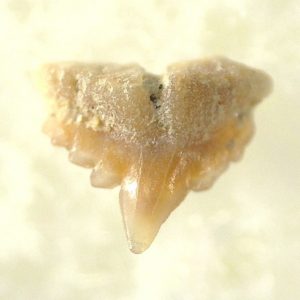
Galeorhinus Shark Tooth #17
$10.00 -
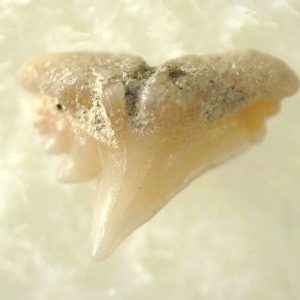
Galeorhinus Shark Tooth #16
$10.00 -
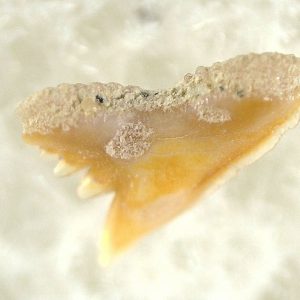
Galeorhinus Shark Tooth #15
$10.00 -
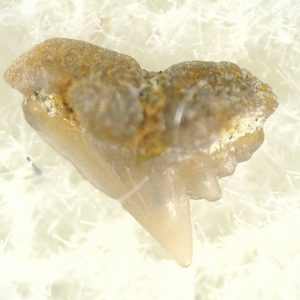
Galeorhinus Shark Tooth #14
$10.00 -
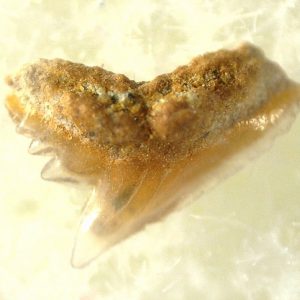
Galeorhinus Shark Tooth #13
$10.00 -
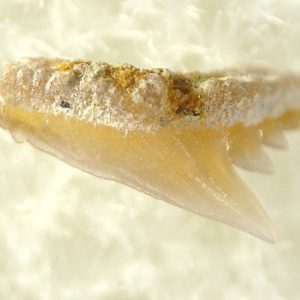
Galeorhinus Shark Tooth #12
$10.00 -
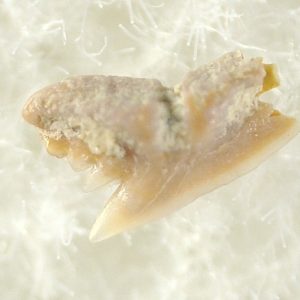
Galeorhinus Shark Tooth #11
$10.00 -

Microfossils for Sale – Tiny Teeth
- Buy Fossils
- Fossils for Sale
- Large Selection
- Great Prices and Great Selection
- Authenticity Guaranteed
- Satisfaction Guaranteed
- Your TRUSTED SOURCE for over 25 years!
- Many more videos are available on our YouTube Channel.
Microfossils and Tiny Fossils: The Hidden Record of Ancient Life
Discover how microfossils and tiny fossils reveal Earth’s ancient climates, evolution, and extinctions. A scientific guide to microscopic fossil evidence.
Introduction: What Are Microfossils?
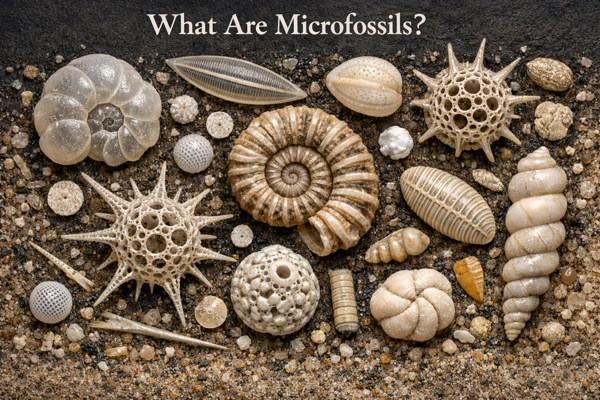
Microfossils are fossilized remains of organisms too small to be studied without magnification, typically under 1 millimeter in size. These tiny fossils include fossilized microorganisms, pollen grains, spores, and minute skeletal fragments of larger organisms.
Though small, microfossils represent one of the most powerful tools in paleontology, geology, and climate science. They provide high-resolution records of ancient ecosystems, evolutionary events, and past climate change spanning hundreds of millions of years.
At Prehistoric Fossils (101 Veterans Blvd., Branson, MO), we frequently help collectors and educators understand how these microscopic fossils contribute to the broader fossil record.
Types of Microfossils
Microfossils are generally divided into two main categories:
- Body Microfossils
These are the preserved physical remains of microscopic organisms.
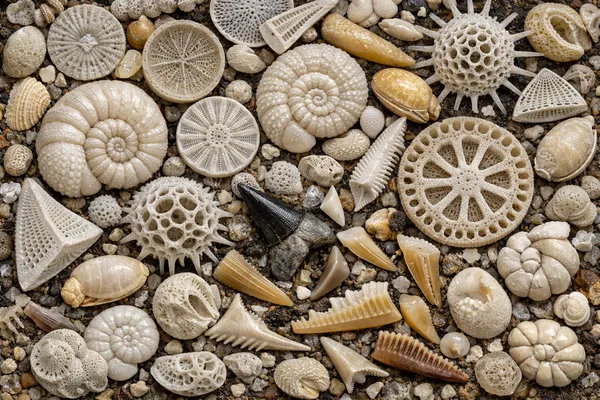
Examples include:
- Foraminifera fossils (marine protozoans with calcium carbonate shells)
- Diatom fossils (silica-based algae)
- Radiolarians
- Ostracods
- Teeth
- Conodont elements
These fossils are especially important for dating marine sedimentary rocks.
- Palynomorphs (Organic Microfossils)
These include:
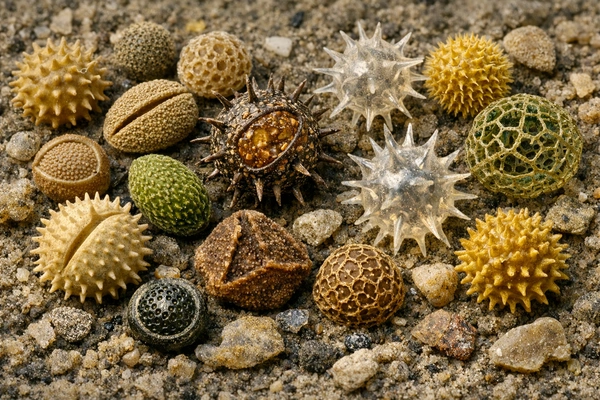
- Fossil pollen
- Spores
- Dinoflagellate cysts
- Acritarchs
Palynomorphs are critical in reconstructing terrestrial vegetation and ancient climate conditions.
Why Microfossils Are Scientifically Important
- Biostratigraphy and Age Dating
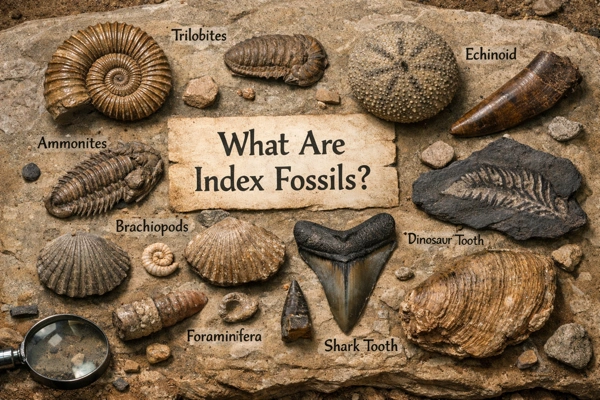
Certain microfossils evolved rapidly and had wide geographic distribution. Because of this, they are excellent index fossils used to determine the relative age of sedimentary rock layers.
For example:
- Specific foraminifera species mark distinct intervals in the Cretaceous and Paleogene periods.
- Conodont fossils are widely used to date Paleozoic marine rocks.
- Paleoclimate Reconstruction
Microfossils are essential in climate science.
Oxygen isotope ratios in foraminifera shells allow scientists to reconstruct:
- Ancient ocean temperatures
- Ice volume changes
- Glacial and interglacial cycles
Diatoms and pollen fossils reveal:
- Past rainfall patterns
- Vegetation shifts
- Drought events
- Atmospheric CO₂ changes
- Evolutionary History
Tiny fossils preserve some of the earliest evidence of life on Earth. Microbial fossils dating back over 3.4 billion years provide insights into:
- Early photosynthetic life
- The Great Oxygenation Event
- Precambrian ecosystems
Microfossils also document major extinction events, including the mass extinction at the end of the Cretaceous.
How Microfossils Form
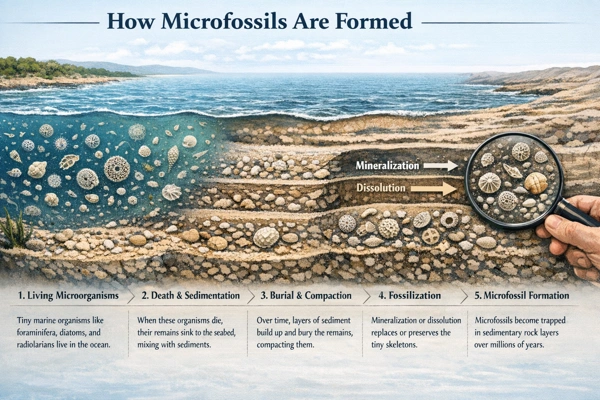
Microfossils typically form in sedimentary environments such as:
- Ocean floors
- Lake beds
- River deltas
- Swamps
The process involves:
- Organism death
- Rapid burial by sediment
- Mineral replacement or preservation of hard parts
- Lithification of sediment into rock
Calcium carbonate shells (foraminifera) and silica skeletons (diatoms) are particularly well preserved in marine sediments.
Where Microfossils Are Found
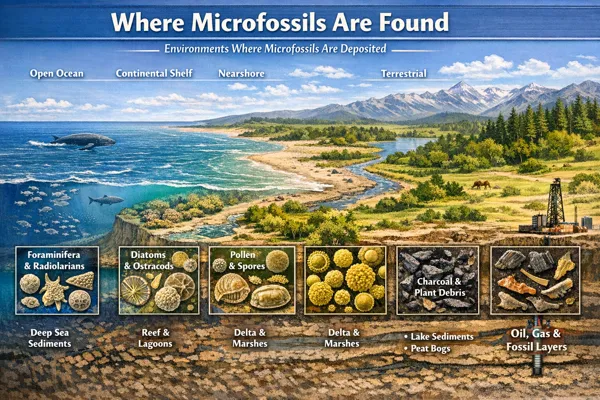
Microfossils are most commonly recovered from:
- Limestone
- Shale
- Chalk deposits
- Deep-sea sediment cores
Famous microfossil-rich formations include:
- The White Cliffs of Dover (chalk composed largely of coccolith microfossils)
- Green River Formation (rich in fossilized algae and microorganisms)
- Deep-sea drilling cores used in oceanographic studies
Collecting Tiny Fossils
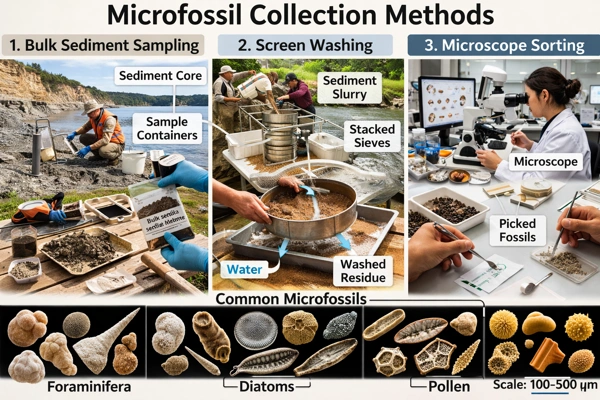
Unlike large dinosaur fossils, microfossils are often collected through:
- Bulk sediment sampling
- Screen washing
- Microscope sorting
Some tiny fossils are visible with a jeweler’s loupe, while others require laboratory-grade microscopes.
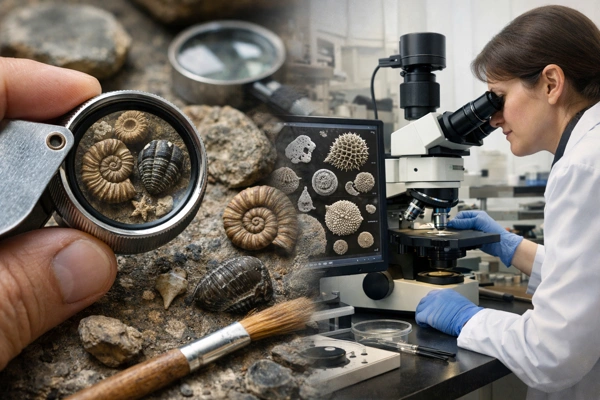
For educators and collectors, microfossils offer:
- Affordable scientific specimens
- High educational value
- Exceptional detail under magnification
Buy Fossils from Prehistoric Fossils with Confidence. Your TRUSTED SOURCE since 1997. Authenticity Guaranteed.