
Megalodon Teeth Fossils For Sale | Authentic Fossil Shark Teeth
Megalodon Teeth Fossils For Sale
Megalodon Teeth Fossils For Sale offer collectors a remarkable look into the life of one of the largest sharks ever known. Otodus megalodon lived mainly from the Miocene into the Pliocene, roughly 23 to 3.6 million years ago. Because sharks have cartilaginous skeletons, their teeth are much more common in the fossil record than their bones.
How Megalodon Teeth Became Fossils
Megalodon replaced its teeth throughout its life. Therefore, thousands of teeth could enter the ocean as older teeth fell out. Over time, sediment buried some of these teeth and helped protect them. Then, groundwater carried minerals into the teeth, gradually changing their original material through fossilization.
Megalodon Tooth Size and Shape
Megalodon teeth have a broad, triangular shape with strong cutting edges. In addition, many teeth show fine serrations along both sides. Their size varies, although some large examples measure more than 7 inches in height. However, tooth size alone does not provide a precise estimate of the shark’s total body length.
Megalodon Fossil Tooth Colors
The color of a fossil tooth depends on the minerals and sediments present during fossilization. As a result, specimens may appear gray, brown, black, blue, or even cream-colored. Furthermore, Megalodon teeth fossils for sale from different regions can have very different colors, textures, and preservation qualities.
Collecting Megalodon Teeth Fossils
Today, Megalodon Teeth Fossils For Sale remain popular with collectors, educators, and fossil enthusiasts. They also provide valuable scientific evidence about ancient marine ecosystems. When properly identified and documented, these fossils connect modern collectors with a remarkable chapter in Earth’s prehistoric history.

Showing all 6 resultsSorted by latest
-
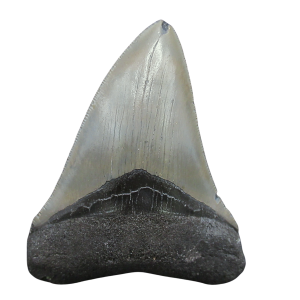
Megalodon Shark Tooth – S. Carolina 4.18″ #99
$245.00 -
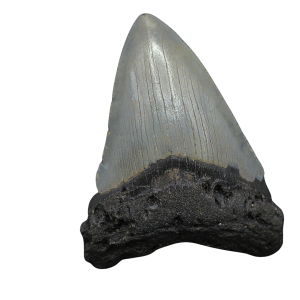
Megalodon Shark Tooth – S. Carolina 4.32″ #98
$245.00 -
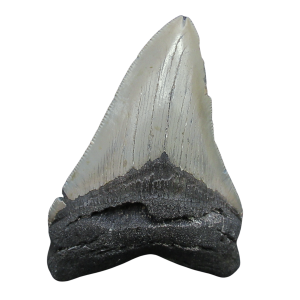
Megalodon Shark Tooth – S. Carolina 4.19″ #97
$225.00 -
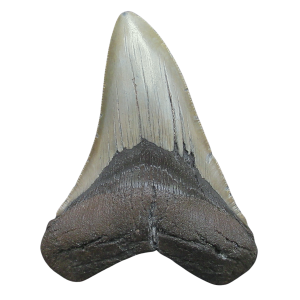
Megalodon Shark Tooth – S. Carolina 4.64″ #95
$245.00 -
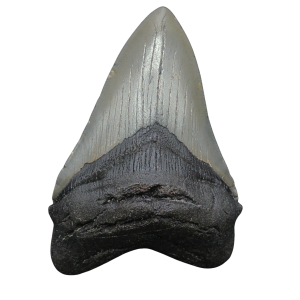
Megalodon Shark Tooth – S. Carolina 4.50″ #94
$245.00 -
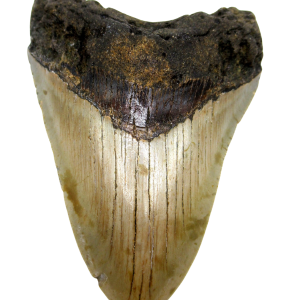
Megalodon Shark Tooth – S. Carolina #73
$195.00
- Buy Fossils
- Megalodon Teeth for Sale
- Fossils for Sale
- Large Selection
- Great Prices and Great Selection
- Authenticity Guaranteed
- Satisfaction Guaranteed
- Your TRUSTED SOURCE SINCE 1997!
- Many more videos are available on our YouTube Channel.
Megalodon Teeth Fossils For Sale: Scientific Insights, Fossil Evidence, and Collecting Significance
Megalodon teeth fossils for sale offer collectors, educators, museums, and fossil enthusiasts an opportunity to own a tangible piece of prehistoric marine history. These remarkable fossils belonged to Otodus megalodon, one of the largest predatory sharks known to have existed. Beyond their collecting appeal, Megalodon teeth provide important scientific evidence about ancient oceans, shark evolution, prehistoric food webs, and marine ecosystems.
Why Megalodon Teeth Fossils Matter
Megalodon teeth fossils are among the most recognizable and scientifically valuable marine fossils ever discovered. Because sharks have skeletons composed primarily of cartilage, their teeth are much more commonly preserved in the fossil record than their skeletal remains.
For this reason, fossilized Megalodon teeth are an important source of information for paleontologists studying the biology and ecology of this extinct apex predator. Today, authentic specimens are also highly sought after by private collectors, museums, researchers, and natural-history enthusiasts.
What Was Megalodon?
 Otodus megalodon lived approximately 23 to 3.6 million years ago, from the Miocene into the early Pliocene. It is widely regarded as the largest macropredatory shark known from the fossil record.
Estimated Megalodon Characteristics
- Estimated length: Approximately 50–65 feet (15–20 meters), although estimates vary among scientific studies
- Estimated weight: Potentially tens of tons, depending on body-size assumptions
- Diet: Large marine animals, including prehistoric whales and other marine mammals
- Habitat: Warm and temperate marine environments around much of the world
Although much remains unknown about Megalodon’s complete anatomy, its enormous teeth provide some of the strongest fossil evidence for understanding its size, feeding adaptations, and predatory lifestyle.
Megalodon Teeth Anatomy and Identification
Megalodon teeth are instantly recognizable because of their large triangular crowns, robust roots, and cutting-edge serrations. These features helped the shark grip and cut through large prey.
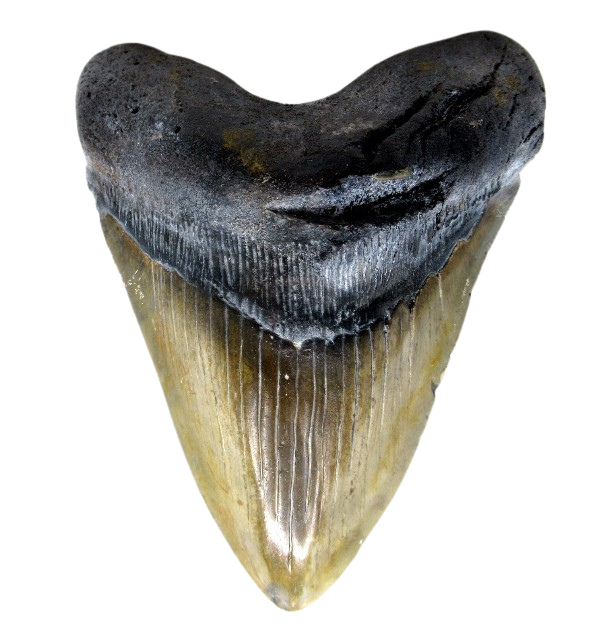
Key Anatomical Features of Megalodon Teeth
- Size: Many complete teeth measure approximately 4–6 inches, while exceptional specimens can exceed 7 inches.
- Shape: The crown is broad and triangular, providing an efficient cutting surface.
- Serrations: The cutting edges contain numerous fine serrations.
- Root: The large, robust root provided structural support for the tooth.
The combination of a broad crown and serrated cutting edges is consistent with a predator adapted for powerful bites and processing large prey. When evaluating Megalodon teeth fossils for sale, collectors commonly examine these anatomical characteristics along with preservation and provenance.
How Megalodon Teeth Became Fossils
Shark teeth are particularly well suited to fossilization because they contain highly mineralized tissues. During a shark’s lifetime, teeth are continually replaced. Thousands of teeth could therefore be shed by an individual shark and eventually become incorporated into marine sediments.
The Megalodon Tooth Fossilization Process
- Natural tooth loss: A tooth is shed as the shark replaces it with a new tooth.
- Deposition: The tooth settles onto the seafloor or another depositional environment.
- Burial: Sediment gradually covers the tooth, helping protect it from erosion and physical damage.
- Mineralization: Groundwater and minerals interact with the tooth over geological time, producing a fossilized specimen.
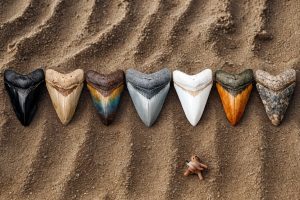
The resulting fossil can display a wide range of colors, including black, gray, blue, tan, brown, and reddish shades. These colors are primarily influenced by the minerals and chemical conditions present in the sediments where the tooth was buried and fossilized. Color alone does not determine a tooth’s geological age.
Where Are Megalodon Teeth Found?
Fossil Megalodon teeth have been discovered in marine deposits on multiple continents, reflecting the broad distribution of this prehistoric shark. Fossils are often recovered from coastal sediments, exposed marine deposits, river systems, dredging operations, and phosphate deposits.
Major Megalodon Fossil Locations
- United States: Florida, South Carolina, North Carolina, and California
- South America: Peru and Chile
- Africa: Morocco and other fossil-bearing regions
- Asia: Indonesia and other areas with suitable marine deposits
- Europe: Belgium, Malta, and other regions with Neogene marine sediments
The exact appearance and preservation of a Megalodon tooth can vary significantly depending on the geological environment in which it was deposited and fossilized.
Megalodon Teeth Fossils For Sale
When shopping for Megalodon teeth fossils for sale, buyers should consider more than size alone. Authenticity, preservation, restoration, provenance, tooth quality, and the reliability of the seller can all influence the desirability and value of a specimen.
Authentic fossil teeth can range from relatively small and affordable specimens to exceptionally large, well-preserved examples that command substantially higher prices. Collectors should carefully review photographs and descriptions and ask about restoration or repairs when purchasing significant specimens.
What to Look for When Buying Fossil Megalodon Teeth
- Size: Larger complete teeth are generally more desirable to collectors.
- Condition: Well-preserved enamel and intact serrations can increase desirability.
- Root preservation: A complete or well-preserved root adds to the overall appeal of a specimen.
- Color and mineralization: Distinctive natural colors can make individual teeth particularly attractive.
- Provenance: Documented locality information can add scientific and collecting value.
- Restoration: Buyers should determine whether a tooth has been repaired, reconstructed, or otherwise restored.
- Seller reputation: Purchasing from an established fossil dealer can provide greater confidence regarding authenticity and specimen information.
Scientific Importance of Megalodon Teeth
Megalodon teeth are more than attractive collectibles. They are important paleontological specimens that can help researchers investigate the biology and ecological role of an extinct marine predator.
What Can Scientists Learn From Megalodon Teeth?
- Body-size estimation: Tooth dimensions can be used with anatomical models to estimate the approximate size of the shark.
- Feeding behavior: Tooth morphology, wear, and damage can provide clues about feeding strategies.
- Geographic distribution: Fossil localities help scientists reconstruct the historical range of Megalodon.
- Evolution: Megalodon teeth contribute to research into the evolutionary history of large lamniform sharks.
- Ancient ecosystems: Their presence in marine sediments helps researchers understand prehistoric marine communities.
Researchers have also investigated possible causes of Megalodon’s extinction. Proposed factors include changes in climate and ocean conditions, shifts in marine mammal populations, changing habitats, and competition with other large predatory sharks. The extinction of Megalodon was likely influenced by multiple interacting ecological factors rather than a single cause.
Megalodon Teeth vs. Great White Shark Teeth
 Megalodon teeth are frequently compared with modern great white shark teeth because both are large, triangular, and serrated. However, there are important differences in their size, proportions, and evolutionary history.
| Feature | Megalodon | Great White Shark |
|---|---|---|
| Typical fossil tooth size | Often several inches; exceptional specimens can exceed 7 inches | Generally considerably smaller |
| Overall shape | Broad, robust triangular crown | Triangular crown with different proportions |
| Serrations | Fine serrations along the cutting edges | Distinct serrations adapted to its feeding strategy |
| Status | Extinct | Living species |
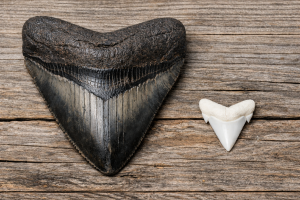 Although Megalodon and great white sharks share an evolutionary relationship within the broader history of lamniform sharks, the modern great white should not simply be described as a direct descendant of Megalodon. Their evolutionary histories are more complex.
Authenticity and Value of Megalodon Teeth
The market for Megalodon teeth fossils for sale includes specimens with substantial differences in size, quality, preservation, and price. A tooth’s value is influenced by a combination of physical and historical characteristics rather than by size alone.
Factors That Can Affect Megalodon Tooth Value
- Overall size and completeness
- Enamel preservation
- Condition of the serrations
- Root completeness
- Natural color and mineralization
- Fossil locality and provenance
- Degree of restoration or repair
- Overall aesthetic quality
Small or heavily worn specimens may be available at relatively modest prices, while exceptionally large, complete, and well-preserved Megalodon teeth can be significantly more valuable. Because fossil laws and collecting regulations vary by location, buyers and collectors should also verify that specimens were legally recovered and can be legally purchased or transported.
Why Collectors Choose Megalodon Teeth
Megalodon teeth fossils combine scientific significance with visual appeal. Their impressive size and distinctive shape make them popular additions to natural-history collections, educational displays, museums, offices, and private collections.
For collectors, each fossil can also preserve information about its geological origin. Differences in color, mineralization, preservation, and morphology make individual teeth unique natural-history specimens.
Conclusion: A Window Into Prehistoric Oceans
Megalodon teeth fossils for sale represent much more than collectible objects. Each authentic tooth is a geological record from an ancient marine environment and provides evidence about one of the most formidable predators in Earth’s history.
The abundance and durability of shark teeth make them particularly important to paleontological research. From studying Megalodon’s enormous size and feeding adaptations to investigating its geographic distribution and eventual extinction, fossil teeth continue to provide valuable evidence about prehistoric oceans.
Whether you are a serious collector, educator, researcher, or simply fascinated by prehistoric life, an authentic Megalodon tooth offers a tangible connection to an ancient world that existed millions of years ago.
Megalodon Teeth Fossils For Sale at Prehistoric Fossils
Buy fossils from Prehistoric Fossils with confidence. Our collection of Megalodon teeth fossils for sale is intended for collectors and enthusiasts seeking authentic natural-history specimens. Prehistoric Fossils has served fossil collectors since 1997, with authenticity and accurate specimen information remaining important considerations when offering fossil material.
Explore our Megalodon Teeth Fossils For Sale collection and discover an authentic piece of prehistoric marine history.