
Fossil Sharkteeth for Sale
Fossil Sharkteeth for Sale – Sharks first appeared in the fossil record during the Silurian Period 450 million years ago and began developing as a unique species.
During that time, the ocean was filled with a variety of bony fish. One of these fish, the Acanthodian, was the very first ancestor of the modern shark.
Acanthodians, also called “spiny sharks,” were the first fish to take on the physical characteristics of a shark. They were the first to develop the cartilaginous skeletal structures that define sharks.
All sharks living today have evolved from this early fish. Sharks continually shed their teeth during their lifetime, thus there are MILLIONS of SHARKTEETH present in the fossil record.
Fossil Sharkteeth can be a variety of colors from tan, brown black and anything in between. Typically, if the sharkteeth are white, they are modern.
We offer a large selection of fossil sharkteeth from around the world including MEGALODONS!

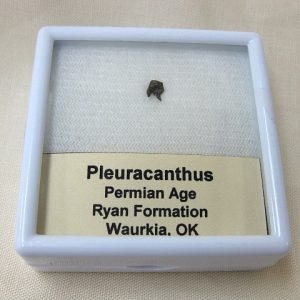
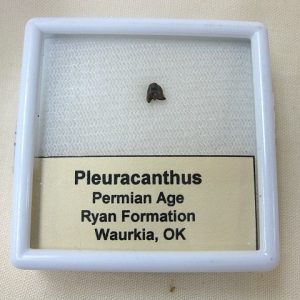

- Buy Fossils
- Fossils for Sale
- Large Selection
- Great Prices and Great Selection
- Authenticity Guaranteed
- Satisfaction Guaranteed
- Your TRUSTED SOURCE SINCE 1997!
- Many more videos are available on our YouTube Channel.
Fossil Shark Teeth:
Introduction
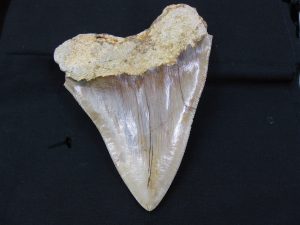
Fossil shark teeth are among the most common and scientifically valuable vertebrate fossils. Sharks have existed for over 420 million years, and because their skeletons are cartilaginous, teeth are often the only parts that fossilize. Their durable enameloid structure allows them to survive for millions of years in marine sediments.
Why Shark Teeth Fossilize
Sharks continuously shed and replace their teeth—often tens of thousands over a lifetime. This, combined with rapid burial in ocean sediments and the hardness of enameloid, explains their abundance in the fossil record. Fossil shark teeth are important tools in biostratigraphy and paleoenvironmental reconstruction.
Common Fossil Shark Teeth
- Megalodon (Otodus megalodon) – Large triangular teeth with serrations; apex predator of the Miocene–Pliocene oceans

- Great White (Carcharodon carcharias) – Serrated cutting teeth; appears in the fossil record ~16 million years ago

- Requiem Sharks (Carcharhinus) – Narrow teeth common in coastal fossil deposits

Scientific Significance
Fossil shark teeth help scientists understand:
- Ancient food webs and feeding strategies
- Past ocean temperatures and sea levels
- Shark evolution and extinction events
The decline of megalodon, for example, aligns with global ocean cooling and reduced prey availability.
Conclusion
Fossil shark teeth are critical records of prehistoric marine life. Their abundance, durability, and diagnostic features make them invaluable to paleontology, education, and responsible collecting.