
Fossil Eggs for Sale
Fossil Eggs for Sale Fossil Eggs for Sale – Fossil eggs are the fossilized remains of eggs laid by ancient animals.
As the majority of eggs do not contain any fetal remains or embryos, they are considered trace fossils.
On RARE occasion remains of the animal are preserved giving science a unique insight into their origins.
We offer a large selection of fossil eggs for sale. Buy Fossils with Confidence
Showing 1–50 of 309 results
-
Sold out!
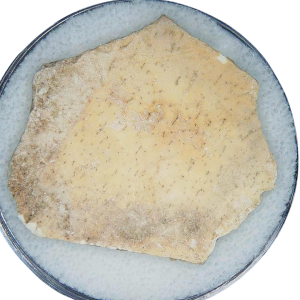
Elephant Bird – Aepyornis Eggshell from Madagascar #1
$15.00 -
Sold out!
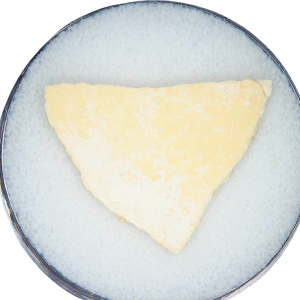
Elephant Bird – Aepyornis Eggshell from Madagascar #10
$15.00 -
Sold out!
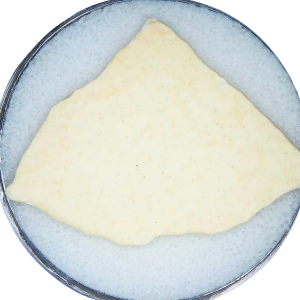
Elephant Bird – Aepyornis Eggshell from Madagascar #11
$15.00 -
Sold out!
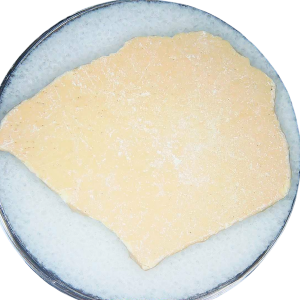
Elephant Bird – Aepyornis Eggshell from Madagascar #12
$15.00 -
Sold out!
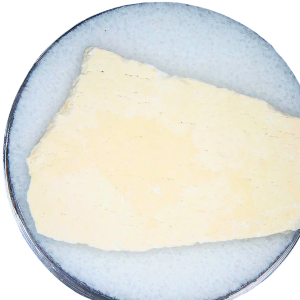
Elephant Bird – Aepyornis Eggshell from Madagascar #13
$15.00 -
Sold out!
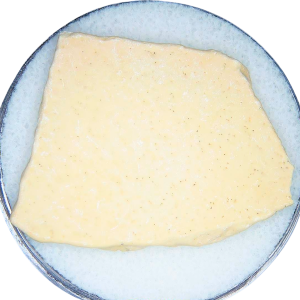
Elephant Bird – Aepyornis Eggshell from Madagascar #14
$15.00 -
Sold out!
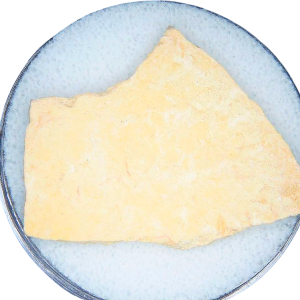
Elephant Bird – Aepyornis Eggshell from Madagascar #15
$15.00 -
Sold out!
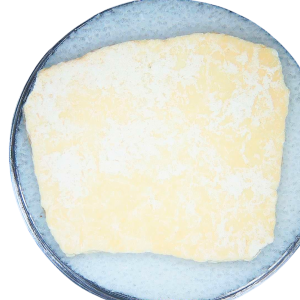
Elephant Bird – Aepyornis Eggshell from Madagascar #16
$15.00 -
Sold out!
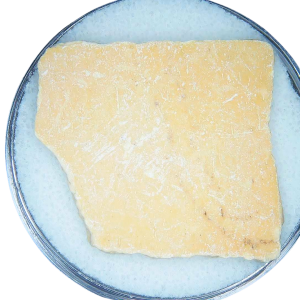
Elephant Bird – Aepyornis Eggshell from Madagascar #17
$15.00 -
Sold out!
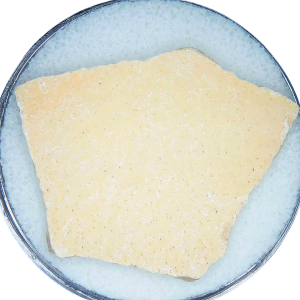
Elephant Bird – Aepyornis Eggshell from Madagascar #18
$15.00 -
Sold out!
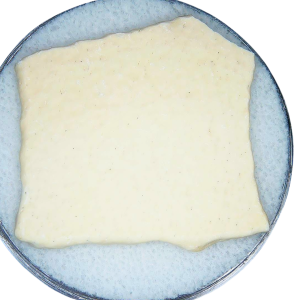
Elephant Bird – Aepyornis Eggshell from Madagascar #19
$15.00 -
Sold out!
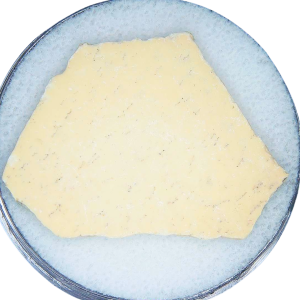
Elephant Bird – Aepyornis Eggshell from Madagascar #2
$15.00 -
Sold out!
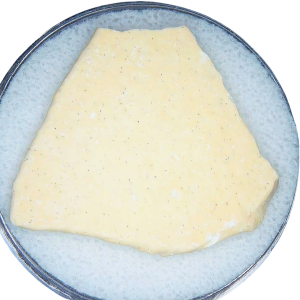
Elephant Bird – Aepyornis Eggshell from Madagascar #20
$15.00 -
Sold out!
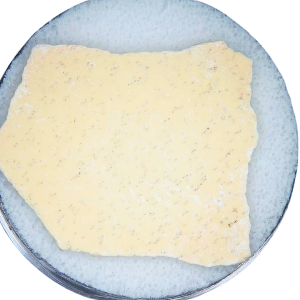
Elephant Bird – Aepyornis Eggshell from Madagascar #21
$15.00 -
Sold out!
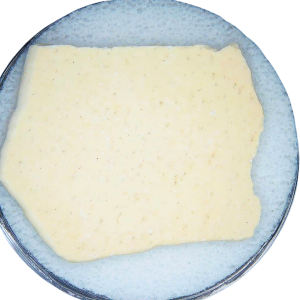
Elephant Bird – Aepyornis Eggshell from Madagascar #22
$15.00 -
Sold out!
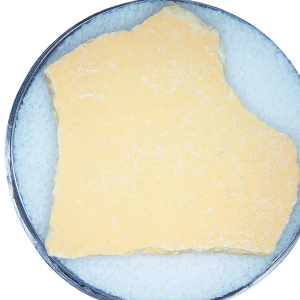
Elephant Bird – Aepyornis Eggshell from Madagascar #23
$15.00 -
Sold out!
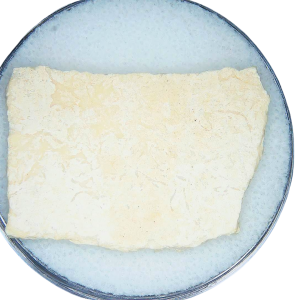
Elephant Bird – Aepyornis Eggshell from Madagascar #24
$15.00 -
Sold out!
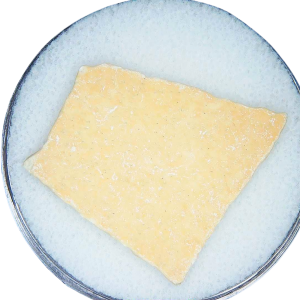
Elephant Bird – Aepyornis Eggshell from Madagascar #3
$15.00 -
Sold out!
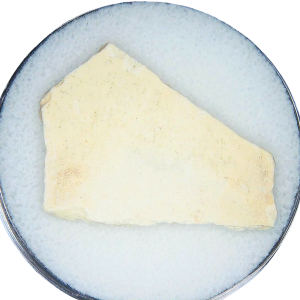
Elephant Bird – Aepyornis Eggshell from Madagascar #4
$15.00 -
Sold out!
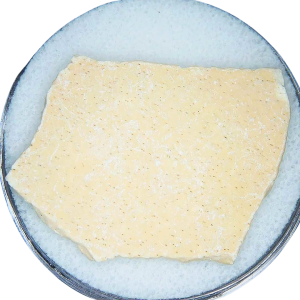
Elephant Bird – Aepyornis Eggshell from Madagascar #5
$15.00 -
Sold out!
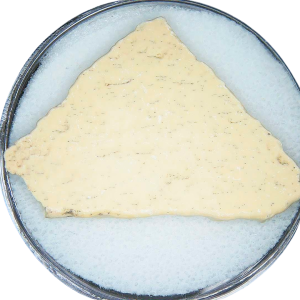
Elephant Bird – Aepyornis Eggshell from Madagascar #6
$15.00 -
Sold out!
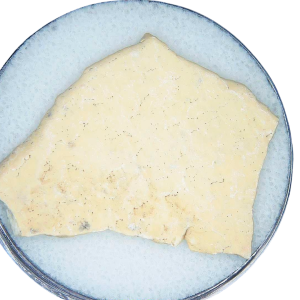
Elephant Bird – Aepyornis Eggshell from Madagascar #7
$15.00 -
Sold out!
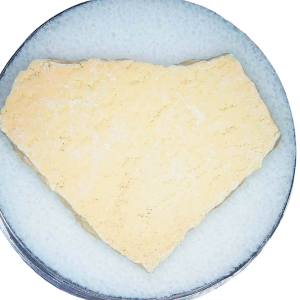
Elephant Bird – Aepyornis Eggshell from Madagascar #8
$15.00 -
Sold out!
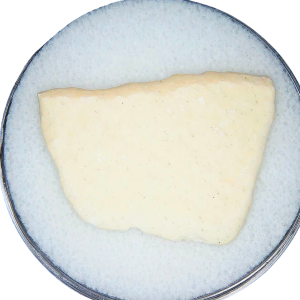
Elephant Bird – Aepyornis Eggshell from Madagascar #9
$15.00 -
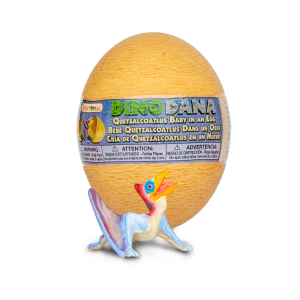
Quetzalcoatlus Dino Dana Baby in Egg
$6.99 -
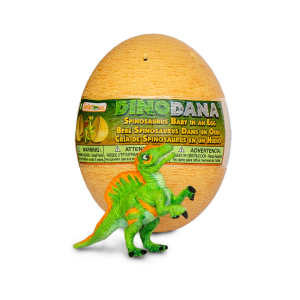
Spinosaurus Dino Dana Baby in Egg
$6.99 -
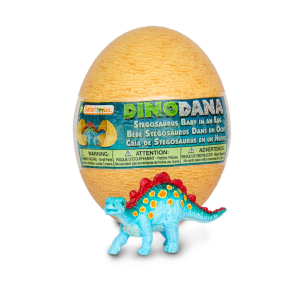
Stegosaurus Dino Dana Baby in Egg
$6.99 -
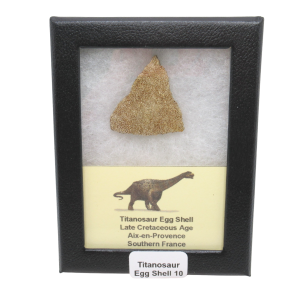
Titanosaur Dinosaur Egg Shell Fossil for Sale from France #10
$25.00 -
Sold out!
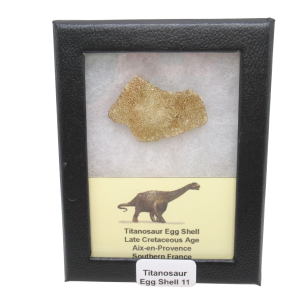
Titanosaur Dinosaur Egg Shell Fossil for Sale from France #11
$25.00 -
Sold out!
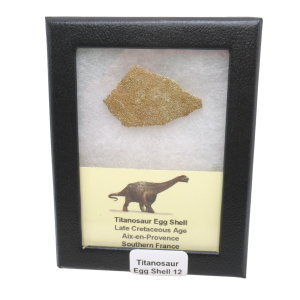
Titanosaur Dinosaur Egg Shell Fossil for Sale from France #12
$25.00 -
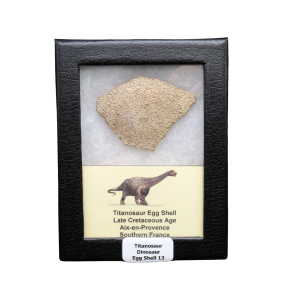
Titanosaur Dinosaur Egg Shell Fossil for Sale from France #13
$25.00 -
Sold out!
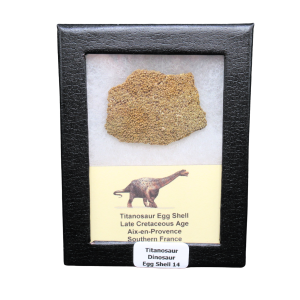
Titanosaur Dinosaur Egg Shell Fossil for Sale from France #14
$25.00 -
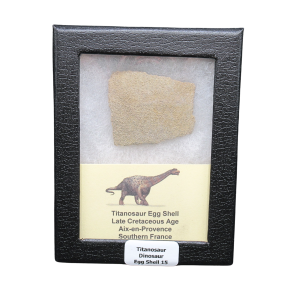
Titanosaur Dinosaur Egg Shell Fossil for Sale from France #15
$25.00 -
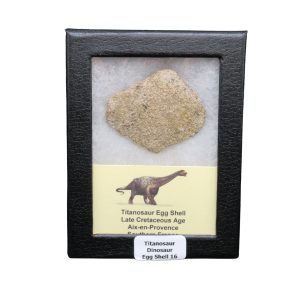
Titanosaur Dinosaur Egg Shell Fossil for Sale from France #16
$25.00 -
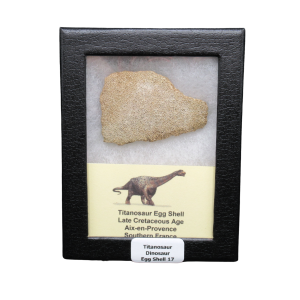
Titanosaur Dinosaur Egg Shell Fossil for Sale from France #17
$25.00 -
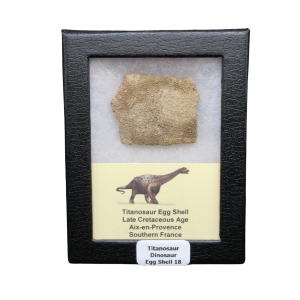
Titanosaur Dinosaur Egg Shell Fossil for Sale from France #18
$25.00 -
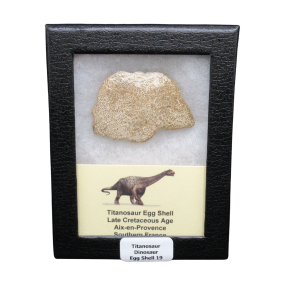
Titanosaur Dinosaur Egg Shell Fossil for Sale from France #19
$25.00 -
Sold out!
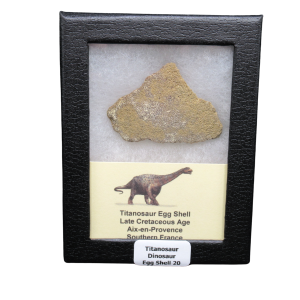
Titanosaur Dinosaur Egg Shell Fossil for Sale from France #20
$25.00 -
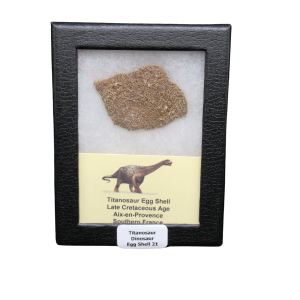
Titanosaur Dinosaur Egg Shell Fossil for Sale from France #21
$25.00 -
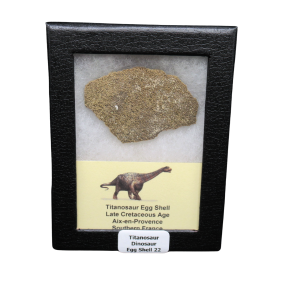
Titanosaur Dinosaur Egg Shell Fossil for Sale from France #22
$25.00 -
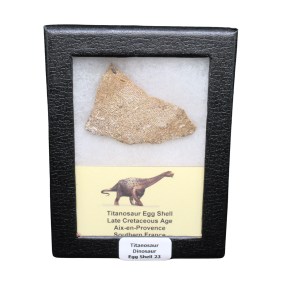
Titanosaur Dinosaur Egg Shell Fossil for Sale from France #23
$25.00 -
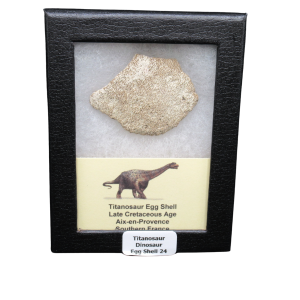
Titanosaur Dinosaur Egg Shell Fossil for Sale from France #24
$25.00 -
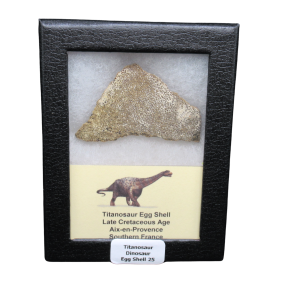
Titanosaur Dinosaur Egg Shell Fossil for Sale from France #25
$25.00 -
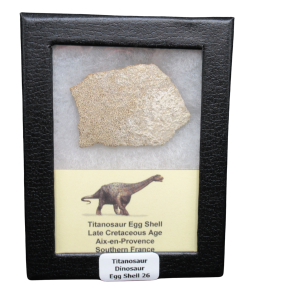
Titanosaur Dinosaur Egg Shell Fossil for Sale from France #26
$25.00 -
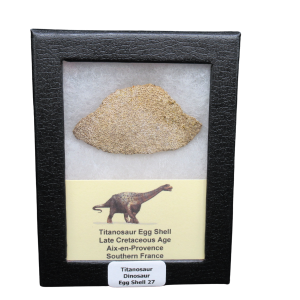
Titanosaur Dinosaur Egg Shell Fossil for Sale from France #27
$25.00 -
Sold out!
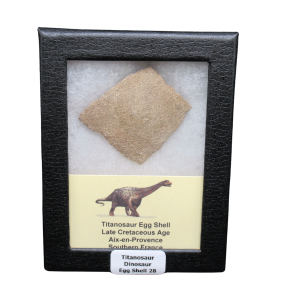
Titanosaur Dinosaur Egg Shell Fossil for Sale from France #28
$25.00 -
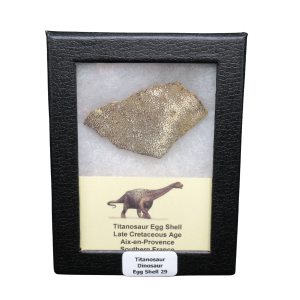
Titanosaur Dinosaur Egg Shell Fossil for Sale from France #29
$25.00 -
Sold out!
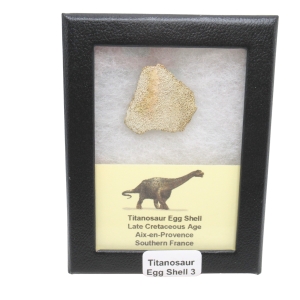
Titanosaur Dinosaur Egg Shell Fossil for Sale from France #3
$25.00 -
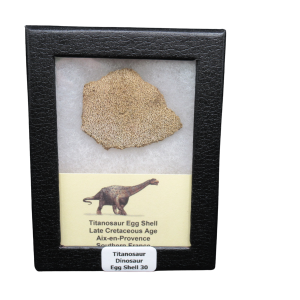
Titanosaur Dinosaur Egg Shell Fossil for Sale from France #30
$25.00 -
Sold out!
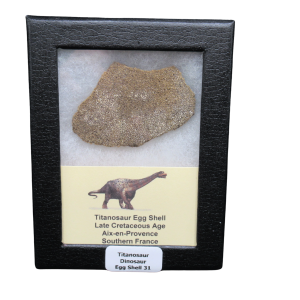
Titanosaur Dinosaur Egg Shell Fossil for Sale from France #31
$25.00
- Buy Fossils
- Fossils for Sale
- Large Selection
- Great Prices and Great Selection
- Authenticity Guaranteed
- Satisfaction Guaranteed
- Your TRUSTED SOURCE for over 25 years!
- Many more videos are available on our YouTube Channel.
The Science of Fossil Eggs: What Ancient Oology Reveals About Prehistoric Life
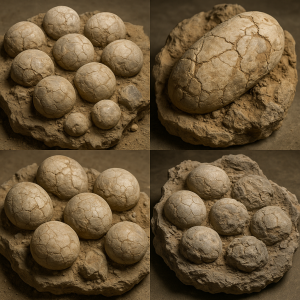
Introduction
Fossil eggs — scientifically known as oolites or ovum fossils — are rare windows into the reproductive biology, nesting behavior, and evolutionary strategies of prehistoric animals. While dinosaur bones dominate public imagination, fossil eggs are often more scientifically informative because they preserve details about embryonic development, nesting environments, and even parental care.
What Are Fossil Eggs?
Fossil eggs form when the calcium carbonate or protein-rich shells of ancient eggs undergo mineral replacement or permineralization. Over millions of years, the original biological material is replaced by minerals such as:
- Calcite
- Silica
- Iron compounds (hematite, limonite)
- Phosphate minerals
Not all eggs fossilize. In fact, only a small fraction survives due to fragile shell structures and environmental decay.
How Paleontologists Identify Fossil Eggs
- Eggshell Microstructure
Under a scanning electron microscope (SEM), eggshells show diagnostic features:
- Pore systems (tubocanaliculate, spherulitic, angusticanaliculate)
- Shell units specific to clutches (Hadrosaur-type, Theropod-type)
- Crystal growth patterns
This microstructure allows researchers to classify eggs into parataxonomic oospecies, such as:
- Elongatoolithidae (oviraptor eggs)
- Spheroolithidae (hadrosaur eggs)
- Faveoloolithidae (sauropod eggs)
How Fossil Eggs Form (Taphonomy)
Fossilization depends heavily on the nest environment. Favorable conditions include:

✔ Rapid burial by volcanic ash
Protects the clutch from scavengers and weathering.
✔ Floodplain sedimentation
Preserves eggs in fine silts and mudstones.
✔ Arid desert dune fields
Keeps eggs intact through desiccation and stabilization.
✔ Mineral-rich groundwater
Promotes shell replacement and permineralization.
If the environment is too acidic or oxygen-rich, eggs simply dissolve and vanish from the record.
What Fossil Eggs Reveal
Modern eggs give clues about parent species — but fossil eggs can reveal entire ecosystems.
- Dinosaur Parenting Behavior
Several nesting sites (e.g., Mongolia’s Djadochta Formation) show:
- Communal nesting
- Brooding postures
- Repeated use of the same nesting grounds
Oviraptor fossils famously show adults sitting atop clutches — a strong indicator of avian-like parental care.
- Embryonic Development
CT scans and micro-CT imaging reveal:
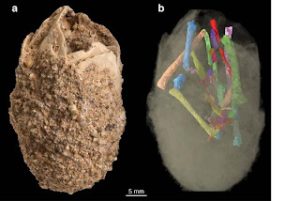
- Bone ossification stages
- Posture of embryos
- Species identification from skull and limb anatomy
- Paleoenvironmental Conditions
Eggshell pore density can estimate:
- Humidity levels
- Temperature
- Nest oxygenation
This gives scientists insight into ancient climate conditions.
Famous Fossil Egg Discoveries
Auca Mahuevo (Argentina)
Home to hundreds of titanosaur sauropod nests, with well-preserved embryos.
Djadochta Formation (Mongolia)
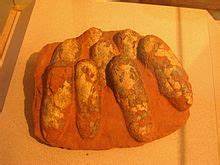
Oviraptorid eggs with adult dinosaurs preserved in brooding positions.
Henan Province (China)
Rich deposits of spherical hadrosaur eggs and theropod clutches.
Lourinhã Formation (Portugal)
Late Jurassic nests with some of the earliest known dinosaur embryos.
How Experts Verify Authenticity of Fossil Eggs
Because fossil eggs are highly collectible, authentication is crucial.
Experts examine:
- Eggshell microstructure (most reliable)
- Sediment matrix consistency
- Shell unit shape & arrangement
- Lamination patterns
- CT scanning of interior structure
Red flags include:
- Molded replicas with unnatural symmetry
- Incorrect mineralization
- Composite specimens (“franken-eggs”)
- Artificially filled centers
If you sell fossil eggs (like Prehistoricfossils does), maintaining transparent provenance and authentication improves buyer trust.
Conclusion
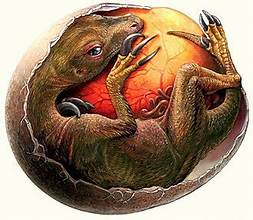
Fossil eggs are among the most scientifically valuable fossils on Earth. They preserve evidence of:
- Reproductive strategies
- Theropod-avian evolutionary links
- Embryo development
- Ancient climate conditions
For museums, collectors, and paleontology enthusiasts alike, fossil eggs represent a uniquely intimate glimpse into prehistoric life.
Buy Fossils from Prehistoric Fossils with Confidence