
Echinoid Fossils For Sale | Fossil Sea Urchins
Echinoid Fossils For Sale – Ancient Sea Urchin Fossils
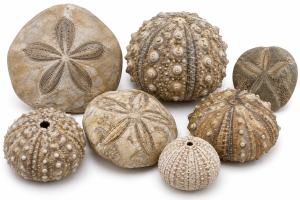
Echinoid Fossils For Sale offer collectors a fascinating look at ancient marine life that existed for hundreds of millions of years. Echinoids belong to the class Echinoidea, which includes modern sea urchins, sand dollars, and heart urchins. They are echinoderms and, therefore, close relatives of starfish and crinoids. The earliest known echinoids appeared during the Ordovician Period more than 450 million years ago.
How Ancient Echinoids Lived
Most echinoids lived on or within the seafloor. Their bodies had a hard shell called a test, which consisted of tightly joined calcite plates. In addition, living echinoids carried movable spines that helped with protection, movement, and feeding. However, these spines often separated from the test after death. Consequently, echinoid fossils for sale with attached spines can be especially interesting to collectors.
Echinoid Fossils Through Geologic Time
Early Paleozoic echinoids differed greatly from many modern forms. Later, echinoids became more diverse, especially during the Mesozoic Era. Some developed rounded bodies, while others evolved flatter or heart-shaped forms suited for burrowing through sediment.
Moreover, many fossil echinoids preserve distinctive five-part patterns. These patterns reflect the animal’s unique body structure and may appear as rows of pores or petal-shaped areas on the test.
Why Collect Echinoid Fossils?
Today, collectors value Echinoid Fossils For Sale for their beauty, variety, and scientific importance. They occur in marine rocks throughout the world. Furthermore, paleontologists use echinoid fossils to study ancient environments, evolution, and changes in prehistoric oceans. From small Paleozoic species to detailed Mesozoic and Cenozoic specimens, fossil echinoids offer an attractive window into Earth’s ancient seas.
Showing all 50 resultsSorted by latest
-
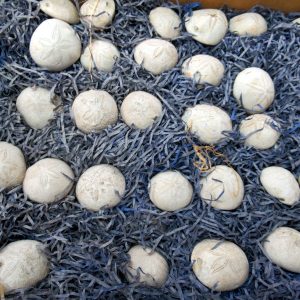
Florida Cassidulus Echinoid | 1 frm Group
$5.00 -
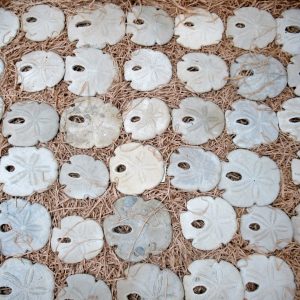
Florida Encope Echinoid | 1 from #Group
$10.00 -
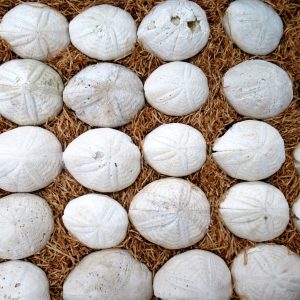
Florida Eupatagus Echinoid 1 from #Group
$6.00 -
Sold out!
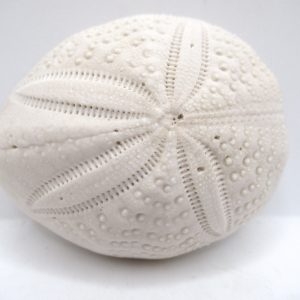
Florida Eupatagus Echinoid #25
$15.00 -
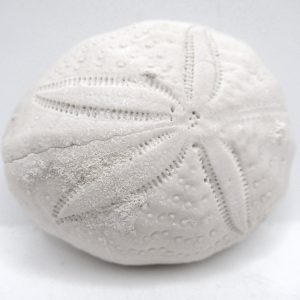
Florida Eupatagus Echinoid #26
$15.00 -
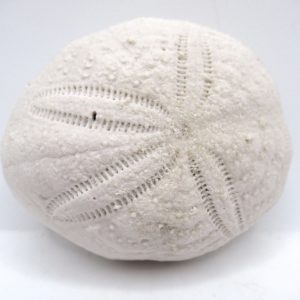
Florida Eupatagus Echinoid #27
$15.00 -
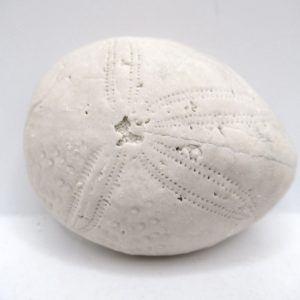
Florida Eupatagus Echinoid #56
$15.00 -
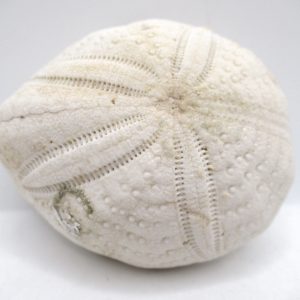
Florida Eupatagus Echinoid #55
$15.00 -
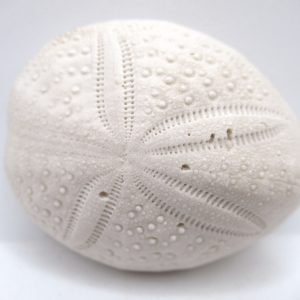
Florida Eupatagus Echinoid #54
$15.00 -
Sold out!
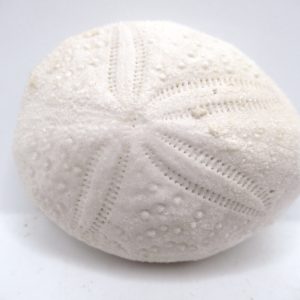
Florida Eupatagus Echinoid #53
$15.00 -
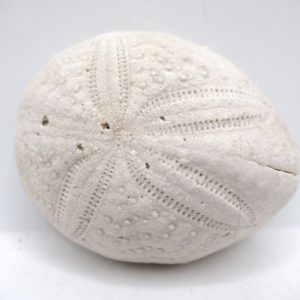
Florida Eupatagus Echinoid #52
$15.00 -
Sold out!
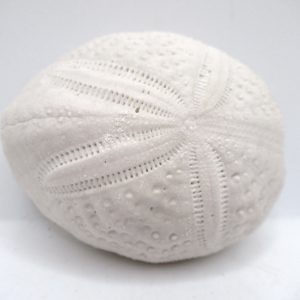
Florida Eupatagus Echinoid #51
$15.00 -
Sold out!
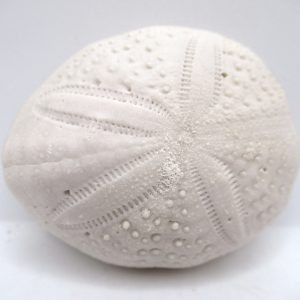
Florida Eupatagus Echinoid #50
$15.00 -
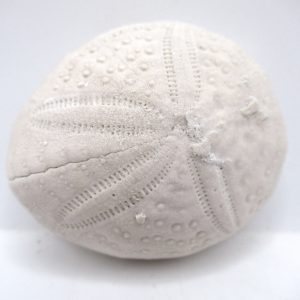
Florida Eupatagus Echinoid #49
$15.00 -
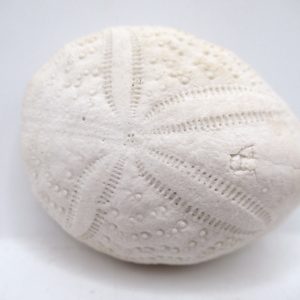
Florida Eupatagus Echinoid #48
$15.00 -
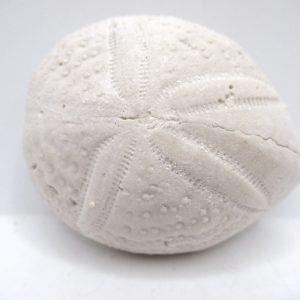
Florida Eupatagus Echinoid #47
$15.00 -
Sold out!
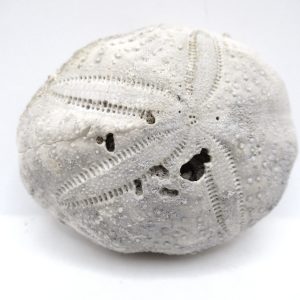
Florida Eupatagus Echinoid #46
$15.00 -
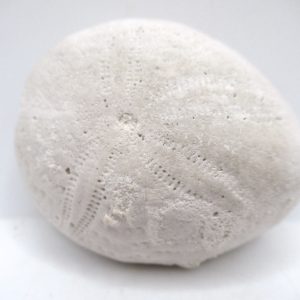
Florida Eupatagus Echinoid #45
$15.00 -
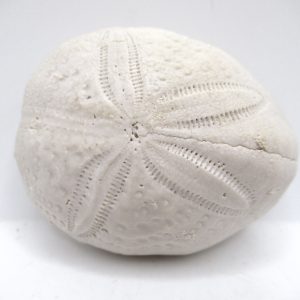
Florida Eupatagus Echinoid #44
$15.00 -
Sold out!
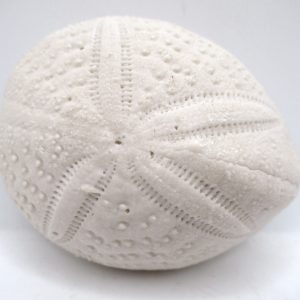
Florida Eupatagus Echinoid #43
$15.00 -
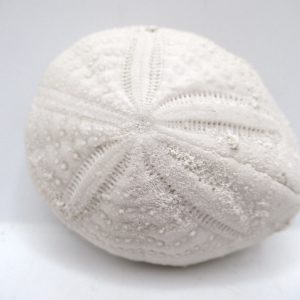
Florida Eupatagus Echinoid #42
$15.00 -
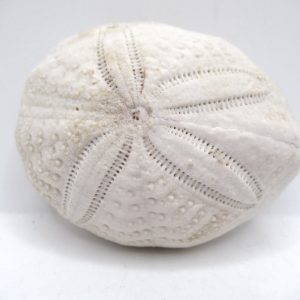
Florida Eupatagus Echinoid #41
$15.00 -
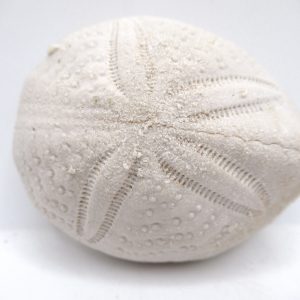
Florida Eupatagus Echinoid #40
$15.00 -
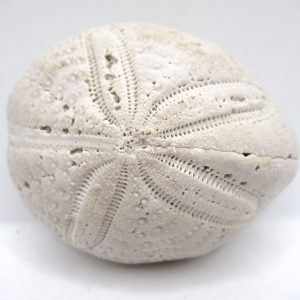
Florida Eupatagus Echinoid #39
$15.00 -
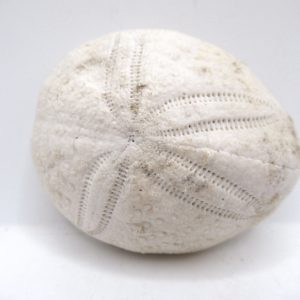
Florida Eupatagus Echinoid #38
$15.00 -
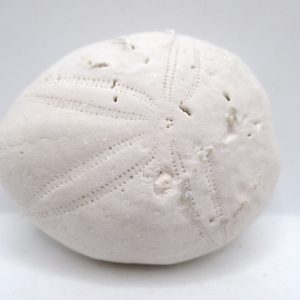
Florida Eupatagus Echinoid #37
$15.00 -
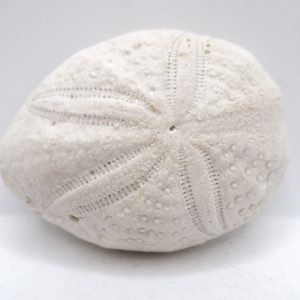
Florida Eupatagus Echinoid #36
$15.00 -
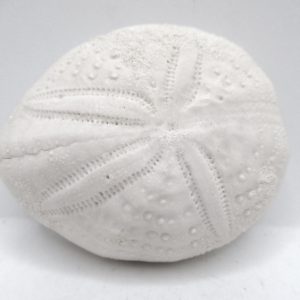
Florida Eupatagus Echinoid #35
$15.00 -
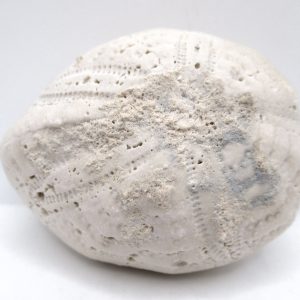
Florida Eupatagus Echinoid #34
$15.00 -
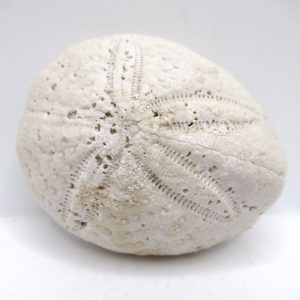
Florida Eupatagus Echinoid #33
$15.00 -
Sold out!
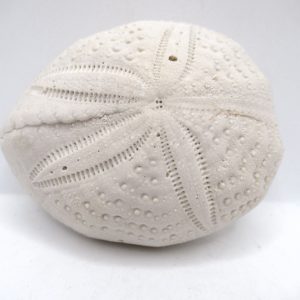
Florida Eupatagus Echinoid #32
$15.00 -
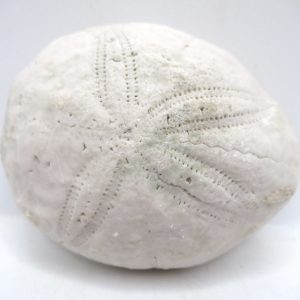
Florida Eupatagus Echinoid #31
$15.00 -
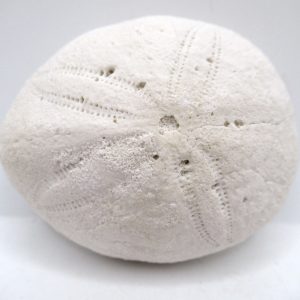
Florida Eupatagus Echinoid #30
$15.00 -
Sold out!
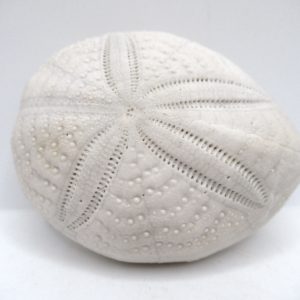
Florida Eupatagus Echinoid #29
$15.00 -
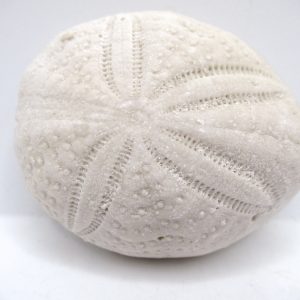
Florida Eupatagus Echinoid #28
$15.00 -
Sold out!
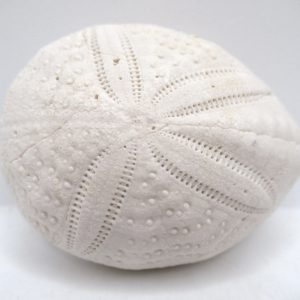
Florida Eupatagus Echinoid #24
$15.00 -
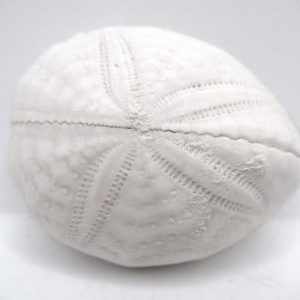
Florida Eupatagus Echinoid #23
$15.00 -
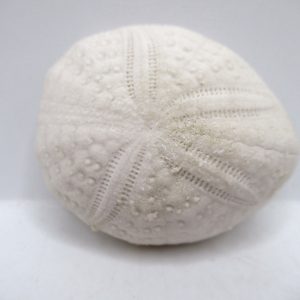
Florida Eupatagus Echinoid #22
$15.00 -
Sold out!
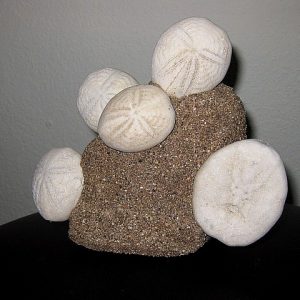
Florida Eupatagus antillarium Echinoid Plate #1
$100.00 -
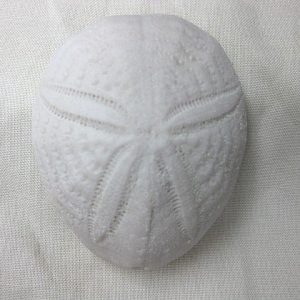
Florida Eupatagus antillarium Echinoid #11
$15.00 -
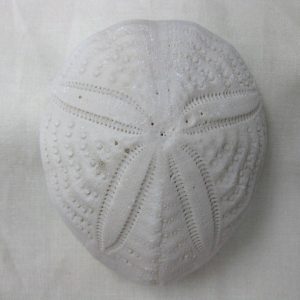
Florida Eupatagus antillarium Echinoid #12
$15.00 -
Sold out!
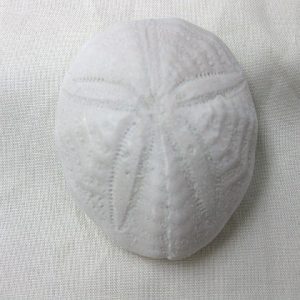
Florida Eupatagus antillarium Echinoid #16
$15.00 -
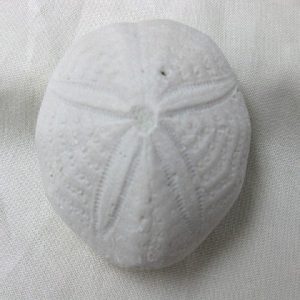
Florida Eupatagus antillarium Echinoid #17
$15.00 -
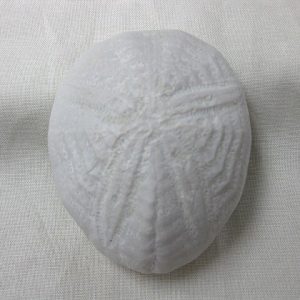
Florida Eupatagus antillarium Echinoid #19
$15.00 -
Sold out!
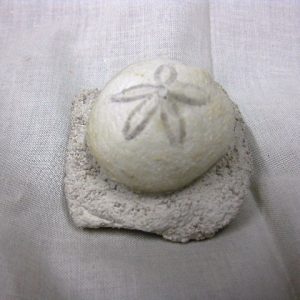
Rhyncholampas Echinoid #1
$19.50 -
Sold out!
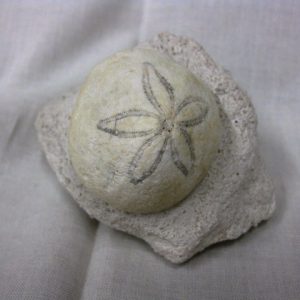
Rhyncholampas Echinoid #7
$19.50 -
Sold out!
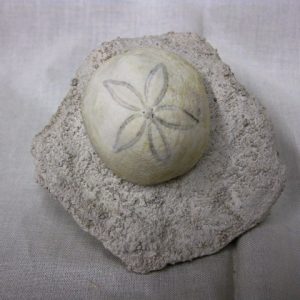
Rhyncholampas Echinoid #6
$19.50 -
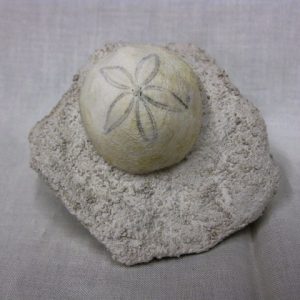
Rhyncholampas Echinoid #5
$19.50 -
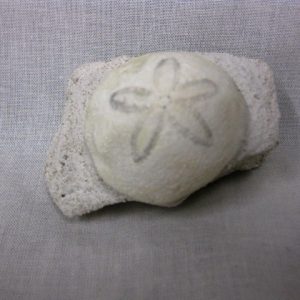
Rhyncholampas Echinoid #3
$19.50 -
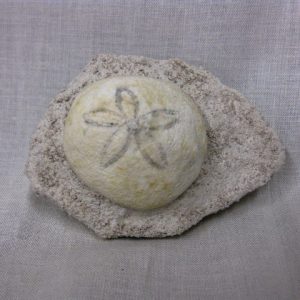
Rhyncholampas Echinoid #2
$19.50
- Buy Fossils
- Fossils for Sale
- Large Selection
- Great Prices and Great Selection
- Authenticity Guaranteed
- Satisfaction Guaranteed
- Your TRUSTED SOURCE for over 25 years!
- Many more videos are available on our YouTube Channel.
Echinoid Fossils For Sale – Collecting Fossil Sea Urchins
Echinoid Fossils For Sale give collectors a fascinating way to explore the history of ancient marine life. Echinoids belong to the phylum Echinodermata, which also includes crinoids, sea stars, and brittle stars. Modern echinoids include sea urchins, sand dollars, and heart urchins. Their fossil record extends back more than 450 million years to the Ordovician Period.
Because echinoids developed hard calcium carbonate tests, they often fossilized well under favorable conditions. Therefore, collectors can find specimens that preserve detailed plate patterns, feeding structures, tubercles, and, in rare cases, spines. These features make fossil echinoids both scientifically useful and attractive for display.
Understanding Echinoid Fossils
Echinoids have a rigid skeleton called a test, which consists of tightly joined calcite plates. In addition, most species display a five-part body pattern known as pentaradial symmetry. Small openings in the test allowed tube feet to extend outward for movement, feeding, and respiration.
Collectors searching for Echinoid Fossils For Sale will encounter two main groups. Regular echinoids usually have rounded bodies with radial symmetry and prominent spines. In contrast, irregular echinoids often have flattened, oval, or heart-shaped bodies adapted for burrowing through sediment.
How Echinoid Fossils Form
After an echinoid dies, its spines commonly detach from the test. Currents, scavengers, and wave action may then damage or scatter the remains. However, rapid burial can protect the skeleton before it breaks apart.
As sediment accumulates, minerals may preserve the original calcite test or replace part of it. Additionally, sediment can fill the hollow interior and create an internal mold. Consequently, fossil echinoids occur in several preservation styles, including original tests, mineralized specimens, molds, and casts.
Where Fossil Echinoids Are Found
Fossil echinoids occur in marine sedimentary rocks around the world. For example, important specimens come from the United States, Morocco, England, France, Madagascar, and other regions. Cretaceous and Cenozoic formations contain especially diverse examples.
In the United States, collectors often encounter echinoids from Texas, Florida, Mississippi, and other areas that once lay beneath shallow seas. Meanwhile, European chalk deposits contain well-known genera such as Micraster and Hemiaster.
What Makes an Echinoid Fossil Collectible?
Several factors affect the appeal of Echinoid Fossils For Sale. First, completeness matters. Specimens with intact tests usually attract more attention than broken examples. Likewise, clear surface detail can reveal plate boundaries, petaloid patterns, and spine attachment points.
Rarity, geological age, locality, and preservation also influence collector interest. Furthermore, specimens with original spines are much less common because the spines often separate soon after death. For this reason, articulated examples may hold greater scientific and display value.
Building an Echinoid Fossil Collection
Beginning collectors can start with common, well-preserved specimens and then add rarer genera or unusual localities. Comparing regular and irregular echinoids also helps collectors understand how these animals adapted to different marine environments.
Most importantly, reliable identification and geological information increase a fossil’s educational value. A useful specimen label should include the genus or species when known, geological formation, approximate age, and collecting locality.
Collect Genuine Echinoid Fossils
Echinoid Fossils For Sale combine natural beauty, scientific importance, and hundreds of millions of years of evolutionary history. Whether you collect a small sea urchin test, a heart urchin, or a rare specimen with preserved spines, each fossil provides direct evidence of an ancient marine ecosystem. Therefore, accurately identified and responsibly sourced echinoid fossils make excellent additions to educational, scientific, and private collections.