
Crab Fossils For Sale | Genuine Fossil Crabs
Crab Fossils For Sale – Ancient Crustaceans Preserved in Stone
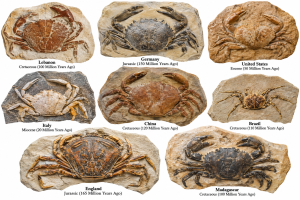
Crab Fossils For Sale offer collectors and educators a fascinating look at crustaceans that lived in ancient oceans, coastal waters, and other marine environments. Crabs belong to a large group of crustaceans called decapods. Although crab-like crustaceans have a long history, true crabs became increasingly diverse during the Mesozoic Era. Today, crab fossils help scientists study the evolution of marine ecosystems.
How Crab Fossils Form
Because crabs have hard shells, claws, and legs, some body parts can survive long enough for fossilization. However, complete crab fossils remain less common because their bodies often break apart after death. Therefore, collectors searching for Crab Fossils For Sale often value specimens that preserve the carapace, claws, or several legs.
Why Complete Crab Fossils Are Uncommon
In addition, fine sediment sometimes buried dead crabs quickly. This rapid burial protected delicate body parts from scavengers, waves, and strong currents. As a result, some fossil crabs preserve remarkable details, including shell texture, joints, legs, and claws.
Where Crab Fossils Are Found
Moreover, paleontologists find crab fossils in marine rocks around the world. Famous specimens come from Europe, North America, Asia, and other regions. Their remains range from the Mesozoic Era to much younger geological deposits.
Collecting Crab Fossils
Ultimately, Crab Fossils For Sale provide both scientific and educational value. Furthermore, each genuine specimen offers evidence of ancient marine life, crustacean evolution, and changing environments through geological time. For fossil collectors, crab fossils combine natural beauty with an important record of prehistoric ocean ecosystems.
Showing all 4 resultsSorted by latest
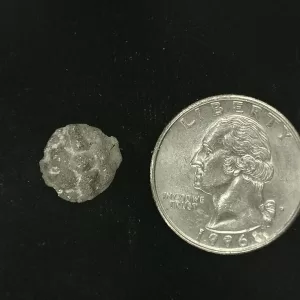
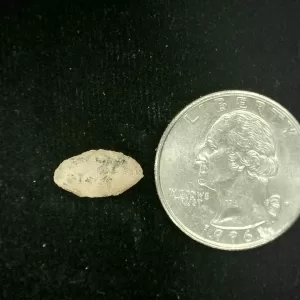
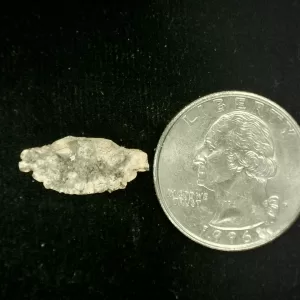
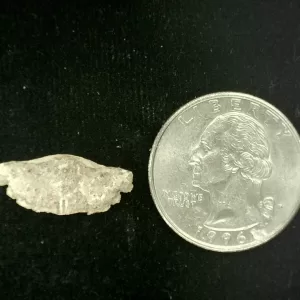
Crab Fossils For Sale – Collecting Fossil Crabs
Crab Fossils For Sale give collectors a fascinating way to explore the history of ancient marine life. Fossil crabs belong to a diverse group of crustaceans, and their fossil record extends back more than 150 million years. Today, collectors value fossil crabs for their detailed shells, claws, legs, and remarkable three-dimensional preservation.
Why Collect Fossil Crabs?
Unlike many fossils, some fossil crabs preserve much of the original shape of the animal. In particular, specimens found inside concretions or nodules can show excellent detail. As a result, well-preserved examples may display the carapace, claws, walking legs, and even small surface features.
Moreover, fossil crabs occur at sites around the world. Important specimens have been found in Europe, North America, South America, Asia, Australia, and New Zealand. Therefore, collectors searching for Crab Fossils For Sale can build collections representing different geological periods, species, and prehistoric environments.
What Should Fossil Crab Collectors Look For?
When purchasing a fossil crab, examine the completeness and quality of preservation. A specimen with a complete carapace and several original legs or claws generally offers greater collector appeal than a partial example.
However, preparation also matters. Fossil crabs can have delicate appendages, so skilled preparation requires patience and experience. Excessive restoration may make a fossil look more complete while hiding its natural condition. Therefore, buyers should purchase Crab Fossils For Sale from knowledgeable fossil dealers who clearly describe repairs, reconstruction, and restoration.
Understanding Fossil Crab Authenticity
Authenticity remains especially important when collecting fossil crabs. Genuine specimens should contain naturally fossilized material, although some fossils may require stabilization, repair, or limited restoration during preparation.
Furthermore, collectors should look for accurate identification and locality information whenever available. A fossil crab accompanied by a reliable identification label provides useful information for future study, display, and collection records.
Building a Fossil Crab Collection
Beginning collectors can start with attractive and affordable specimens before moving into rarer species or exceptionally complete examples. For instance, collectors may organize fossil crabs by geological age, country, genus, species, or preservation style.
In addition, comparing different fossil crabs can reveal changes in crustacean body form through geological time. Their fossils also provide evidence about ancient marine habitats, including reefs, shallow seas, coastal environments, and deeper-water settings.
Why Crab Fossils Appeal to Collectors
Ultimately, collecting fossil crabs combines paleontology, geology, natural history, and the enjoyment of owning a genuine piece of Earth’s prehistoric past. Each specimen represents an individual animal that once lived within an ancient ecosystem.
For both beginning and experienced collectors, carefully identified Crab Fossils For Sale can provide attractive display specimens as well as opportunities to learn about crustacean evolution and prehistoric environments. Choosing genuine fossils from established and knowledgeable fossil dealers helps collectors build collections with lasting educational, scientific, and historical value.