
Fish Fossils for Sale – Ancient Windows Into Earth’s Past
Fish Fossils for Sale
Genuine Prehistoric Fish Fossils
We have Fish Fossils for Sale from various geologic time periods and locations around the world. Fish have a remarkably long evolutionary history, and their fossils provide important evidence about the development of vertebrate life on Earth.
The Evolution of Prehistoric Fish
The evolution of fish began more than 500 million years ago, with important early vertebrate developments taking place during and after the Cambrian Explosion. During this early period, chordates developed features that eventually led to the first craniates and vertebrates. Early fish lineages included the Agnatha, or jawless fish.
Fish underwent hundreds of millions of years of evolution, which is well represented in the fossil record. Today, fishes represent the most diverse group of vertebrates on Earth.
What Are Prehistoric Fish Fossils?
Prehistoric fish include ancient and extinct fish known from the fossil record. Their history extends from early vertebrate forms of the Paleozoic Era through species that lived much later in Earth’s history. The scientific study of fossil fish is called paleoichthyology.
Some living fish, such as the coelacanth, are sometimes informally called prehistoric fish or “living fossils” because modern representatives retain features associated with ancient lineages. However, fish that became extinct only recently are not normally described as prehistoric fish.
What Can Fish Fossils Tell Us?
Fossil fish show that prehistoric species came in an extraordinary range of sizes, body shapes, scales, teeth, fins, and skeletal structures. These fossils help paleontologists study how fish evolved and adapted to ancient freshwater and marine environments.
Authentic Fish Fossils for Sale
We offer a large selection of Fish Fossils for Sale from different geological time periods and geographic locations. Each fossil provides a tangible connection to ancient aquatic ecosystems and makes an excellent addition to a fossil collection, educational display, or natural history collection.
Important Information About Split-Limestone Fish Fossils
Please note: Fossils found in limestone that must be split apart are unlikely to separate perfectly. One side may contain the main positive fossil while portions of the specimen remain on the opposite half of the limestone plate. Therefore, some areas may appear incomplete or missing.
It is common for these areas to be stabilized or restored using a tinted preservative or similar material. In addition, a very thin protective coating may be applied to help stabilize delicate carbonized fossil material and reduce flaking.
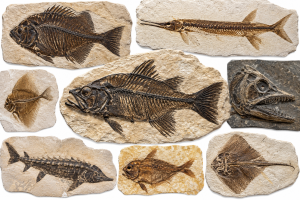
Showing 51–100 of 484 results
-

Swordfish Rostrum Fossil South Carolina 3
$200.00 -

Swordfish Rostrum Fossil South Carolina 4
$200.00 -

Swordfish Rostrum Fossil South Carolina 6
$225.00 -

Swordfish Rostrum Fossil South Carolina 7
$225.00 -

Swordfish Rostrum Fossil South Carolina 8
$225.00 -
Sold out!
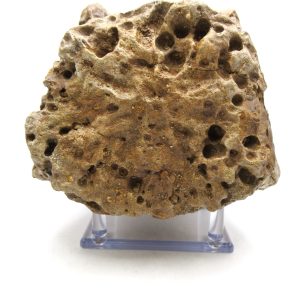
Basilosaurus Primitive Wh. Vertebra #1
$150.00 -
Sold out!
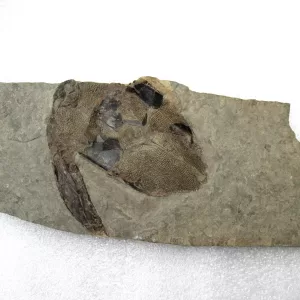
Bothriolepis canadensis Placoderm Fish 1
$900.00 -
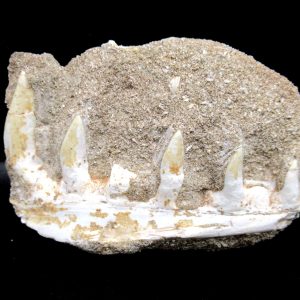
Cretaceous Enchodus Fish Jaw #1
$125.00 -
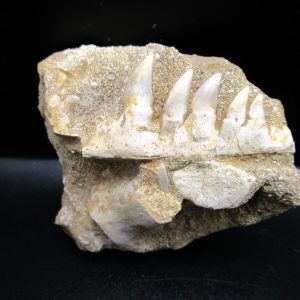
Cretaceous Enchodus Fish Jaw #4
$135.00 -
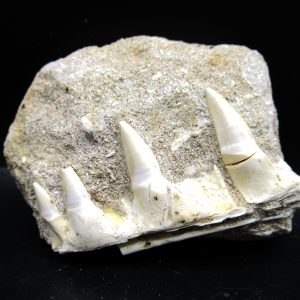
Cretaceous Enchodus Fish Jaw #5
$125.00 -
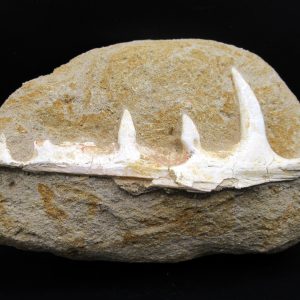
Cretaceous Enchodus Fish Jaw #6
$195.00 -
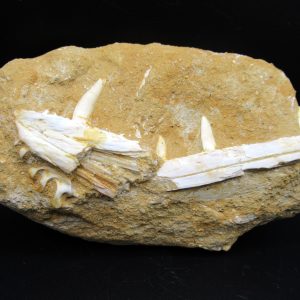
Cretaceous Enchodus Fish Jaw #7
$195.00 -
Sold out!
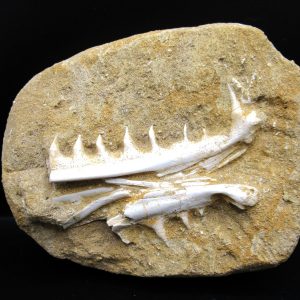
Cretaceous Enchodus Fish Jaw #8
$245.00 -
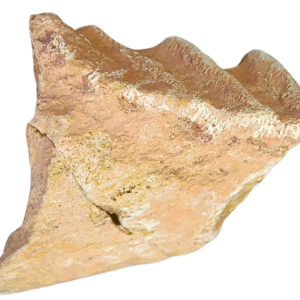
Ceratodus Cretaceous Lungfish Tooth for Sale from Morocco #20
$20.00 -
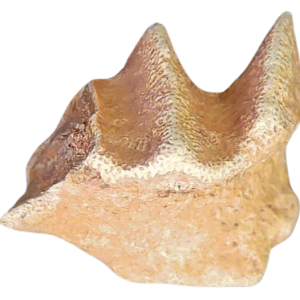
Ceratodus Cretaceous Lungfish Tooth for Sale from Morocco #21
$15.00 -
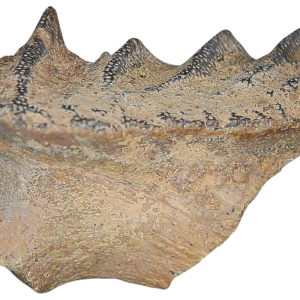
Ceratodus Cretaceous Lungfish Tooth for Sale from Morocco #22
$65.00 -
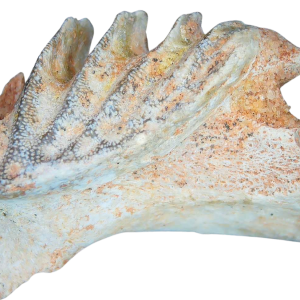
Ceratodus Cretaceous Lungfish Tooth for Sale from Morocco #23
$65.00 -
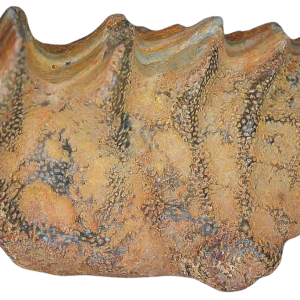
Ceratodus Cretaceous Lungfish Tooth for Sale from Morocco #24
$65.00 -
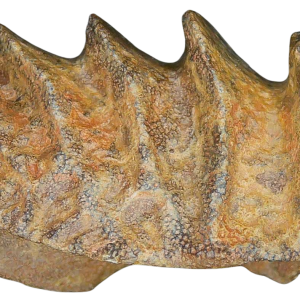
Ceratodus Cretaceous Lungfish Tooth for Sale from Morocco #25
$65.00 -
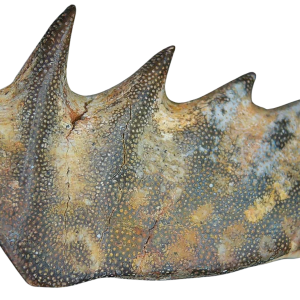
Ceratodus Cretaceous Lungfish Tooth for Sale from Morocco #26
$65.00 -
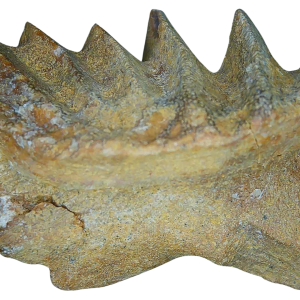
Ceratodus Cretaceous Lungfish Tooth for Sale from Morocco #27
$65.00 -
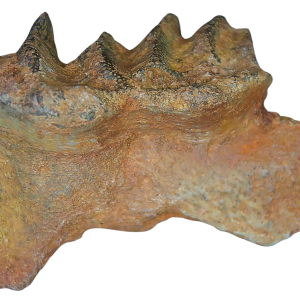
Ceratodus Cretaceous Lungfish Tooth for Sale from Morocco #28
$65.00 -
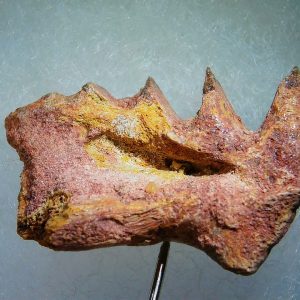
Cretaceous Lungfish Tooth (Ceratodus) #10
$65.00 -
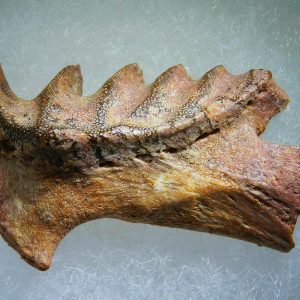
Cretaceous Lungfish Tooth (Ceratodus) #11
$65.00 -
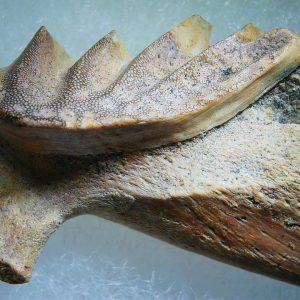
Cretaceous Lungfish Tooth (Ceratodus) #15
$65.00 -
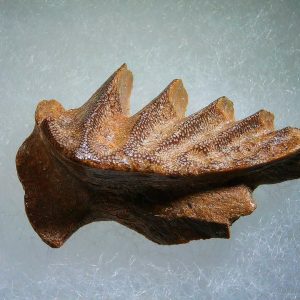
Cretaceous Lungfish Tooth (Ceratodus) #7
$65.00 -
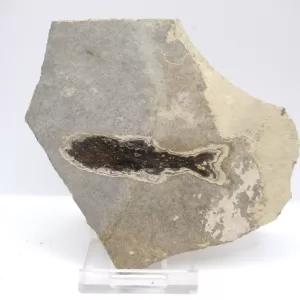
Dapalis macrurus Fish Fossil #13
$55.00 -
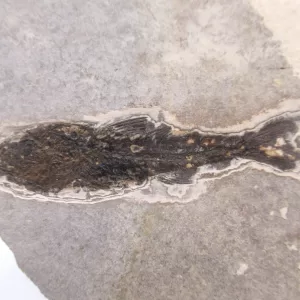
Dapalis macrurus Fish Fossil #14
$55.00 -
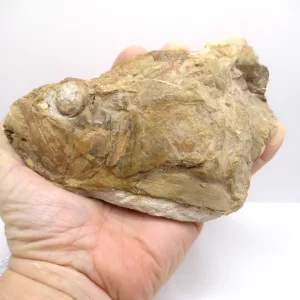
Fossil Fish Skull Goulmimichthys #1
$295.00 -
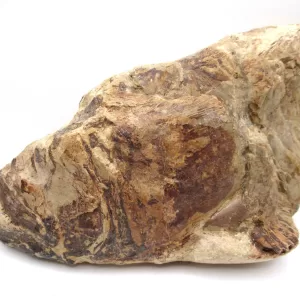
Fossil Fish Skull Goulmimichthys #2
$595.00 -
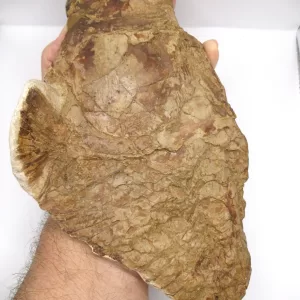
Fossil Fish Skull Goulmimichthys #3
$450.00 -
Sold out!
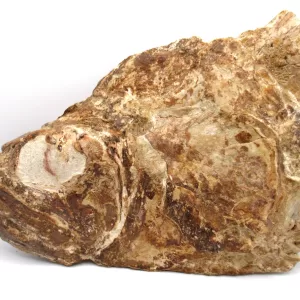
Fossil Fish Skull Goulmimichthys #4
$645.00 -
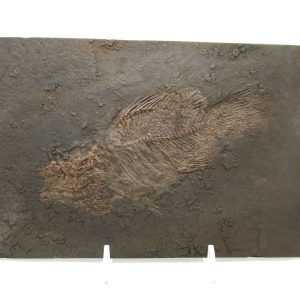
German Eocene Messel Fish #2
$595.00 -
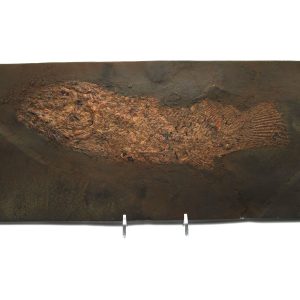
German Eocene Messel Fish #4
$595.00 -
Sold out!
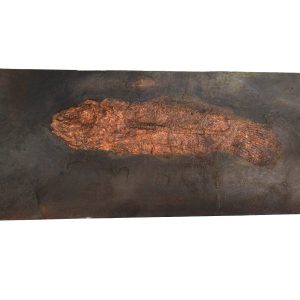
German Eocene Messel Fish #5
$795.00 -
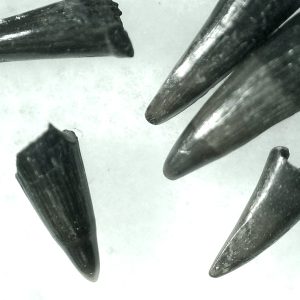
Lepisosteus Fossil Gar Teeth
Price range: $2.00 through $2.50 -

Morocco Stephanodus Fish Teeth #1
$95.00 -

Morocco Stephanodus Fish Teeth #10
$145.00 -

Morocco Stephanodus Fish Teeth #2
$95.00 -

Morocco Stephanodus Fish Teeth #3
$95.00 -

Morocco Stephanodus Fish Teeth #4
$95.00 -

Morocco Stephanodus Fish Teeth #6
$95.00 -

Morocco Stephanodus Fish Teeth #7
$95.00 -

Morocco Stephanodus Fish Teeth #9
$125.00 -

New Mexico Carboniferous Amphicentrum Fish #1
$795.00 -
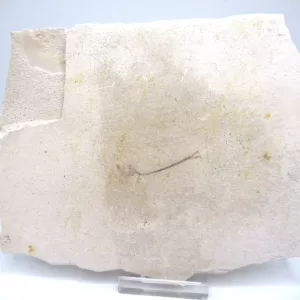
Orthogonikleithrus Fish Fossil #1
$95.00 -
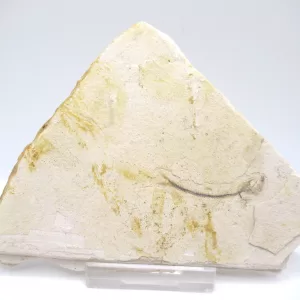
Orthogonikleithrus Fish Fossil #2
$115.00 -
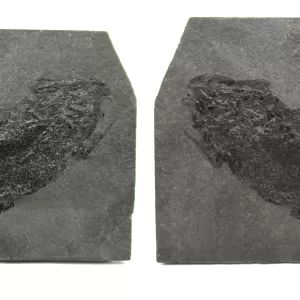
Palaeoniscum Fish Fossils for Sale #1
$1,495.00 -
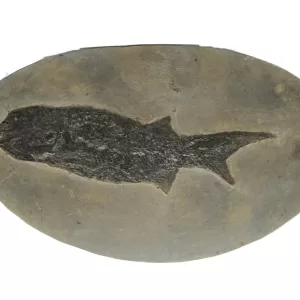
Paramblypterus Fish Fossils for Sale #1
$495.00 -
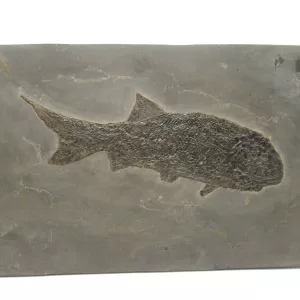
Paramblypterus Fish Fossils for Sale #2
$495.00
- Buy Fossils
- Fossils for Sale
- Large Selection
- Great Prices and Great Selection
- Authenticity Guaranteed
- Satisfaction Guaranteed
- Your TRUSTED SOURCE for over 25 years!
- Many more videos are available on our YouTube Channel.
Fish Fossils for Sale: Ancient Windows Into Earth’s Evolutionary Past
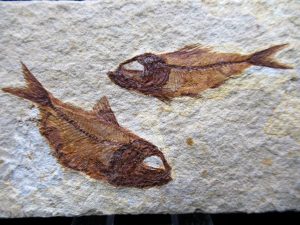
Fish Fossils give collectors, educators, and fossil enthusiasts an opportunity to own genuine evidence of prehistoric aquatic life. Fossil fish also provide important scientific clues about more than 500 million years of vertebrate evolution. From early jawless vertebrates to armored predators and the ancestors of modern fishes, these fossils document major changes in life throughout Earth’s history.
In addition, fossil fish help scientists study ancient oceans, lakes, climates, ecosystems, and extinction events. Therefore, authentic specimens provide both educational value and a fascinating connection to Earth’s prehistoric past.
Why Fish Fossils Are Scientifically Important
When considering Fish Fossils for Sale, it helps to understand why these specimens are important to paleontology. Scientists study fossil fish because they document several major stages in vertebrate evolution. Bones, teeth, scales, armor, and fins can reveal how different groups lived and changed through geologic time.
What Fish Fossils Reveal About Prehistoric Life
- Fossil fish document some of the earliest known vertebrates.
- They record major evolutionary developments, including the origin and diversification of jaws.
- Lobe-finned fish help document the evolutionary history leading toward tetrapods.
- Fish fossils provide evidence about ancient climates, ecosystems, biodiversity, and mass extinctions.
Furthermore, researchers use fossil fish to reconstruct prehistoric aquatic environments and track changes in biodiversity. New discoveries can also refine our understanding of vertebrate evolutionary relationships.
Fossil Fish and the Evolution of Fish
Early Fossil Fish and Cambrian Origins
The early history of vertebrates reaches back to the Cambrian Period. Haikouichthys represents an early fish-like vertebrate, while Pikaia was an early chordate rather than a true fish. These animals possessed features associated with the chordate body plan, including a notochord.
Therefore, Cambrian fossils provide important clues about the early evolutionary history that eventually produced vertebrates and later fish groups.
Jawless Fish Fossils and Early Vertebrates
Early jawless vertebrates included many extinct groups, some of which developed heavy external armor. Many armored jawless forms have traditionally been called ostracoderms.
Although jawless vertebrates originated earlier, they became especially diverse during the Silurian and Devonian periods. These fossils help paleontologists investigate early vertebrate skeletons, sensory systems, and feeding strategies.
Devonian Fish Fossils – The Age of Fishes
The Devonian Period, approximately 419 to 359 million years ago, is commonly called the Age of Fishes. During this period, numerous groups of jawed vertebrates diversified dramatically in both marine and freshwater environments.
- Placoderms: Armored jawed fishes that included large predators such as Dunkleosteus.
- Acanthodians: Extinct spiny jawed fishes traditionally nicknamed “spiny sharks.”
- Lobe-finned fishes: Sarcopterygians include the evolutionary lineage from which tetrapods developed.
- Ray-finned fishes: Actinopterygians eventually became the most diverse lineage of living fishes.
Consequently, Devonian fish fossils provide critical evidence for understanding the evolution and diversification of major vertebrate groups.
Lobe-Finned and Ray-Finned Fish
Lobe-finned fish have fleshy fins supported by internal bones. This group is especially important because tetrapods evolved from within the lobe-finned vertebrate lineage. In contrast, ray-finned fish possess fins primarily supported by slender bony rays. Today, ray-finned fishes represent the overwhelming majority of living fish diversity.
Fish Fossils and the Rise of Modern Fish
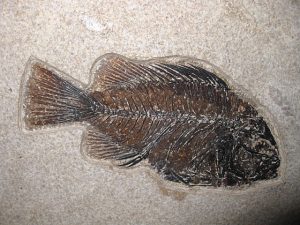
During the Mesozoic and Cenozoic eras, many groups related to modern fish continued to diversify. Teleosts, which comprise the great majority of living bony fish species, underwent major evolutionary radiations.
Many Fish Fossils for Sale today come from exceptional fossil deposits that preserved remarkably complete specimens. The famous Green River Formation of Wyoming, Colorado, and Utah contains abundant Eocene fish fossils with beautifully preserved scales, fins, bones, and other anatomical details.
How Fish Fossils Form
Most dead fish never become fossils. Scavengers, bacteria, water movement, and natural decay normally destroy or scatter their remains. Therefore, special environmental conditions greatly improve the chances of fossil preservation.
Rapid Burial and Fish Fossil Preservation
Rapid burial by sediment can protect fish remains from scavengers and physical disturbance. Fine sediment may quickly cover remains on lake floors or seafloors. In addition, low-oxygen conditions can slow decomposition and improve preservation.
Mineralization of Fish Fossils
During fossilization, groundwater carrying dissolved minerals can move through buried remains. Minerals may fill microscopic spaces within bones or replace some original material. The exact process varies according to the chemistry of the sediment, groundwater, and surrounding rock.
Compression Fish Fossils
Many fossil fish occur as flattened skeletons, compressions, or impressions in fine-grained sedimentary rocks. Under exceptional conditions, these fossils can preserve delicate structures such as scales, fins, and traces of soft tissues.
Fish Fossils From Famous Fossil Locations
Fish Fossils for Sale can originate from sedimentary deposits formed in ancient marine and freshwater environments around the world. Several locations are especially famous because of their abundance, diversity, or exceptional preservation.
Green River Fish Fossils – USA
The Green River Formation of Wyoming, Colorado, and Utah is one of North America’s most famous sources of fossil fish. These Eocene lake deposits contain abundant specimens and provide an extraordinary record of ancient freshwater ecosystems.
Mazon Creek Fish Fossils – Illinois
Mazon Creek is famous for Carboniferous fossils preserved within ironstone concretions. Although plants and soft-bodied organisms are especially well known from the site, Mazon Creek has also produced important fish remains.
Gogo Formation Fish Fossils – Australia
Western Australia’s Gogo Formation is internationally important for exceptionally preserved Devonian fish. Many specimens retain three-dimensional anatomy, while remarkable discoveries have provided evidence of soft tissues and reproductive biology.
Solnhofen Fish Fossils – Germany
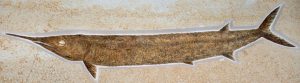
The Solnhofen Limestone of Bavaria, Germany, preserves an exceptional Late Jurassic ecosystem. Fine-grained limestone preserved fish and many other organisms in remarkable detail. These deposits are also famous for specimens of Archaeopteryx.
What Fish Fossils Teach Us
Fish Fossils, Anatomy, and Evolution
Fish fossils reveal major developments in jaws, teeth, fins, armor, and skeletal anatomy. Moreover, some specimens preserve combinations of features that help scientists investigate the evolutionary history connecting aquatic vertebrates with the earliest four-limbed tetrapods.
Fish Fossils, Behavior, and Diet
Exceptionally preserved fish fossils can provide evidence about prehistoric behavior and diet. For example, stomach contents, bite marks, coprolites, and fossil assemblages offer clues about feeding relationships, predator-prey interactions, and ancient aquatic communities.
Fish Fossils, Climate, and Ancient Environments
Fish fossils can also help researchers reconstruct ancient environments. Species associations, surrounding sediments, geological context, and chemical signatures preserved in mineralized tissues may provide evidence about water conditions, temperature, ecology, and environmental change.
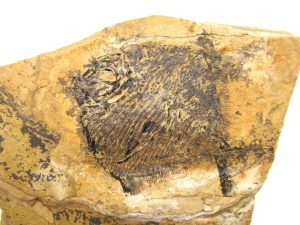
Fish Fossil Identification
Accurate fish fossil identification may require examination of the skull, jaws, teeth, fins, scales, vertebrae, body shape, and other anatomical features. Geological age and collection locality are also extremely important. Because unrelated prehistoric fish sometimes developed similar body shapes, identification based only on overall appearance can be unreliable.
Choosing Authentic Fish Fossils for Sale
When considering Fish Fossils for Sale, authenticity, identification, geological age, locality, and preparation are important factors. A genuine specimen with reliable identification information provides a more meaningful addition to a fossil collection, educational display, or natural history collection.
Collectors should also consider the amount of original fossil material present, overall preservation, restoration, preparation quality, rarity, species, and provenance when evaluating a specimen.
Fossils for Sale at Prehistoric Fossils
Prehistoric Fossils has supplied genuine fossils and natural history specimens to collectors, educators, and enthusiasts since 1997. We understand that authenticity and accurate information are important when purchasing prehistoric specimens. Therefore, our fossils are Authenticity Guaranteed and include identification information when applicable.
Explore our Fish Fossils for Sale and discover genuine prehistoric fish fossils for collecting, education, gifts, and natural history displays.
“`