
Echinoderm Fossils For Sale | Crinoids, Starfish & Echinoids
Echinoderm Fossils For Sale – Ancient Life from Prehistoric Seas
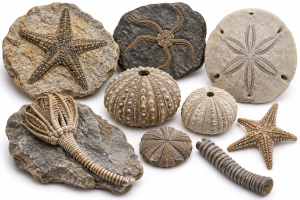
Echinoderm Fossils For Sale offer collectors and fossil enthusiasts a fascinating record of marine life stretching back more than 500 million years. Echinoderms include starfish, brittle stars, sea urchins, crinoids, and their extinct relatives. Today, their living descendants still inhabit oceans throughout the world.
Ancient Echinoderm Fossils from the Paleozoic Era
During the Cambrian Period, early echinoderms began to diversify in ancient seas. Later, crinoids became especially abundant during the Paleozoic Era. Their bodies contained many small calcite plates. Therefore, these hard skeletal parts often entered the fossil record. Crinoid stem pieces are especially common in some ancient limestone deposits.
Fossil Sea Urchins, Starfish and Brittle Stars
In addition, fossil sea urchins, also called echinoids, provide important clues about prehistoric marine environments. Their tests, or shells, may preserve distinctive patterns and fine details. Meanwhile, starfish and brittle stars had delicate skeletons that often separated after death. As a result, complete fossils of these animals can be much less common.
Why Echinoderm Fossils Are Important
Furthermore, paleontologists use echinoderm fossils to study ancient oceans, evolution, and changing ecosystems. Some species also help scientists compare the ages of sedimentary rocks. For example, these fossils can provide evidence about ancient marine environments and changing ocean conditions.
Collecting Echinoderm Fossils For Sale
Today, Echinoderm Fossils For Sale remain popular with collectors, educators, museums, and anyone interested in prehistoric marine life. Crinoids, fossil sea urchins, starfish, and brittle stars each provide a unique look into Earth’s ancient oceans.
Showing 851–900 of 949 results
-
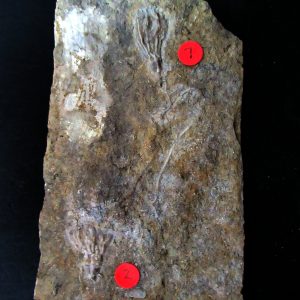
Gilmore City Iowa Crinoid #177
$45.00 -
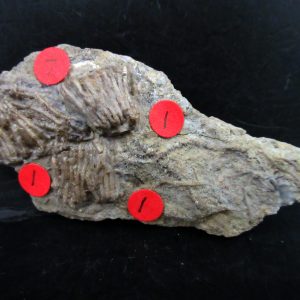
Gilmore City Iowa Crinoid #179
$45.00 -
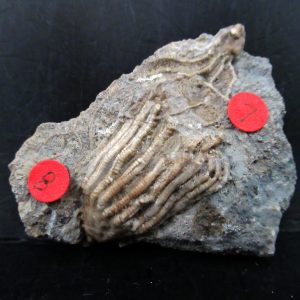
Gilmore City Iowa Crinoid #180
$45.00 -
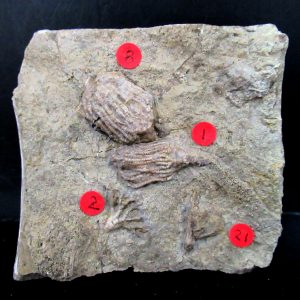
Gilmore City Iowa Crinoid #187
$45.00 -
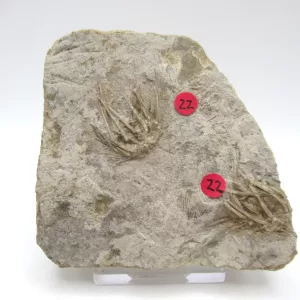
Gilmore City Iowa Echinoid 23
$40.00 -
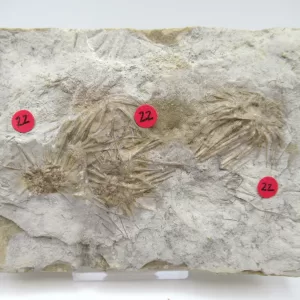
Gilmore City Iowa Echinoid 24
$70.00 -
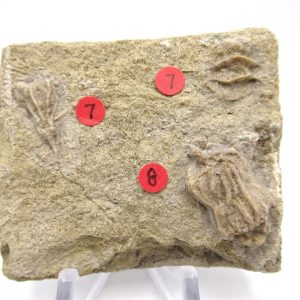
Gilmore City Iowa Crinoid #93
$60.00 -
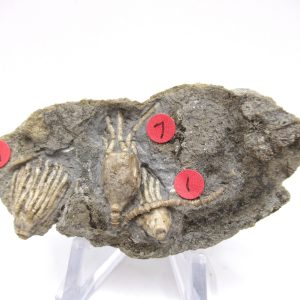
Gilmore City Iowa Crinoid #94
$60.00 -

Gilmore City Iowa Crinoid #96
$60.00 -

Gilmore City Iowa Crinoid #98
$70.00 -

Gilmore City Iowa Crinoid #99
$70.00 -
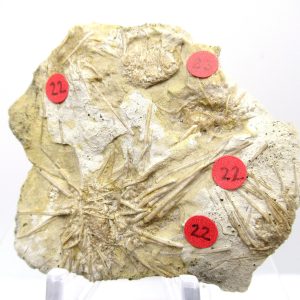
Gilmore City Echinoid #17
$65.00 -
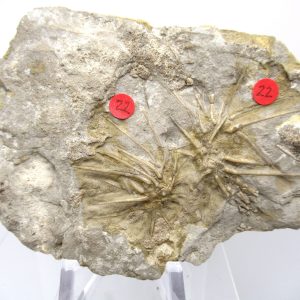
Gilmore City Echinoid #20
$65.00 -

Gilmore City Echinoid #22
$110.00 -
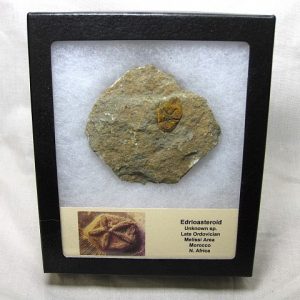
North Africa Edrioasteroid #1
$55.00 -
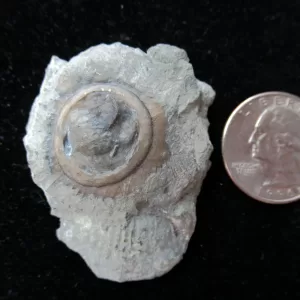
Ohio Isorophus Edrioasteroid #1
$30.00 -
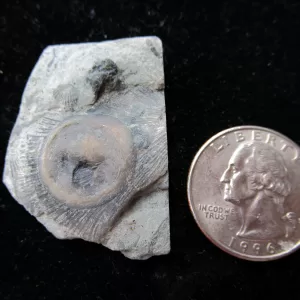
Ohio Isorophus Edrioasteroid #10
$30.00 -
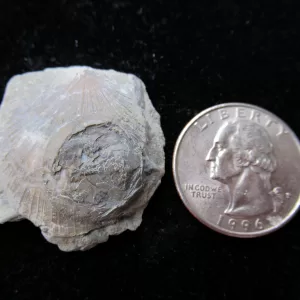
Ohio Isorophus Edrioasteroid #11
$20.00 -
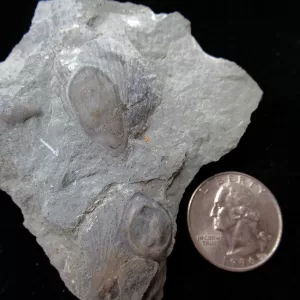
Ohio Isorophus Edrioasteroid #12
$20.00 -
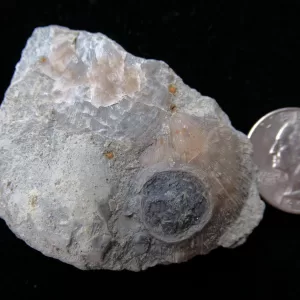
Ohio Isorophus Edrioasteroid #3
$30.00 -
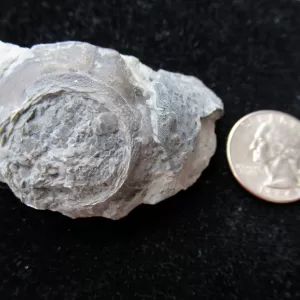
Ohio Isorophus Edrioasteroid #4
$25.00 -
Sold out!
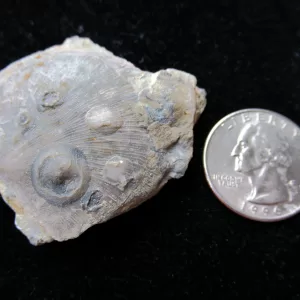
Ohio Isorophus Edrioasteroid #6
$30.00 -
Sold out!
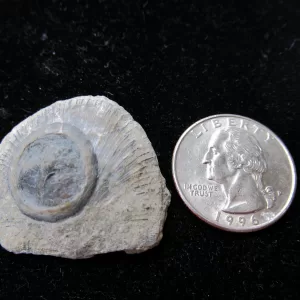
Ohio Isorophus Edrioasteroid #7
$30.00 -
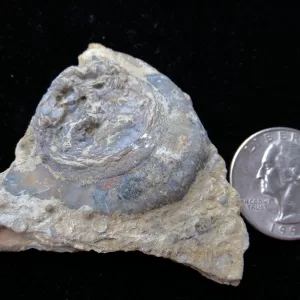
Ohio Isorophus Edrioasteroid #8
$20.00 -
Sold out!
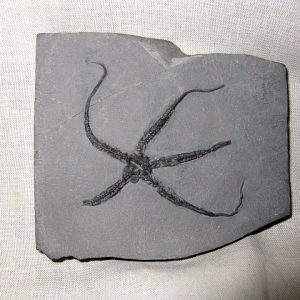
Protaster Brittle Star #1
$435.00 -
Sold out!

Australia Lovenia Echinoid #1
$20.00 -

Australia Lovenia Echinoid #10
$20.00 -
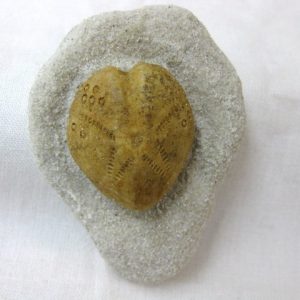
Australia Lovenia Echinoid #11
$20.00 -
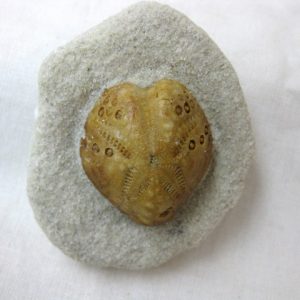
Australia Lovenia Echinoid #12
$20.00 -
Sold out!
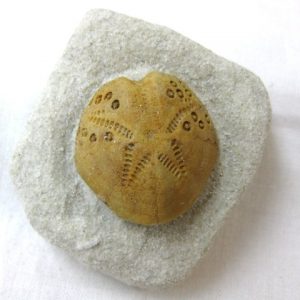
Australia Lovenia Echinoid #13
$20.00 -
Sold out!

Australia Lovenia Echinoid #14
$20.00 -

Australia Lovenia Echinoid #15
$20.00 -
Sold out!

Australia Lovenia Echinoid #18
$20.00 -
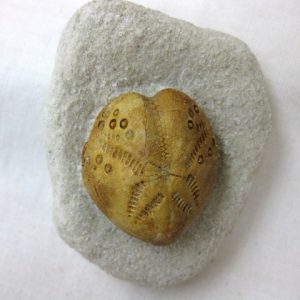
Australia Lovenia Echinoid #19
$20.00 -
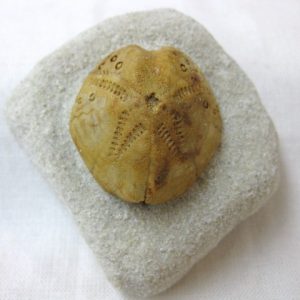
Australia Lovenia Echinoid #2
$20.00 -

Australia Lovenia Echinoid #20
$20.00 -
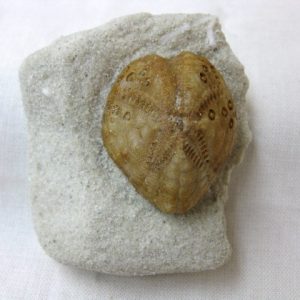
Australia Lovenia Echinoid #3
$20.00 -
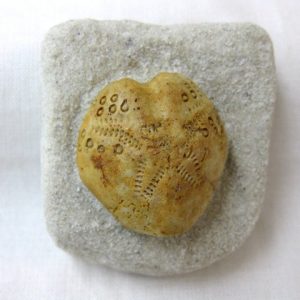
Australia Lovenia Echinoid #4
$20.00 -
Sold out!

Australia Lovenia Echinoid #5
$20.00 -
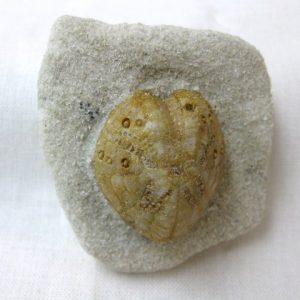
Australia Lovenia Echinoid #6
$20.00 -

Australia Lovenia Echinoid #7
$20.00 -
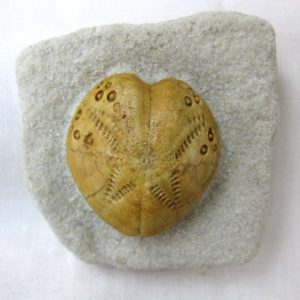
Australia Lovenia Echinoid #8
$20.00 -
Sold out!
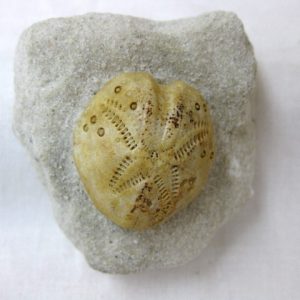
Australia Lovenia Echinoid #9
$20.00 -
Sold out!

California Echinarachinus Echinoid #2
$27.50 -
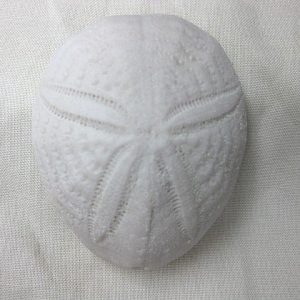
Florida Eupatagus antillarium Echinoid #11
$15.00 -
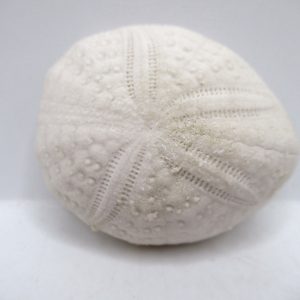
Florida Eupatagus Echinoid #22
$15.00 -
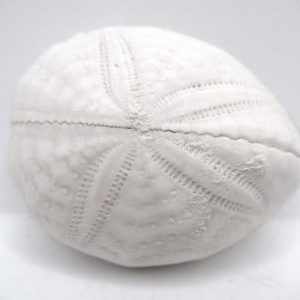
Florida Eupatagus Echinoid #23
$15.00 -
Sold out!
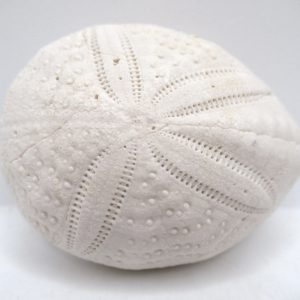
Florida Eupatagus Echinoid #24
$15.00 -
Sold out!
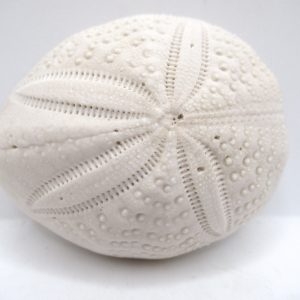
Florida Eupatagus Echinoid #25
$15.00 -
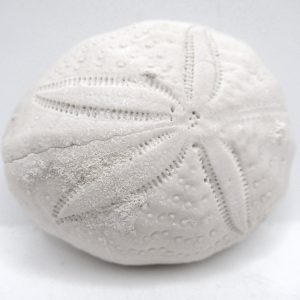
Florida Eupatagus Echinoid #26
$15.00
- Buy Fossils
- Fossils for Sale
- Large Selection
- Great Prices and Great Selection
- Authenticity Guaranteed
- Satisfaction Guaranteed
- Your TRUSTED SOURCE for over 25 years!
- Many more videos are available on our YouTube Channel.
Echinoderm Fossils For Sale – Origin, Evolution, and Paleontological Significance
Echinoderm Fossils For Sale provide collectors, educators, and paleontology enthusiasts with a remarkable look into the history of ancient marine life. Echinoderms—including crinoids, starfish, brittle stars, sea urchins, blastoids, and cystoids—have an extensive fossil record that documents hundreds of millions of years of evolutionary change.
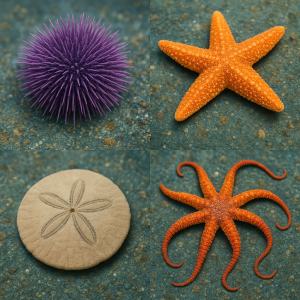
Today, many echinoderms display distinctive five-part radial symmetry. However, their ancient relatives showed far greater variation in body form. Therefore, fossil echinoderms help paleontologists study ancient ecosystems, evolutionary adaptation, biomineralization, and major extinction events.
What Are Echinoderms?
Echinoderms belong to the phylum Echinodermata, a group of exclusively marine animals. For example, living representatives include sea stars, brittle stars, sea urchins, sand dollars, sea cucumbers, and crinoids.
Key Characteristics of Echinoderms
- Pentameral symmetry: Many adult echinoderms display a five-part body arrangement.
- Water vascular system: This unique hydraulic system helps with movement, feeding, and respiration.
- Calcium carbonate endoskeleton: Internal skeletal plates called ossicles form much of the body framework.
- Tube feet: These flexible structures assist with movement, feeding, attachment, and gas exchange.
Although these characteristics occur in living echinoderms, fossil groups were considerably more diverse. In particular, Paleozoic seas contained many extinct forms that reveal important stages in echinoderm evolution.
Evolutionary History of Echinoderm Fossils
Cambrian Origins of Echinoderms
Echinoderms first appeared during the Cambrian Period more than 500 million years ago. At first, early forms displayed unusual body plans and often lacked the highly organized five-part symmetry seen in many later echinoderms.
For example, early groups included ctenocystoids, helicoplacoids, and solute-grade echinoderms. Consequently, these fossils provide evidence of extensive evolutionary experimentation during and after the Cambrian Explosion.
Ordovician Radiation
Later, during the Ordovician Period, echinoderms underwent a major increase in diversity. Crinoids, cystoids, and other groups became increasingly common in marine ecosystems. As a result, echinoderms became important components of Paleozoic seafloor communities.
Devonian and Carboniferous Echinoderms
During the later Paleozoic, crinoids became especially abundant. In some environments, dense communities created large accumulations of skeletal debris. Over time, these remains contributed to limestone deposits rich in crinoid stem fragments and other skeletal material.
Meanwhile, blastoids also became widespread and diverse, particularly during the Mississippian and Pennsylvanian portions of the Carboniferous Period. Therefore, fossils from these periods often provide excellent evidence of rich marine communities.
Permian Mass Extinction
Eventually, the end-Permian mass extinction, about 252 million years ago, caused enormous losses among marine organisms. Numerous echinoderm groups disappeared, including blastoids, while many other lineages suffered severe reductions.
However, surviving echinoderm groups later diversified during the Mesozoic Era. Today, their descendants continue to inhabit oceans around the world.
Major Types of Echinoderm Fossils
Echinoderm Fossils For Sale
Crinoid Fossils – Ancient Sea Lilies
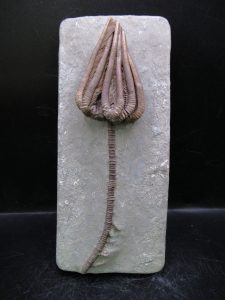
Crinoids rank among the most recognizable echinoderm fossils. Typically, many species possessed a cup-shaped body called a calyx, feathery feeding arms, and a segmented stem composed of individual columnals.
- A calyx containing the main body
- A stem made from stacked columnals
- Numerous branching feeding arms
Because crinoid stems often disarticulated after death, isolated columnals are extremely common in some Paleozoic rocks. For this reason, popular fossil searches include crinoid stem fossils, crinoid columnals, and sea lily fossils.
Echinoid Fossils – Sea Urchins and Sand Dollars
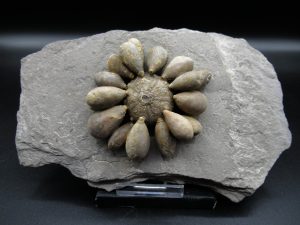
Echinoids include sea urchins, sand dollars, and closely related forms. In addition, their rigid skeletal shells, called tests, consist of interlocking calcium carbonate plates.
Fortunately, fossil echinoids often preserve distinctive ambulacral patterns, tubercles, and overall symmetry. Furthermore, they occur commonly in many Mesozoic and Cenozoic marine deposits.
As a result, collectors frequently search for fossil sea urchins, fossil sand dollars, and echinoid fossils for sale.
Starfish Fossils – Asteroidea
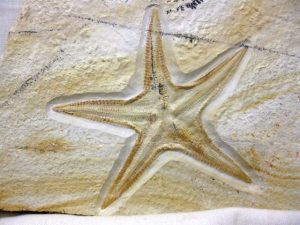
Starfish fossils are less common than many crinoid or echinoid remains because their skeletons consist of numerous individual ossicles. After death, these pieces can quickly separate.
Therefore, complete fossil starfish generally require rapid burial and favorable preservation conditions. For example, exceptional deposits, including the Solnhofen Limestone of Germany, have preserved highly detailed specimens.
Blastoids
Echinoderm Fossils For Sale
Blastoids were extinct stalked echinoderms with distinctive bud-shaped or nut-like calyces. Although they lived throughout much of the Paleozoic Era, they became especially abundant during the Carboniferous Period.
In addition, their calyces commonly display five petal-like ambulacral areas. Consequently, complete blastoid fossils are popular with collectors because their symmetry and skeletal structure are easy to recognize.
Cystoid Fossils
Cystoids were an extinct and highly diverse group of Paleozoic echinoderms. In particular, they were important members of many Ordovician marine communities.
Unlike many modern echinoderms, cystoids often possessed irregular or asymmetrical calyces. In addition, their skeletal plates may display specialized pore systems associated with respiration.
Paleoecology – How Fossil Echinoderms Lived
Crinoid Ecology
- Many attached themselves to the sea floor.
- They used feathery arms to capture suspended food particles.
- In addition, some formed dense communities sometimes described as crinoid meadows or forests.
Echinoid Ecology
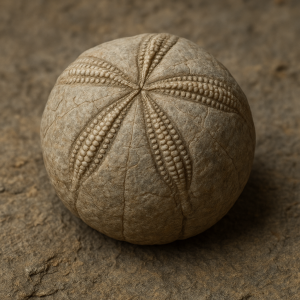
- Many grazed on algae or consumed organic material.
- Furthermore, species adapted to both hard and soft seafloor environments.
- Eventually, some forms evolved specialized burrowing lifestyles.
Blastoid and Cystoid Ecology
Blastoids were suspension feeders that captured small food particles from the water. Likewise, many cystoids lived attached to the sea floor and fed on suspended organic material.
Because these groups occupied different positions within marine communities, their fossils help paleontologists reconstruct ancient seafloor conditions, water movement, sediment types, and food webs.
Why Echinoderm Fossils Are Important to Paleontology
Evidence of Echinoderm Evolution
Echinoderm fossils document major changes in symmetry, skeletal structure, feeding strategies, and ecological adaptations. Therefore, they provide valuable evidence for studying the long-term evolution of marine invertebrates.
Ancient Marine Environments
In addition, assemblages of fossil echinoderms can provide clues about ancient water depth, substrate conditions, energy levels, and marine habitats. Furthermore, changes in echinoderm communities can reveal major environmental shifts through geological time.
Mass Extinctions and Evolutionary Radiations
The extensive echinoderm fossil record helps scientists examine evolutionary radiations and major extinction events. For example, some groups survived severe biological crises, while others disappeared completely.
As a result, echinoderms offer important evidence for understanding how marine ecosystems responded to long-term environmental change.
How to Identify Echinoderm Fossils
Identifying Crinoid Fossils
- Disc-shaped or cylindrical columnals
- Round, star-shaped, or flower-like central openings
- Segmented stems
- In rare cases, branching arms in exceptionally preserved specimens
Identifying Echinoid Fossils
- Round, oval, heart-shaped, or flattened tests
- Distinctive five-part ambulacral patterns
- Rows of small pores
- In addition, tubercles where spines originally attached
Identifying Blastoid Fossils
- Bud-shaped or nut-like calyx
- Strong five-fold symmetry
- Distinctive petal-like ambulacral areas
Identifying Starfish Fossils
- Central disc with radiating arms
- Typically five arms, although the number may vary
- Numerous small skeletal ossicles
Echinoderm Fossils For Sale for Collectors and Education
Echinoderm Fossils For Sale range from common crinoid stem fragments to rare complete crinoids, starfish, blastoids, and well-preserved echinoids. Because of their scientific interest, distinctive shapes, and wide range of geological ages, these fossils remain popular with collectors, educators, museums, and students.
When selecting a specimen, consider its geological age, species identification, locality, preservation, completeness, and preparation. Furthermore, accurate provenance and identification can significantly increase both the educational and collecting value of a specimen.
Buy Genuine Echinoderm Fossils With Confidence
Prehistoric Fossils offers genuine Echinoderm Fossils For Sale, including crinoids, sea urchins, starfish, blastoids, and other examples of ancient marine life. Ultimately, these fossils provide a direct connection to oceans and marine ecosystems that existed millions of years before humans appeared.
Buy Fossils at Prehistoric Fossils with Confidence. Your Trusted Source Since 1997. Authenticity Guaranteed.
“`