
Dinosaur Models For Sale | Realistic Prehistoric Collectibles
Dinosaur Models For Sale: Bringing Prehistoric Life into View
Dinosaur Models For Sale help collectors, teachers, and children explore animals that disappeared millions of years ago. Although no person ever saw a living non-avian dinosaur, scientists can reconstruct its form from fossil evidence. For example, bones reveal body size, posture, and movement. Teeth provide clues about diet, while fossil trackways can show walking speed and group behavior.
Scientifically Accurate Dinosaur Models
Modern dinosaur models often reflect new scientific discoveries. In the past, artists commonly showed dinosaurs dragging their tails. However, trackways rarely contain tail-drag marks. Therefore, most current models hold the tail above the ground for balance. In addition, many theropod models now feature feathers because fossils preserve feather impressions from several related species.
How Scientists Reconstruct Dinosaur Colors
Nevertheless, every model includes some uncertainty. Fossils rarely preserve an animal’s exact color. As a result, artists often use patterns seen on modern birds, reptiles, and mammals. Occasionally, microscopic pigment structures called melanosomes provide stronger evidence. Scientists have studied them to suggest colors for a few feathered dinosaurs.
Choosing Collectible Dinosaur Models
Dinosaur Models For Sale range from small educational figures to full-size museum displays. Some models focus on accurate anatomy, while others favor dramatic poses. Therefore, collectors should compare each figure with current skeletal reconstructions. Correct proportions, natural limb positions, and reliable scientific sources often indicate a better-quality model.
Dinosaur Models for Education and Display
Finally, dinosaur models make paleontology easier to understand. Children can compare species, teachers can explain adaptations, and collectors can create displays of ancient ecosystems. Moreover, a well-designed model turns scattered fossil evidence into a clear three-dimensional form. Although future discoveries may change some details, scientifically informed Dinosaur Models For Sale provide an engaging connection to Earth’s prehistoric past.
Showing 101–150 of 201 resultsSorted by latest
-
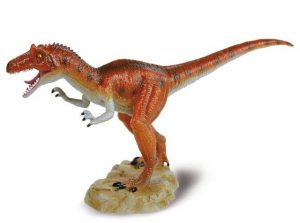
CL1570K Dr. Steve Hunters Eustreptospondylus Model
$9.99 -

CL1555K Dr. Steve Hunters Euoplocephalus Model
$9.99 -
Sold out!

CL1595K Dr. Steve Hunters Edmontosaurus Model
$9.99 -
Sold out!

CL1569K Dr. Steve Hunters Dromaeosaurus Model
$9.99 -

CL1556K Dr. Steve Hunters Diplodocus Model
$11.99 -
Sold out!

CL1594K Dr. Steve Hunters Dilong Model
$9.99 -

CL1567K Dr. Steve Hunters Deinonychus Model
$9.99 -

CL1566K Dr. Steve Cryolophosaurus Model
$9.99 -

CL1551K Dr. Steve Hunters Corythosaurus Model
$9.99 -

CL1592K Dr. Steve Hunters Concavenator Model
$9.99 -

CL1590K Dr. Steve Hunters Compsognathus Model
$9.99 -

CL1591K Dr. Steve Hunters Coelophysis Model
$9.99 -

CL1588K Dr. Steve Hunters Camarasaurus Model
$9.99 -

CL1562K Dr. Steve Baryonyx Model
$9.99 -

CL1561K Dr. Steve Hunters Apatosaurus Model
$11.99 -

CL1560K Dr. Steve Hunters Amargasaurus Model
$11.99 -

CL1583K Dr. Steve Hunters Albertosaurus Model
$9.99 -

CL1558K Dr. Steve Hunters Acrocanthosaurus Model
$9.99 -
Sold out!

Schleich Dinosaur Set With Cave
$59.99 -
Sold out!

Schleich Feathered Raptors Set
$24.99 -

Schleich Juvenile Therizinosaurus
$19.99 -

Schleich Allosaurus
$19.99 -
Sold out!

Schleich Herrerasaurus
$19.99 -

Schleich Velociraptor
$12.79 -

Schleich Green T-Rex
$24.99 -

Schleich Red T-Rex
$24.99 -

Schleich Spinosaurus
$24.99 -

Schleich Carnotaurus
$19.99 -

Schleich Giganotosaurus
$24.99 -

Schleich Diabloceratops
$12.99 -

Schleich Juvenile T-Rex
$19.99 -

Schleich Utahraptor
$13.99 -

Schleich Dilophosaurus
$19.99 -

Schleich Dimetrodon
$11.99 -

Schleich Tawa
$7.99 -

Schleich Therizinosaurus
$19.99 -

Schleich Triceratops
$19.99 -

Schleich Acrocanthosaurus
$19.99 -

Papo Young Woolly Mammoth
$7.99 -

Papo Walrus
$9.99 -

Papo Velociraptor
$14.99 -

Papo Tylosaurus
$14.99 -

Papo Young Triceratops
$12.99 -

Papo Styracosaurus
$14.99 -

Papo Spinosaurus
$35.99 -

Papo Loggerhead Sea Turtle
$6.99 -

Papo Sawfish
$8.99 -

Papo Polacanthus
$11.99 -

Papo Plesiosaurus
$14.99 -

Papo Octopus
$14.99
Dinosaur Models For Sale: A Scientific Guide for Collectors
Dinosaur Models For Sale give collectors an exciting way to explore prehistoric life. Unlike genuine fossils, models recreate complete animals, including features that rarely survive fossilization. Therefore, collectors can study body shape, posture, skin texture, and possible colors. In addition, a well-planned collection can show how dinosaurs changed throughout the Mesozoic Era.
Scientific Accuracy in Collectible Dinosaur Models
Paleontologists use bones, teeth, footprints, skin impressions, and feather traces to reconstruct dinosaurs. Then, scientific illustrators and model makers turn this evidence into three-dimensional figures. However, the fossil record remains incomplete. As a result, some details require careful interpretation and may change when scientists discover new evidence.
Accurate dinosaur models should reflect current paleontological research. For example, scientists know that many theropod dinosaurs carried feathers or feather-like coverings. Velociraptor had feathers, while adult Tyrannosaurus rex had scales on several known areas of its body. However, researchers still debate whether feathers covered other areas. Moreover, dinosaur legs stood beneath the body instead of spreading outward like those of many modern lizards.
Likewise, tail position matters. Most active dinosaurs held their tails above the ground for balance. Therefore, older figures with dragging tails often represent outdated ideas. Hand position also provides an important clue. Many theropods faced their palms inward rather than holding them flat toward the ground.
Choosing Dinosaur Models for a Collection
First, decide what type of collection you want to build. Some collectors focus on one dinosaur group, such as tyrannosaurs, ceratopsians, hadrosaurs, or sauropods. Others choose animals from a single formation or geologic period. For instance, a Late Jurassic collection might include Allosaurus, Stegosaurus, and Apatosaurus.
Next, compare each figure with museum skeletal mounts, scientific illustrations, and recent paleontology research. In addition, examine the skull, hands, feet, spine, and tail. These features often reveal whether the manufacturer followed modern evidence. Although artistic color choices remain speculative for most species, anatomy should match known fossils whenever possible.
Understanding Scale and Model Materials
Scale affects how dinosaur figures appear together. Common scales include 1:20, 1:35, and 1:40. However, manufacturers do not always follow the stated scale precisely. Consequently, collectors should compare a model’s measurements with reliable size estimates for the living animal.
Manufacturers commonly make dinosaur models from PVC, resin, vinyl, or other plastics. PVC figures usually withstand regular handling well. Resin models, meanwhile, can provide sharper details, but they may break more easily. Hand-painted figures may also show small differences in color and finish.
Inspecting and Caring for Dinosaur Models
Before selecting Dinosaur Models For Sale, inspect each figure for bent limbs, weak joints, paint damage, or assembly problems. Furthermore, check its balance and base. Large two-legged dinosaurs can lean over time when manufacturers use soft materials in the legs.
Display models away from direct sunlight because ultraviolet light can fade paint and weaken some plastics. Similarly, avoid extreme heat, which may bend tails or legs. Dust each model gently with a soft brush. If deeper cleaning becomes necessary, use a lightly damp cloth and avoid harsh chemicals.
Finally, keep the original packaging, labels, and purchase records for limited or retired figures. These materials help document the manufacturer, series, date, and scale. More importantly, record major scientific updates. Dinosaur reconstructions change as paleontologists uncover new fossils. Therefore, collecting dinosaur models creates an educational display and a visual record of how scientific knowledge develops.