
Dinosaur Fossils for Sale
Dinosaur Fossils for Sale. Dinosaurs were a diverse group of reptiles in the clade Dinosauria. Buy Dinosaur Fossils at Prehistoric Fossils
They first appeared 243 million years ago during the Triassic Period. They were also present in the Jurassic and Cretaceous Periods and became extinct 66 Million Years ago during the Cretaceous-Paleogene Extinction Event.
The first fossils to be recognized as dinosaur fossils were discovered in 1841 by Sir Richard Owen who named them “dinosaurs” meaning “terrible lizards”.
Dinosaur fossils have been found on every continent on our planet. Dinosaur Fossils consist of dinosaur claws, dinosaur teeth, dinosaur bones, dinosaur eggs and in rare instances even dinosaur skin has been found.
The majority of dinosaur fossils for sale come from the United States and North Africa.
Showing 1–50 of 1219 results
-
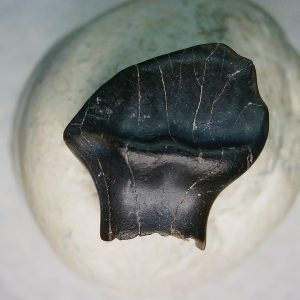
Ankylosaurus Armored Dinosaur Tooth Fossil for Sale 75
$295.00 -
Sold out!
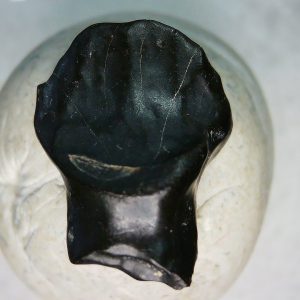
Ankylosaurus Armored Dinosaur Tooth Fossil for Sale 76
$295.00 -
Sold out!
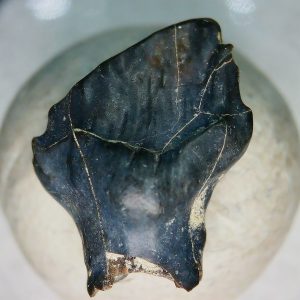
Ankylosaurus Armored Dinosaur Tooth Fossil for Sale 77
$295.00 -
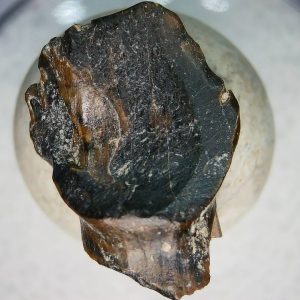
Ankylosaurus Armored Dinosaur Tooth Fossil for Sale 78
$295.00 -
Sold out!
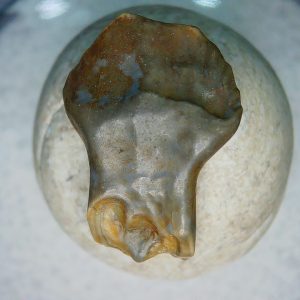
Ankylosaurus Armored Dinosaur Tooth Fossil for Sale 79
$295.00 -
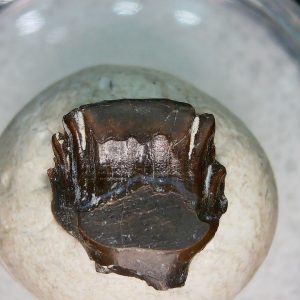
Ankylosaurus Armored Dinosaur Tooth Fossil for Sale 80
$295.00 -
Sold out!
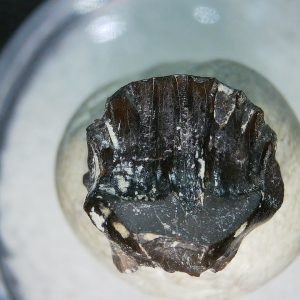
Ankylosaurus Armored Dinosaur Tooth Fossil for Sale 81
$295.00 -
Sold out!
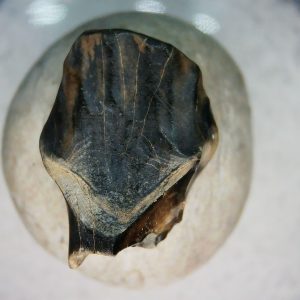
Ankylosaurus Armored Dinosaur Tooth Fossil for Sale 82
$295.00 -
Sold out!
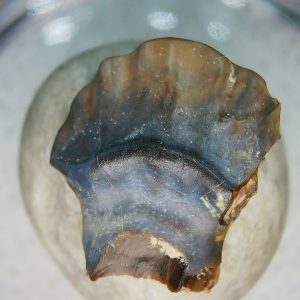
Ankylosaurus Armored Dinosaur Tooth Fossil for Sale 83
$295.00 -
Sold out!
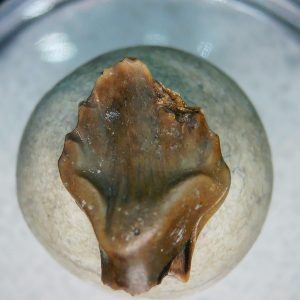
Ankylosaurus Armored Dinosaur Tooth Fossil for Sale 84
$295.00 -
Sold out!
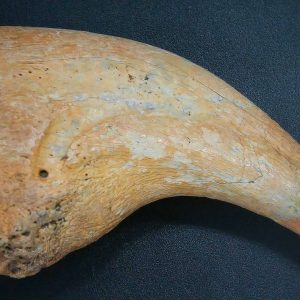
Anzu wyliei Dinosaur Claw #1
$4,500.00 -

Archaeodontosaurus Sauropod Dinosaur Claw Fossil for Sale #1
$1,200.00 -
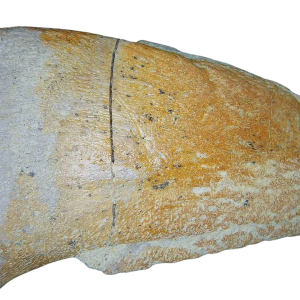
Archaeodontosaurus Sauropod Dinosaur Claw Fossil for Sale #2
$995.00 -

Archaeodontosaurus Sauropod Dinosaur Claw Fossil for Sale #3
$1,295.00 -
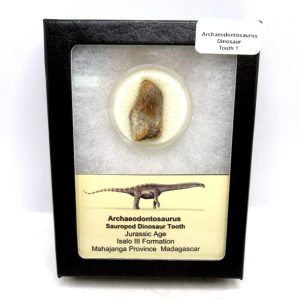
Archaeodontosaurus Sauropod Dinosaur Tooth Fossil for Sale #1
$225.00 -
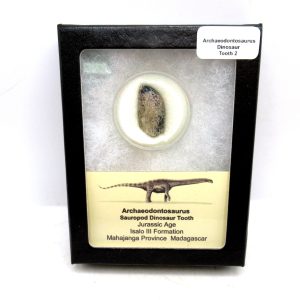
Archaeodontosaurus Sauropod Dinosaur Tooth Fossil for Sale #2
$225.00 -
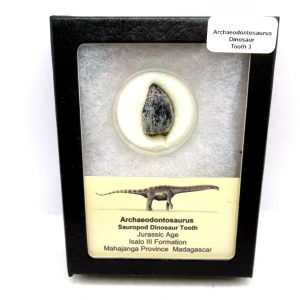
Archaeodontosaurus Sauropod Dinosaur Tooth Fossil for Sale #3
$225.00 -
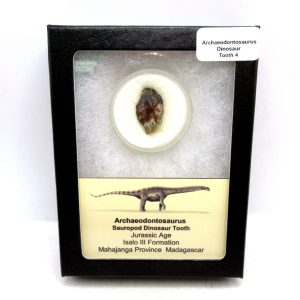
Archaeodontosaurus Sauropod Dinosaur Tooth Fossil for Sale #4
$175.00 -
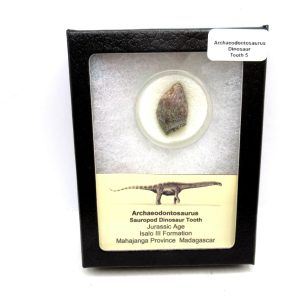
Archaeodontosaurus Sauropod Dinosaur Tooth Fossil for Sale #5
$225.00 -
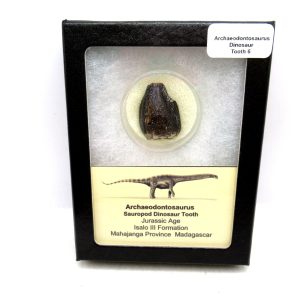
Archaeodontosaurus Sauropod Dinosaur Tooth Fossil for Sale #6
$175.00 -
Sold out!
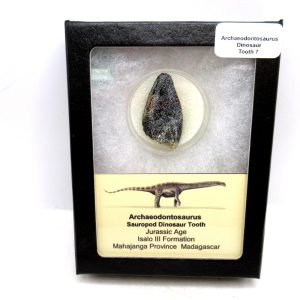
Archaeodontosaurus Sauropod Dinosaur Tooth Fossil for Sale #7
$185.00 -
Sold out!
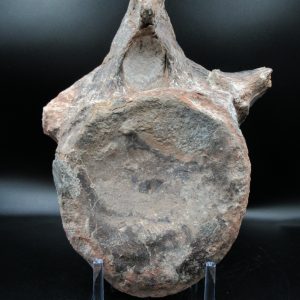
Atlasaurus Sauropod Vertebra #1
$1,550.00 -
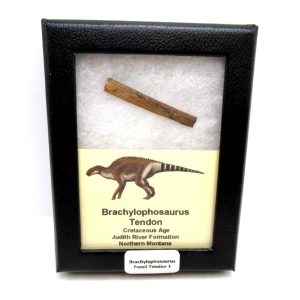
Brachylophosaurus Dinosaur Fossilized Tendon #1
$35.00 -
Sold out!
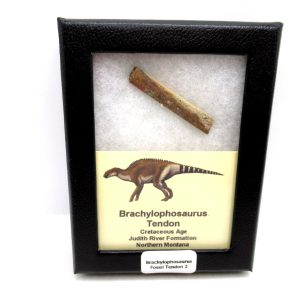
Brachylophosaurus Dinosaur Fossilized Tendon #2
$35.00 -
Sold out!
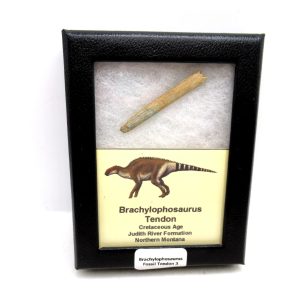
Brachylophosaurus Dinosaur Fossilized Tendon #3
$35.00 -
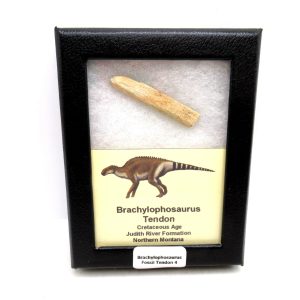
Brachylophosaurus Dinosaur Fossilized Tendon #4
$35.00 -
Sold out!
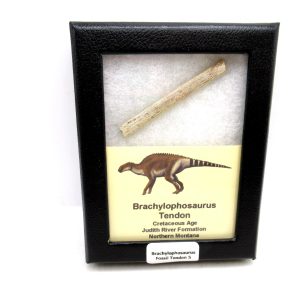
Brachylophosaurus Dinosaur Fossilized Tendon #5
$45.00 -
Sold out!
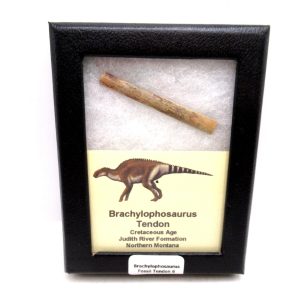
Brachylophosaurus Dinosaur Fossilized Tendon #6
$35.00 -
Sold out!
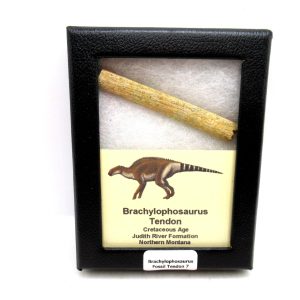
Brachylophosaurus Dinosaur Fossilized Tendon #7
$65.00 -
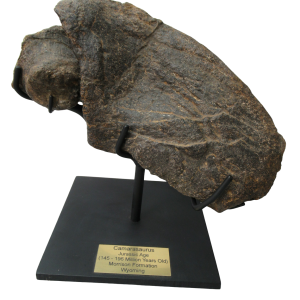
Camarasaurus Jurassic Sauropod Dinosaur Digit & Claw
$6,995.00 -
Sold out!

Coelophysis Triassic Dinosaur Tooth for Sale #60
$45.00 -
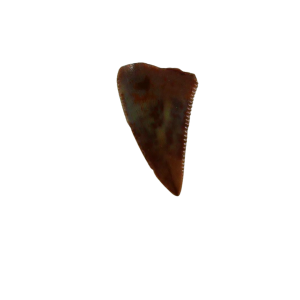
Coelophysis Triassic Dinosaur Tooth for Sale #61
$45.00 -

Coelophysis Triassic Dinosaur Tooth for Sale #62
$45.00 -

Coelophysis Triassic Dinosaur Tooth for Sale #63
$45.00 -
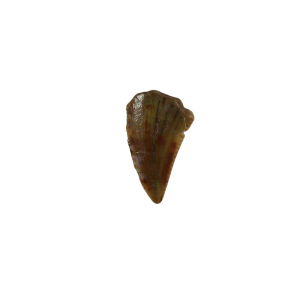
Coelophysis Triassic Dinosaur Tooth for Sale #64
$45.00 -

Coelophysis Triassic Dinosaur Tooth for Sale #65
$45.00 -

Coelophysis Triassic Dinosaur Tooth for Sale #66
$45.00 -
Sold out!
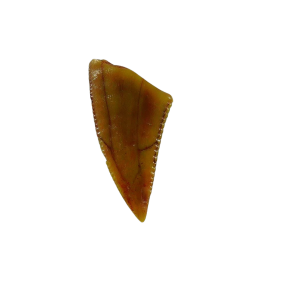
Coelophysis Triassic Dinosaur Tooth for Sale #67
$45.00 -
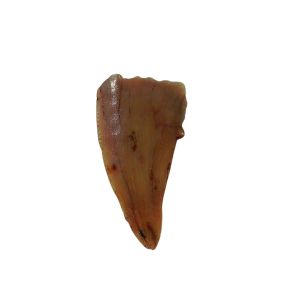
Coelophysis Triassic Dinosaur Tooth for Sale #68
$45.00 -
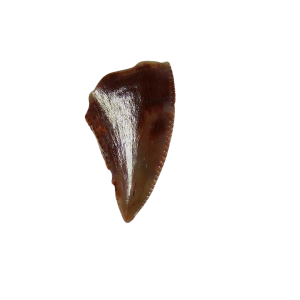
Coelophysis Triassic Dinosaur Tooth for Sale #69
$45.00 -
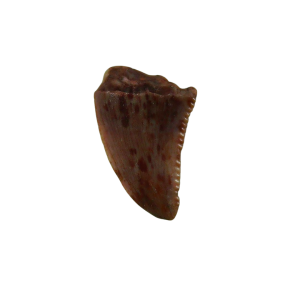
Coelophysis Triassic Dinosaur Tooth for Sale #70
$45.00 -

Coelophysis Triassic Dinosaur Tooth for Sale #71
$45.00 -
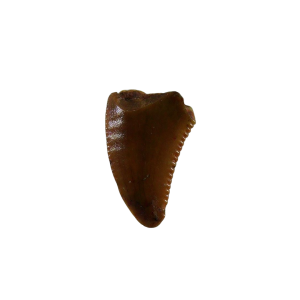
Coelophysis Triassic Dinosaur Tooth for Sale #72
$45.00 -
Sold out!
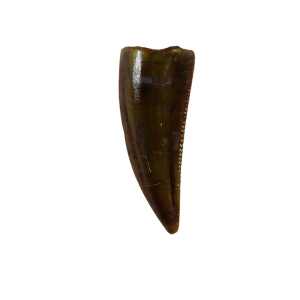
Coelophysis Triassic Dinosaur Tooth for Sale #73
$45.00 -

Coelophysis Triassic Dinosaur Tooth for Sale #74
$45.00 -
Sold out!
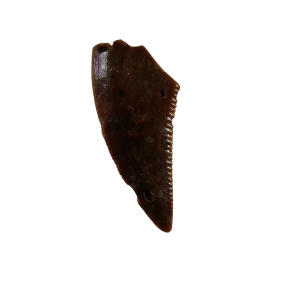
Coelophysis Triassic Dinosaur Tooth for Sale #75
$45.00 -
Sold out!
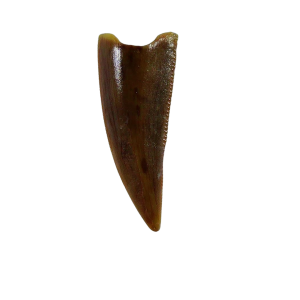
Coelophysis Triassic Dinosaur Tooth for Sale #76
$45.00 -
Sold out!

Coelophysis Triassic Dinosaur Tooth for Sale #77
$45.00 -
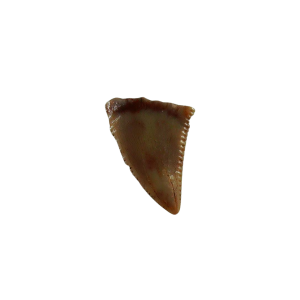
Coelophysis Triassic Dinosaur Tooth for Sale #78
$45.00 -
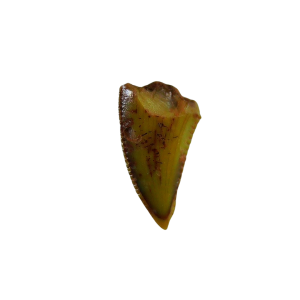
Coelophysis Triassic Dinosaur Tooth for Sale #79
$45.00
- Buy Fossils
- Fossils for Sale
- Large Selection
- Great Prices and Great Selection
- Authenticity Guaranteed
- Satisfaction Guaranteed
- Your TRUSTED SOURCE for over 25 years!
- Many more videos are available on our YouTube Channel.
The Science of Dinosaur Fossils: How Paleontologists Decode Earth’s Ancient History
Introduction
Dinosaur fossils are among the most valuable scientific resources for understanding Earth’s biological and geological past. These preserved remains—ranging from teeth and bones to footprints and soft-tissue impressions—allow scientists to reconstruct ecosystems that existed more than 66 million years ago. As paleontology continues to evolve with new technologies such as CT scanning and isotopic analysis, our interpretations of ancient life become increasingly accurate and data-driven.
This article provides a scientifically supported, expert-level, SEO-optimized overview of how dinosaur fossils form, how they are studied, and what they reveal about prehistoric environments.
What Are Dinosaur Fossils?
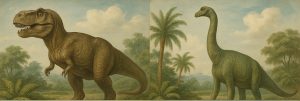
Fossils are any preserved evidence of ancient life. In the case of dinosaurs, fossils include:
- Body fossils: bones, teeth, claws, eggs, skin impressions, feathers
- Trace fossils: footprints, burrows, nests, gastroliths (stomach stones)
- Chemical fossils: preserved biomolecules, proteins, or isotopic signatures
Body fossils help scientists understand anatomy and evolution, while trace fossils reveal dinosaur behavior, diet, and movement patterns.
How Dinosaur Fossils Form: The Process of Fossilization
Fossilization is rare; less than 1% of all organisms ever fossilize. Dinosaur fossils typically form through permineralization, a process involving:
- Rapid Burial
Dinosaurs that die near river deltas, floodplains, or ash-covered environments are more likely to be rapidly buried by sediment. This protects remains from scavengers and weathering.
- Mineral Replacement
Groundwater rich in silica, calcite, or iron infiltrates bone pores. Over millions of years, these minerals replace organic material, creating a rock-solid fossil.
- Geological Uplift & Exposure
Tectonic movements or erosion gradually bring fossils back to the surface, where paleontologists may discover them.
Where Dinosaur Fossils Are Found
The most famous fossil-rich formations include:
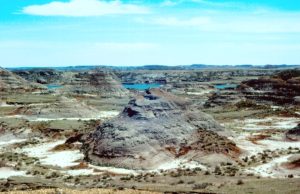
- Hell Creek Formation (USA): T. rex, Triceratops
- Morrison Formation (USA): Stegosaurus, Allosaurus
- Gobi Desert (Mongolia): Velociraptor, Protoceratops
- Patagonia (Argentina): Giganotosaurus, Argentinosaurus
These areas were once fertile floodplains, river networks, and deserts—perfect conditions for preserving dinosaur remains.
Modern Paleontology: How Scientists Study Fossils
Advances in technology have transformed fossil research. Today’s methods include:
- CT & Micro-CT Scanning
These imaging tools reveal internal structures without damaging the fossil. Scientists can visualize:
- Brain cavities
- Inner ear canals
- Bone vascularity
- Growth lines
- 3D Modeling & Digital Reconstruction

High-resolution scans help recreate skeletal structure and estimate muscle mass, posture, and locomotion.
- Stable Isotope Analysis
Isotopic signatures in fossilized teeth or bones reveal:
- Diet (carnivore vs. herbivore)
- Climate conditions
- Migration patterns
- Histology
Thin slices of fossil bone show growth rings similar to trees, helping determine age, health, and growth rate.
What Dinosaur Fossils Reveal About Ancient Life
- Behavior & Social Structure
Trackways indicate whether dinosaurs traveled in herds, hunted cooperatively, or migrated seasonally. Nesting sites show parental care in species like Maiasaura.
- Evolution & Anatomy
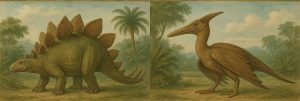
Feathered fossils discovered in China demonstrate that many theropods were feathered, redefining the dinosaur–bird evolutionary link.
- Climate & Environment
Plant fossils found alongside dinosaur remains help reconstruct ecosystems—lush Jurassic forests, arid Cretaceous plains, and volcanic landscapes.
- The Cretaceous–Paleogene Extinction
Iridium-rich clay layers and shocked quartz provide evidence of the asteroid impact that ended the age of dinosaurs 66 million years ago.
The Importance of Dinosaur Fossils Today
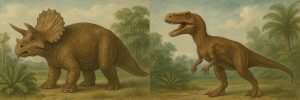
Dinosaur fossils remain scientifically vital because they:
- Illuminate macroevolution across 165 million years
- Explain how ecosystems respond to climate shifts
- Provide insights into mass extinctions
- Inspire new STEM research and technology development
They bridge Earth’s geological history with modern biology and environmental science.
Conclusion
Dinosaur fossils remain one of science’s most powerful windows into Earth’s distant past. By combining geology, biology, chemistry, and cutting-edge imaging technology, paleontologists can reconstruct prehistoric worlds with increasing accuracy. As new fossils continue to be uncovered, our understanding of dinosaurs—how they lived, evolved, and died—continues to grow.