
Dinosaur Bone Fossils For Sale – Genuine Dinosaur Bones
Dinosaur Bone Fossils For Sale: Evidence of Prehistoric Life
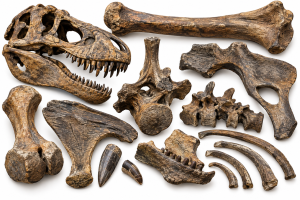
Dinosaur Bone Fossils For Sale give collectors, educators, and fossil enthusiasts a direct connection to animals that lived during the Mesozoic Era. Dinosaurs first appeared more than 230 million years ago and survived until the end of the Cretaceous Period, about 66 million years ago. Today, scientists study dinosaur bone fossils to learn about anatomy, growth, movement, evolution, and ancient environments.
How Dinosaur Bone Fossils Form
When a dinosaur died, sediment sometimes covered its bones quickly. As a result, burial helped protect the remains from weather, scavengers, and decay. Over time, groundwater carried dissolved minerals through tiny spaces in the bone. These minerals could fill pores or replace some original material. Consequently, the bone became mineralized while often keeping much of its original internal structure.
Where Dinosaur Bone Fossils Are Found
Dinosaur Bone Fossils For Sale may originate from important sedimentary rock formations around the world. For example, major dinosaur discoveries come from the Morrison Formation and Hell Creek Formation of the western United States. Likewise, important fossils occur in Canada, Mongolia, China, Argentina, Africa, and Europe.
How Scientists Identify Dinosaur Bones
Scientists identify many dinosaur bones by studying their shape, size, texture, and position within the skeleton. For instance, vertebrae, ribs, limb bones, and skull fragments each have distinctive features. However, isolated or heavily worn fragments can be difficult to identify to a specific dinosaur genus or species.
What Dinosaur Bone Fossils Reveal
Dinosaur bone fossils also preserve valuable clues about prehistoric life. For example, microscopic growth patterns inside bones can help scientists study dinosaur age and growth rates. In addition, injuries, healed fractures, and unusual bone growth may provide evidence of trauma or disease.
Collecting Dinosaur Bone Fossils
Therefore, Dinosaur Bone Fossils For Sale represent much more than prehistoric curiosities. Genuine specimens preserve valuable scientific information while offering collectors a tangible piece of natural history. Each dinosaur bone fossil can help tell part of the story of dinosaur biology, evolution, and the ancient environments these remarkable animals once inhabited.
Showing all 2 resultsSorted by latest
Dinosaur Bone Fossils For Sale: Collecting Genuine Dinosaur Fossils
Dinosaur Bone Fossils For Sale give collectors a direct connection to animals that lived millions of years ago. Genuine dinosaur bones can also provide useful information about dinosaur anatomy, growth, and ancient environments. However, collectors should understand how dinosaur bones fossilize, how experts identify them, and why legal origin and documentation matter when buying specimens.
What Are Dinosaur Bone Fossils?
Dinosaur bones commonly fossilize through a process called permineralization. After a dinosaur dies, sediment may quickly cover its remains. Then, groundwater carrying dissolved minerals moves through tiny spaces inside the buried bone. Over time, these minerals fill pores and help preserve the internal structure.
Therefore, genuine dinosaur bone is more than a rock that resembles bone. Well-preserved fossils may still show recognizable features such as vascular canals, porous internal tissue, and dense outer bone surfaces. Because preservation varies greatly, collectors should consider both physical features and geological information when examining Dinosaur Bone Fossils For Sale.
Popular Dinosaur Bone Fossils for Collectors
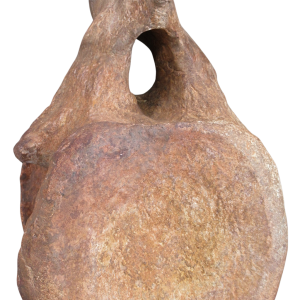
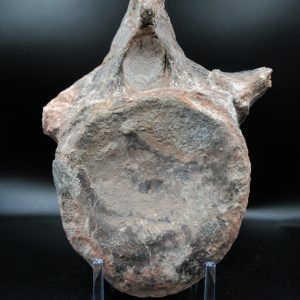
Collectors can find several types of dinosaur bone fossils. For example, fossil dealers may offer pieces of ribs, vertebrae, limb bones, and unidentified bone fragments. Dinosaur teeth are also popular collectibles, although teeth have a different biological structure from bones.
Small bone fragments often provide an affordable starting point for new collectors. In contrast, complete or highly diagnostic bones may be much rarer and more valuable. In addition, specimens with reliable locality, formation, and geological age information usually have greater scientific and educational value.
Where Do Collectible Dinosaur Bones Come From?
Many legally collected dinosaur fossils available in the United States come from private land, especially in western states. Important dinosaur-bearing rock units include the Late Jurassic Morrison Formation and Late Cretaceous formations such as the Hell Creek Formation.
However, fossil collecting laws depend on land ownership and location. In the United States, vertebrate fossils on federal land generally require permits or other authorization for collection. Therefore, buyers searching for Dinosaur Bone Fossils For Sale should choose reputable sellers who can provide reasonable information about a specimen’s legal origin.
International fossil laws also vary. Consequently, responsible collectors should consider ownership history, export requirements, and available documentation when purchasing dinosaur fossils from other countries.
How to Identify Genuine Dinosaur Bone Fossils
First, examine the specimen’s surface and internal texture. Genuine fossil bone may display natural pores, mineral-filled channels, irregular internal structures, and areas of dense outer bone. However, appearance alone cannot always identify a fossil as dinosaur bone because bones from other ancient vertebrates may look similar.
For this reason, geological context is extremely important. Locality, rock formation, and geological age can help support an identification. A knowledgeable fossil dealer should identify a specimen only as precisely as the available evidence allows. For example, an isolated fragment may clearly represent dinosaur bone while lacking enough diagnostic features to identify the exact dinosaur genus or species.
Restoration and Fossil Preparation
Collectors should also ask about preparation and restoration. Fossil preparators often use stabilizers or adhesives to strengthen fragile bone, and proper stabilization can protect a specimen for many years. However, extensive reconstruction can affect both scientific and collector value.
Therefore, reputable sellers should disclose significant restoration when known. This transparency helps buyers make informed decisions when comparing Dinosaur Bone Fossils For Sale.
How to Build a Dinosaur Bone Fossil Collection
A meaningful dinosaur fossil collection does not require enormous museum-quality bones. Instead, collectors can build an educational collection with representative specimens from different dinosaurs, geological formations, and time periods.
Most importantly, keep identification labels and provenance information with every specimen. Whenever possible, record the fossil’s locality, geological formation, age, identification, and purchase source. These details preserve important scientific context and can increase the educational value of the fossil.
Buy Dinosaur Bone Fossils With Confidence
Ultimately, collecting dinosaur bone fossils combines science, natural history, and discovery. Genuine fossils can provide a tangible link to Earth’s prehistoric past. Therefore, collectors should focus on specimens that are legally obtained, accurately described, and properly documented.
When comparing Dinosaur Bone Fossils For Sale, look for clear identification, geological information, honest restoration disclosures, and a seller with experience handling genuine fossils. Careful collecting helps preserve these remarkable pieces of prehistoric history for education, study, and future generations.