
Cystoid Fossils For Sale | Genuine Prehistoric Echinoderm Fossils
Cystoid Fossils For Sale – Ancient Echinoderms of Paleozoic Seas
Cystoid Fossils For Sale offer collectors a fascinating look at unusual marine animals that lived hundreds of millions of years ago. Cystoids were extinct echinoderms related to crinoids, blastoids, starfish, and sea urchins. They first appeared during the Ordovician Period and became especially diverse in Paleozoic seas. However, cystoids disappeared completely by the end of the Permian Period.
What Did Fossil Cystoids Look Like?
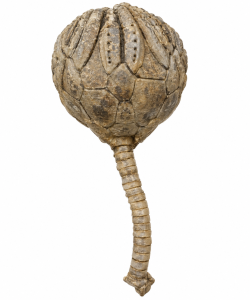
Cystoids usually had a rounded or egg-shaped body called a theca. Numerous small calcite plates formed this protective structure. In addition, many species possessed a stem that attached the animal to the sea floor. Other cystoids rested directly on the bottom.
Most importantly, cystoids had distinctive pore structures in their skeletal plates. These pores probably helped with respiration. Therefore, paleontologists often study their arrangement to identify and classify different cystoid groups.
How Did Cystoids Live?
Like many other echinoderms, cystoids lived in marine environments. They used small feeding structures called brachioles to collect tiny food particles from the surrounding water. Consequently, they likely fed on plankton and suspended organic material.
Collecting Cystoid Fossils
Today, collectors searching for Cystoid Fossils For Sale often value specimens for their unusual shapes, detailed plates, and scientific importance. Complete cystoid fossils can be much less common than isolated plates or fragments. Moreover, specimens that preserve the theca, stem, or delicate feeding structures can make impressive display fossils.
Why Cystoid Fossils Are Scientifically Important
Finally, Cystoid Fossils For Sale also provide an opportunity to study an important group of extinct Paleozoic echinoderms. Their fossils help scientists reconstruct ancient marine ecosystems and understand changes in biodiversity, evolution, and ocean environments. As a result, fossil cystoids remain interesting specimens for paleontologists, educators, and fossil collectors.
Showing 1–50 of 97 results
-

Ectenocrinus simplex – Indiana Crinoid #7
$175.00 -

Crawfordsville Crinoid #27
$15.00 -

Crawfordsville Crinoid #36
$10.00 -

Crawfordsville Crinoid #38
$30.00 -
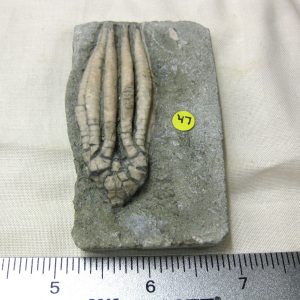
Crawfordsville Crinoid #49
$70.00 -
Indiana Crawfordsville Crinoid #73
$10.00 -
Indiana Crawfordsville Crinoid #75
$23.00 -
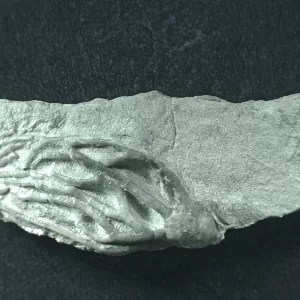
Indiana Crawfordsville Crinoid #77
$25.00 -
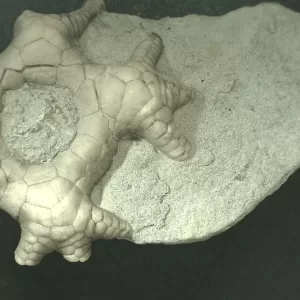
Indiana Crawfordsville Crinoid #86
$50.00 -
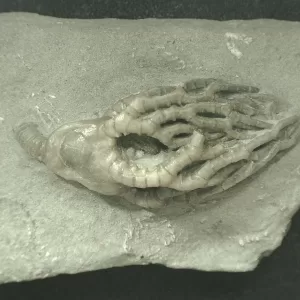
Indiana Crawfordsville Crinoid #89
$96.00 -
Indiana Crawfordsville Crinoid #91
$96.00 -
Sold out!
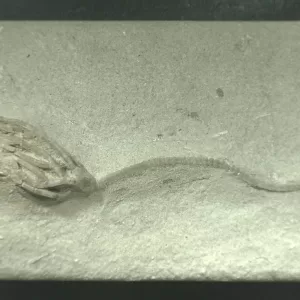
Indiana Crawfordsville Crinoid #92
$96.00 -
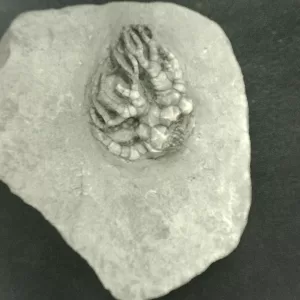
Indiana Crawfordsville Crinoid #93
$96.00 -
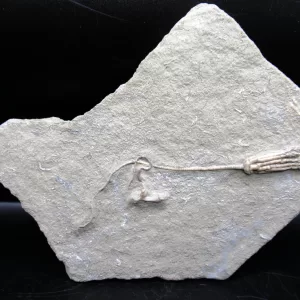
Indiana Crawfordsville Crinoid #97
$196.00 -
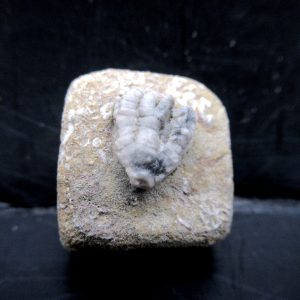
Crawfordsville Crinoid – Indiana #122
$12.00 -
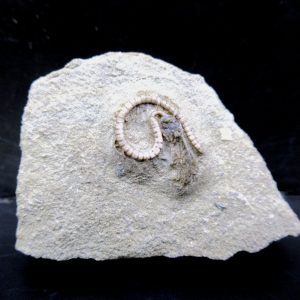
Crawfordsville Crinoid – Indiana #123
$24.00 -
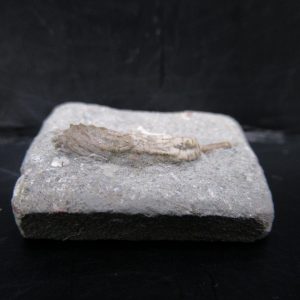
Crawfordsville Crinoid – Indiana #124
$32.00 -
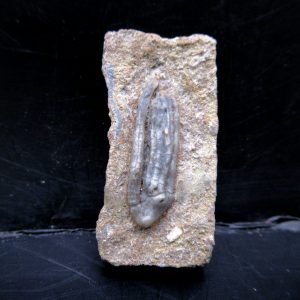
Crawfordsville Crinoid – Indiana #125
$36.00 -
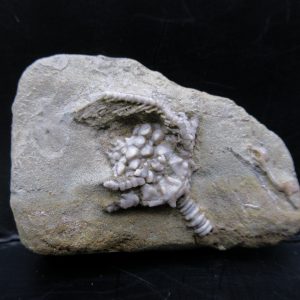
Crawfordsville Crinoid – Indiana #127
$55.00 -
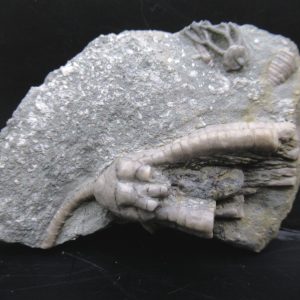
Crawfordsville Crinoid – Indiana #128
$75.00 -
Sold out!
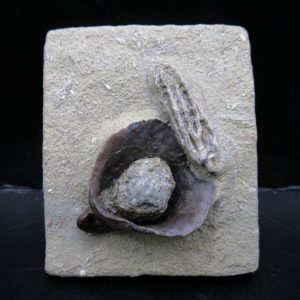
Crawfordsville Crinoid – Indiana #132
$108.00 -
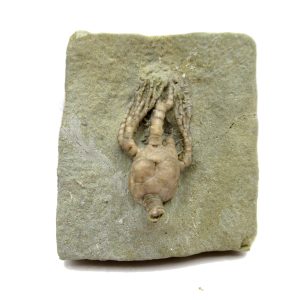
Crawfordsville Crinoid – Indiana #136
$65.00 -
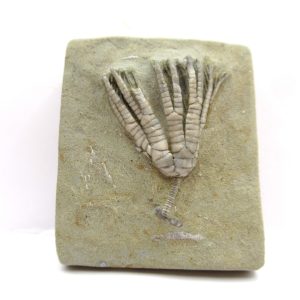
Crawfordsville Crinoid – Indiana #140
$75.00 -
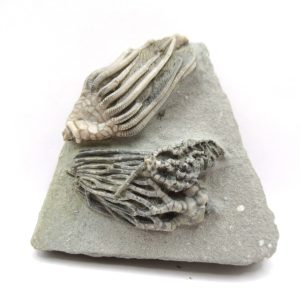
Crawfordsville Crinoid – Indiana #143
$290.00 -
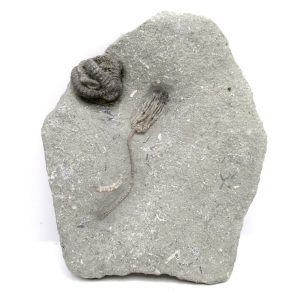
Crawfordsville Crinoid – Indiana #146
$500.00 -
Crawfordsville Crinoid – Indiana #147
$500.00 -

Crawfordsville Crinoid – Indiana #148
$25.00 -

Crawfordsville Crinoid – Indiana #149
$26.00 -

Crawfordsville Crinoid – Indiana #153
$85.00 -

Crawfordsville Crinoid – Indiana #156
$80.00 -

Crawfordsville Crinoid – Indiana #157
$120.00 -

Crawfordsville Crinoid – Indiana #158
$120.00 -

Crawfordsville Crinoid – Indiana #159
$220.00 -

Crawfordsville Crinoid – Indiana #160
$230.00 -

Crawfordsville Crinoid – Indiana #162
$120.00 -

Crawfordsville Crinoid – Indiana #164
$240.00 -
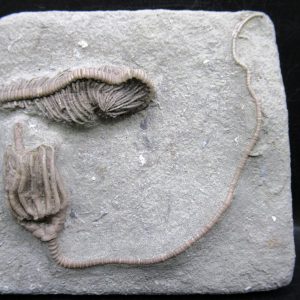
Crawfordsville Crinoid Fossil for Sale from Indiana #174
$300.00 -
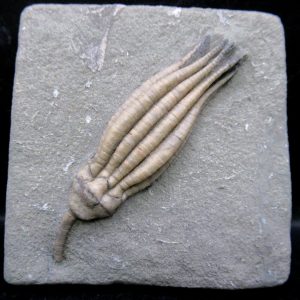
Crawfordsville Crinoid Fossil for Sale from Indiana #175
$275.00 -
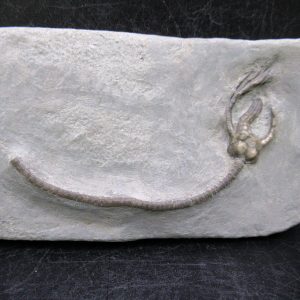
Crawfordsville Crinoid Fossil for Sale from Indiana #176
$80.00 -
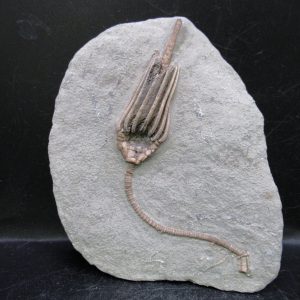
Crawfordsville Crinoid Fossil for Sale from Indiana #177
$400.00 -
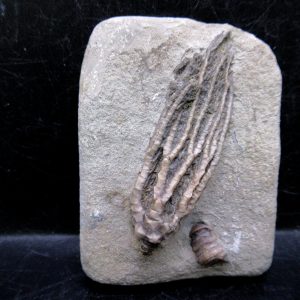
Crawfordsville Crinoid Fossil for Sale from Indiana #178
$135.00 -
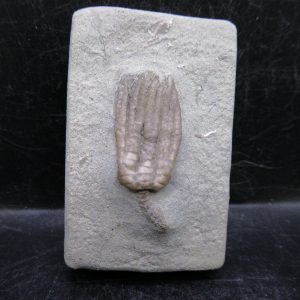
Crawfordsville Crinoid Fossil for Sale from Indiana #179
$85.00 -
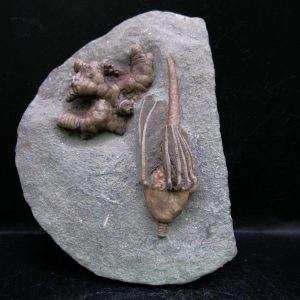
Crawfordsville Crinoid Fossil for Sale from Indiana #180
$330.00 -
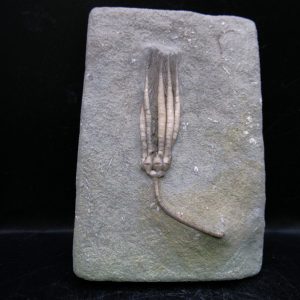
Crawfordsville Crinoid Fossil for Sale from Indiana #182
$275.00 -
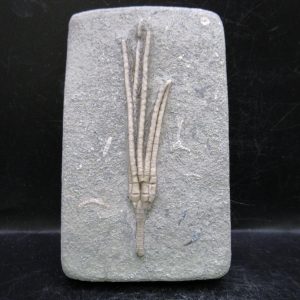
Crawfordsville Crinoid Fossil for Sale from Indiana #183
$230.00 -
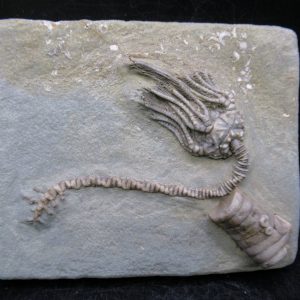
Crawfordsville Crinoid Fossil for Sale from Indiana #186
$480.00 -
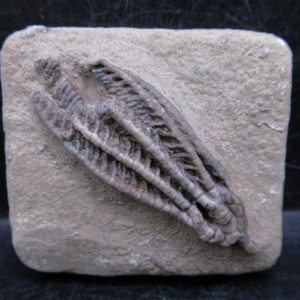
Crawfordsville Crinoid Fossil for Sale from Indiana #189
$145.00 -
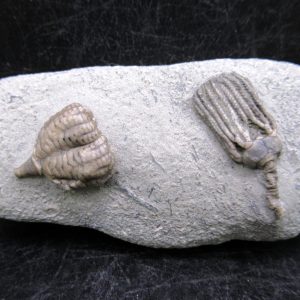
Crawfordsville Crinoid Fossil for Sale from Indiana #190
$235.00 -
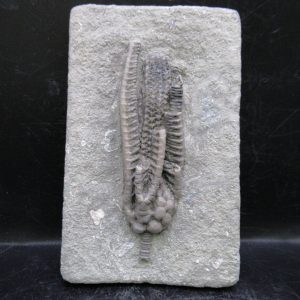
Crawfordsville Crinoid Fossil for Sale from Indiana #191
$270.00 -
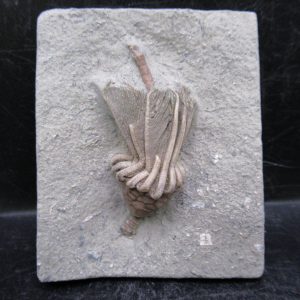
Crawfordsville Crinoid Fossil for Sale from Indiana #192
$200.00
Cystoid Fossils For Sale – Collecting Ancient Paleozoic Echinoderms
Cystoid Fossils For Sale give collectors a fascinating look at some of the earliest echinoderms to live in ancient oceans. Cystoids belonged to an extinct group of marine animals called Cystoidea. Like crinoids, blastoids, starfish, and sea urchins, they belonged to the phylum Echinodermata. However, cystoids developed unusual body structures that make their fossils distinctive and highly interesting to collectors.
What Were Cystoids?
Cystoids first appeared during the Ordovician Period, more than 450 million years ago. They became especially diverse during the Ordovician and Silurian periods. However, their numbers later declined, and the group disappeared by the end of the Permian Period about 252 million years ago.
Most cystoids lived attached to or resting on the sea floor. Their bodies often included a rounded or pear-shaped structure called a theca. This protective body covering consisted of many calcite plates. In addition, many species had a stem that helped anchor the animal. Small feeding structures extended from the upper part of the body and helped collect food from the surrounding water.
How to Identify Cystoid Fossils
One of the most useful features for identifying cystoids involves their plated theca. Unlike many crinoids, cystoids often had irregularly arranged plates. Moreover, many species developed distinctive respiratory structures called pore rhombs. These structures appear as groups of tiny pores that cross neighboring plates.
Collectors should examine specimens carefully because incomplete cystoids can resemble other fossil echinoderms. For example, weathered specimens may look similar to crinoid calyces or blastoids. Therefore, plate patterns, pore structures, body shape, and geological age can all help with proper identification.
Where Are Cystoid Fossils Found?
Cystoid Fossils For Sale may come from Paleozoic marine rocks found in several parts of the world. Important specimens have been discovered in North America, Europe, and other regions that once lay beneath shallow seas. Limestone and shale deposits can preserve cystoid plates, stems, and complete thecae.
In the United States, collectors may encounter cystoid fossils in Ordovician and Silurian rocks of the Midwest and nearby regions. However, complete specimens remain much less common than isolated plates or broken sections. As a result, well-preserved examples often attract strong interest from fossil collectors.
What Makes a Good Cystoid Fossil for Collectors?
Preservation strongly affects the appeal of a cystoid fossil. Therefore, collectors often look for specimens with a complete or nearly complete theca. Clear plate boundaries can also improve both scientific and display value. Furthermore, visible pore structures can make a specimen especially interesting.
A cystoid with an attached stem or other delicate structures may attract greater collector interest because these parts often separated after death. In addition, specimens with reliable locality and geological information provide more scientific value than fossils with unknown origins.
Building a Cystoid Fossil Collection
New collectors can begin with affordable partial specimens before seeking rarer, complete examples. Compare fossils from different formations, ages, and genera whenever possible. Moreover, keep accurate identification labels with each specimen so important scientific information remains with the fossil.
Most importantly, collectors should buy Cystoid Fossils For Sale from trustworthy sources that provide accurate descriptions, locality information when available, and clear authenticity guarantees. Cystoid fossils represent an important chapter in echinoderm evolution. Therefore, a well-documented collection offers much more than attractive fossils. It preserves evidence of marine ecosystems that flourished hundreds of millions of years ago and helps collectors explore the remarkable diversity of Paleozoic life.