
Crinoid Fossils For Sale | Genuine Sea Lily Fossils
CRINOID Fossils For Sale – Ancient Sea Lilies from Prehistoric Oceans
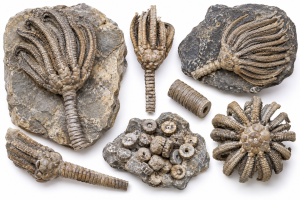
Crinoid Fossils For Sale offer collectors a fascinating look at marine animals that have lived in Earth’s oceans for hundreds of millions of years. Crinoids belong to the phylum Echinodermata, which also includes starfish, brittle stars, and sea urchins. Although people commonly call crinoids “sea lilies,” they are animals rather than plants.
What Are Crinoid Fossils?
Crinoids first appeared during the Ordovician Period, more than 480 million years ago. Moreover, they became especially abundant in many Paleozoic seas. Many ancient species attached themselves to the sea floor with a long, flexible stalk. At the top, a cup-shaped body called the calyx supported several feeding arms. In addition, these branching arms captured tiny food particles from the surrounding water.
How Crinoid Fossils Form
The crinoid stalk consisted of many small, disk-shaped skeletal pieces called columnals. Because the skeleton often separated after death, individual columnals are much more common as fossils than complete crinoids. However, rapid burial sometimes preserved the calyx, arms, and stem together. As a result, complete crinoid fossils can show remarkable anatomical detail.
Where Crinoid Fossils Are Found
Crinoid Fossils For Sale may come from sedimentary rock deposits around the world. For example, limestone beds in parts of the United States contain enormous numbers of crinoid fragments. Some limestone contains so much crinoid material that broken skeletal pieces make up a large part of the rock.
Collecting Crinoid Fossils
Today, crinoids still live in the world’s oceans. Therefore, their long fossil record helps paleontologists study ancient marine ecosystems and evolutionary change. Furthermore, collectors value Crinoid Fossils For Sale for their unusual shapes, fine details, scientific importance, and strong connection to prehistoric seas.
Crinoid Fossils For Sale
Showing 101–150 of 380 results
-
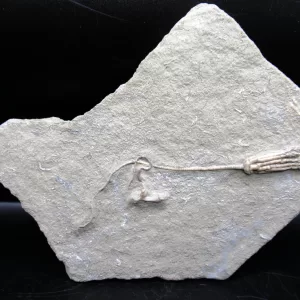
Indiana Crawfordsville Crinoid #97
$196.00 -
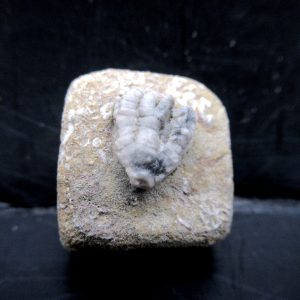
Crawfordsville Crinoid – Indiana #122
$12.00 -
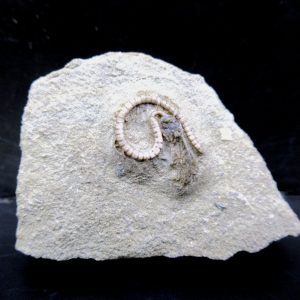
Crawfordsville Crinoid – Indiana #123
$24.00 -
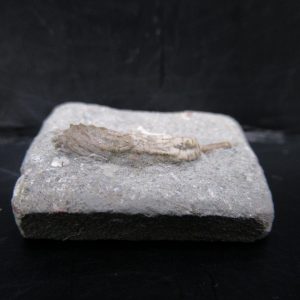
Crawfordsville Crinoid – Indiana #124
$32.00 -
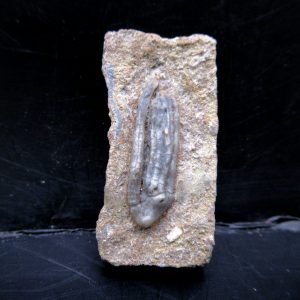
Crawfordsville Crinoid – Indiana #125
$36.00 -
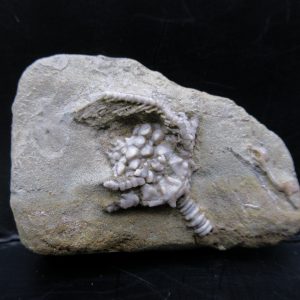
Crawfordsville Crinoid – Indiana #127
$55.00 -
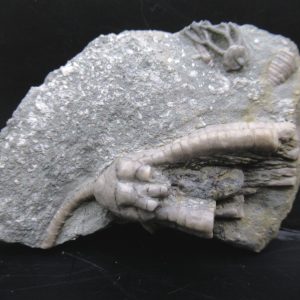
Crawfordsville Crinoid – Indiana #128
$75.00 -
Sold out!
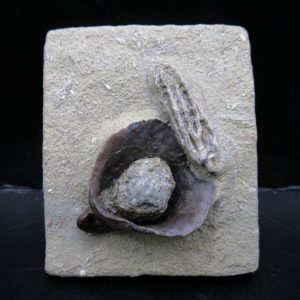
Crawfordsville Crinoid – Indiana #132
$108.00 -
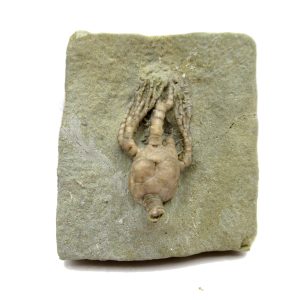
Crawfordsville Crinoid – Indiana #136
$65.00 -
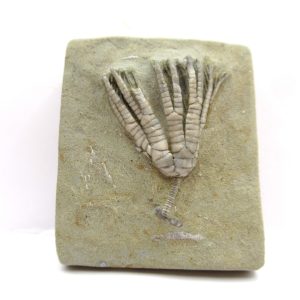
Crawfordsville Crinoid – Indiana #140
$75.00 -
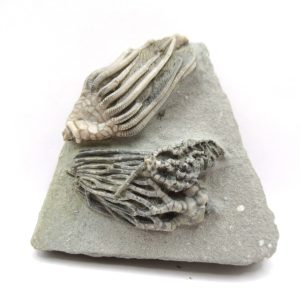
Crawfordsville Crinoid – Indiana #143
$290.00 -
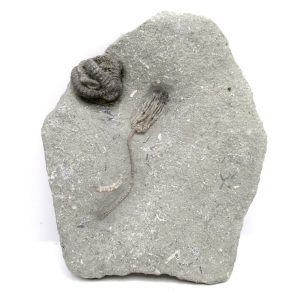
Crawfordsville Crinoid – Indiana #146
$500.00 -
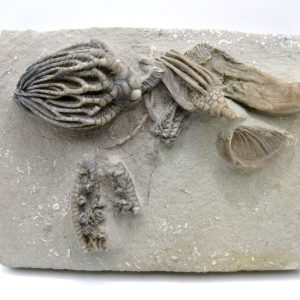
Crawfordsville Crinoid – Indiana #147
$500.00 -

Crawfordsville Crinoid – Indiana #148
$25.00 -

Crawfordsville Crinoid – Indiana #149
$26.00 -

Crawfordsville Crinoid – Indiana #153
$85.00 -

Crawfordsville Crinoid – Indiana #156
$80.00 -

Crawfordsville Crinoid – Indiana #157
$120.00 -

Crawfordsville Crinoid – Indiana #158
$120.00 -

Crawfordsville Crinoid – Indiana #159
$220.00 -

Crawfordsville Crinoid – Indiana #160
$230.00 -

Crawfordsville Crinoid – Indiana #162
$120.00 -

Crawfordsville Crinoid – Indiana #164
$240.00 -
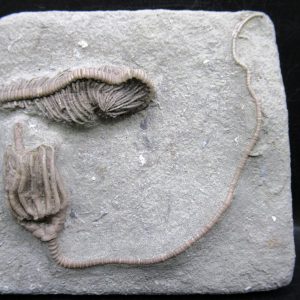
Crawfordsville Crinoid Fossil for Sale from Indiana #174
$300.00 -
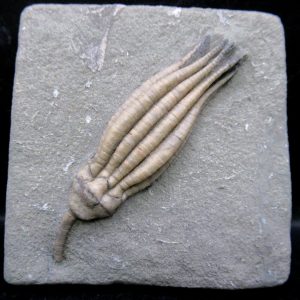
Crawfordsville Crinoid Fossil for Sale from Indiana #175
$275.00 -
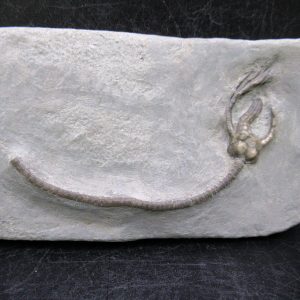
Crawfordsville Crinoid Fossil for Sale from Indiana #176
$80.00 -
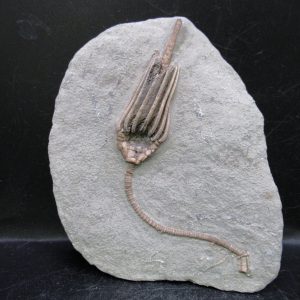
Crawfordsville Crinoid Fossil for Sale from Indiana #177
$400.00 -
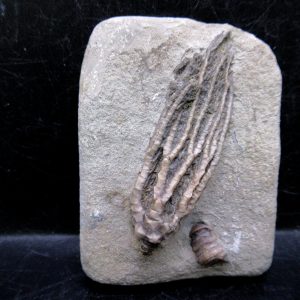
Crawfordsville Crinoid Fossil for Sale from Indiana #178
$135.00 -
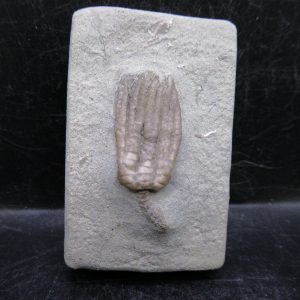
Crawfordsville Crinoid Fossil for Sale from Indiana #179
$85.00 -
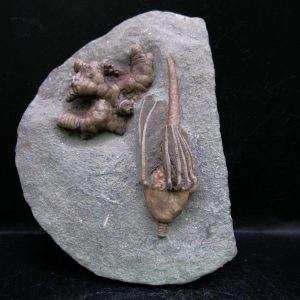
Crawfordsville Crinoid Fossil for Sale from Indiana #180
$330.00 -
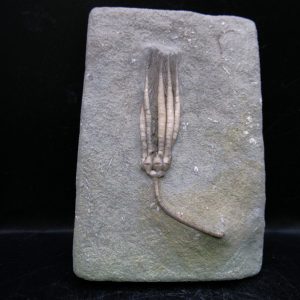
Crawfordsville Crinoid Fossil for Sale from Indiana #182
$275.00 -
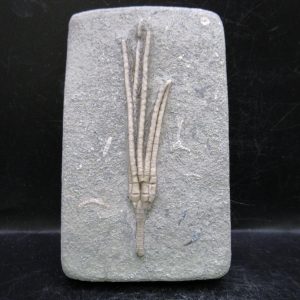
Crawfordsville Crinoid Fossil for Sale from Indiana #183
$230.00 -
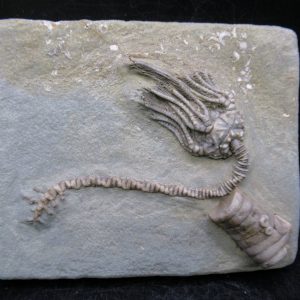
Crawfordsville Crinoid Fossil for Sale from Indiana #186
$480.00 -
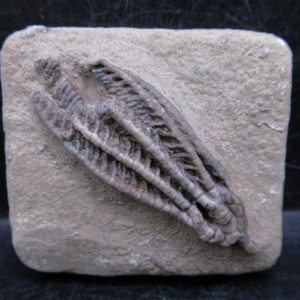
Crawfordsville Crinoid Fossil for Sale from Indiana #189
$145.00 -
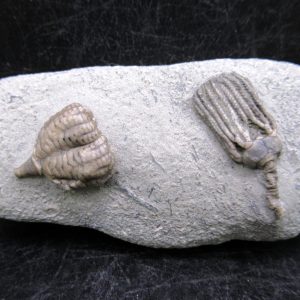
Crawfordsville Crinoid Fossil for Sale from Indiana #190
$235.00 -
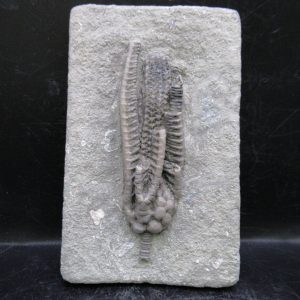
Crawfordsville Crinoid Fossil for Sale from Indiana #191
$270.00 -
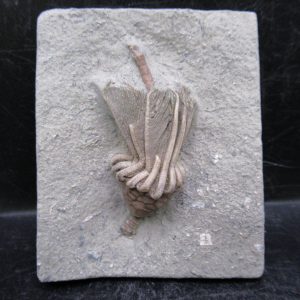
Crawfordsville Crinoid Fossil for Sale from Indiana #192
$200.00 -
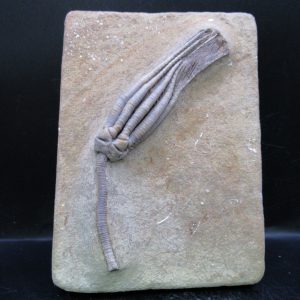
Crawfordsville Crinoid Fossil for Sale from Indiana #193
$675.00 -
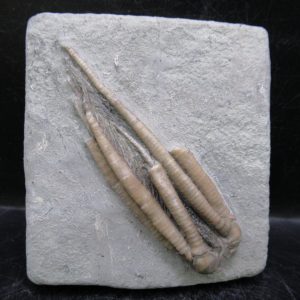
Crawfordsville Crinoid Fossil for Sale from Indiana #196
$175.00 -
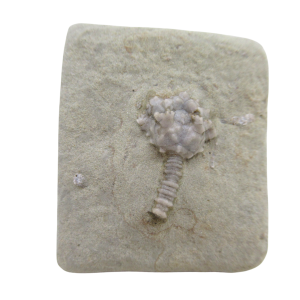
Crawfordsville Crinoid Fossil for Sale from Indiana #197
$35.00 -
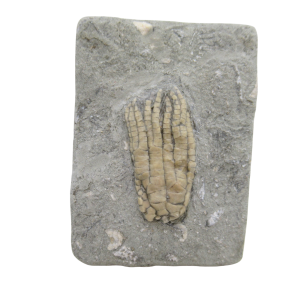
Crawfordsville Crinoid Fossil for Sale from Indiana #198
$75.00 -
Sold out!
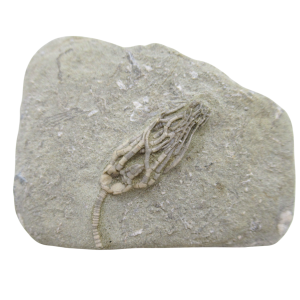
Crawfordsville Crinoid Fossil for Sale from Indiana #199
$80.00 -
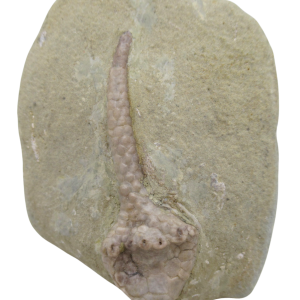
Crawfordsville Crinoid Fossil for Sale from Indiana #200
$75.00 -
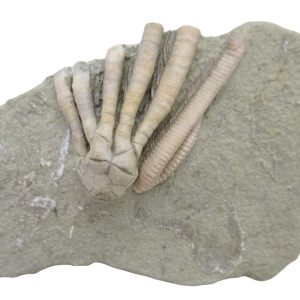
Crawfordsville Crinoid Fossil for Sale from Indiana #201
$75.00 -
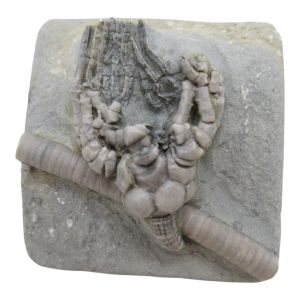
Crawfordsville Crinoid Fossil for Sale from Indiana #202
$110.00 -
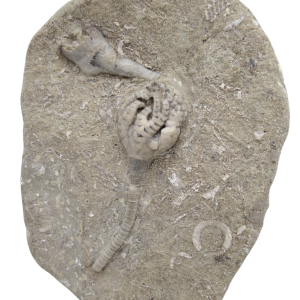
Crawfordsville Crinoid Fossil for Sale from Indiana #203
$125.00 -
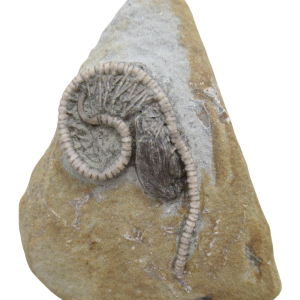
Crawfordsville Crinoid Fossil for Sale from Indiana #204
$125.00 -
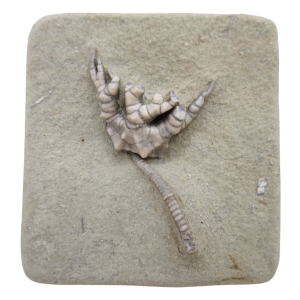
Crawfordsville Crinoid Fossil for Sale from Indiana #205
$125.00 -
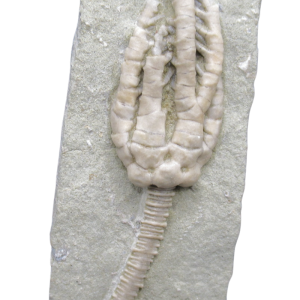
Crawfordsville Crinoid Fossil for Sale from Indiana #206
$200.00 -
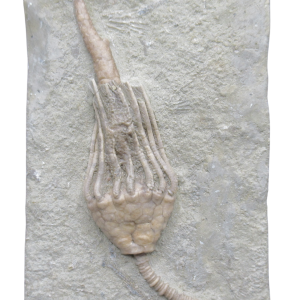
Crawfordsville Crinoid Fossil for Sale from Indiana #207
$280.00
Crinoid Fossils For Sale – Collecting Ancient Sea Lily Fossils
Crinoid Fossils For Sale give collectors a fascinating way to study marine animals that have lived in Earth’s oceans for hundreds of millions of years. Crinoids belong to the phylum Echinodermata, which also includes starfish, brittle stars, and sea urchins. Although people often call crinoids “sea lilies,” they are animals rather than plants. Moreover, living crinoids still inhabit oceans today.
Crinoids first appeared during the Early Ordovician Period, more than 470 million years ago. However, they became especially abundant during parts of the Paleozoic Era. Because ancient crinoids lived in many marine environments, their fossils occur in sedimentary rocks throughout the world. As a result, collectors can find crinoid fossils from many geological periods and locations.
What Do Crinoid Fossils Look Like?
A typical crinoid had a cup-shaped body called a calyx, flexible feeding arms, and, in many species, a long stem. The stem consisted of many small skeletal pieces called columnals. Therefore, crinoid stem pieces rank among the most common crinoid fossils found in limestone and other marine sedimentary rocks.
After a crinoid died, currents and scavengers often scattered its skeletal parts. Consequently, collectors commonly find individual stem sections and columnals. Complete specimens with attached arms, stems, and calyxes are much less common. For this reason, well-preserved complete examples often attract experienced fossil collectors.
Where Are Crinoid Fossils Found?
Crinoid Fossils For Sale may come from many regions of North America, Europe, Asia, and other parts of the world. In the United States, Paleozoic limestone formations in Indiana, Illinois, Iowa, Missouri, Kentucky, Tennessee, and nearby states contain abundant crinoid remains.
However, some fossil localities are especially famous. Crawfordsville, Indiana, for example, produced beautifully preserved Mississippian crinoids. Some specimens retain delicate arms and fine skeletal details. Therefore, fossils from historic localities can offer both scientific interest and strong collector appeal.
What Should Collectors Look For?
When choosing Crinoid Fossils For Sale, collectors should first examine completeness and preservation. A specimen with an intact calyx, visible arms, or a long stem section often displays more anatomical detail than isolated fragments. However, rare species, unusual preservation, or a well-documented locality can also make incomplete specimens desirable.
Additionally, buyers should examine fossils for repairs and restoration. Some preparation is normal because matrix often covers part of a fossil. Nevertheless, reputable sellers should clearly describe significant reconstruction, added material, or major repairs whenever known.
Locality and identification information also add educational value. Therefore, collectors should keep original labels with their specimens. Details such as species, geological formation, location, and geological age can make a fossil more useful for study and comparison.
Building a Crinoid Fossil Collection
Beginners can start with affordable crinoid stems, columnals, and common calyxes. Then, as their knowledge grows, they can add more complete or unusual specimens. For example, a collection may include crinoids from several geological periods, formations, species, or locations.
Crinoid fossils also provide an excellent way to study ancient marine ecosystems. Furthermore, some limestone contains enormous numbers of crinoid fragments, showing how abundant these animals once were in prehistoric seas.
Why Collect Crinoid Fossils?
Ultimately, collecting crinoid fossils combines natural history, geology, and paleontology. Whether you choose a simple stem section or an exceptional complete specimen, each fossil preserves evidence of an ancient marine animal. Therefore, properly identified Crinoid Fossils For Sale can make excellent additions to fossil collections, educational displays, classrooms, museums, and natural history exhibits.