
Coins for Sale | Authentic Coins
Coins for Sale
Coins for Sale – Ancient Through Modern Coins | We offer a selection of World Coins in addition to Greek, Roman as well as Spanish Coins. We also carry modern Copper Rounds with Dinosaurs & Prehistoric Animals. Check out our other Artifacts for Sale
Some of the earliest currencies were objects from nature. A notable example is cowrie shells, first used as money about 1200 BCE. Although they may seem a pretty random choice, the shells had a number of advantages. They were similar in size, small, and durable. The mollusks that produce the shells are found in the coastal waters of the Indian and Pacific oceans. The expansion of trade meant that even some European countries accepted cowrie shells as currency.
Buy Authentic Coins with Confidence
Showing 1–50 of 102 results
-
Sold out!
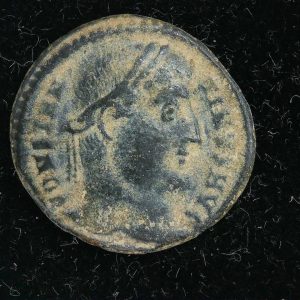
Constantine I – Roman Coin #38
$115.00 -
Sold out!
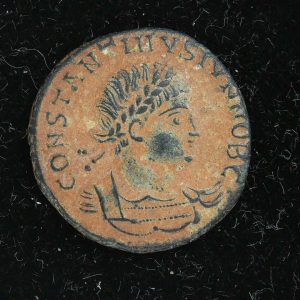
Constantine II – Roman Coin #36
$95.00 -

Constantine II – Roman Coin #37
$75.00 -
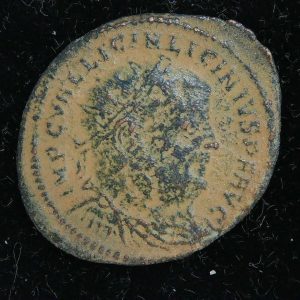
Licinius I – Roman Coin #32
$95.00 -
Sold out!
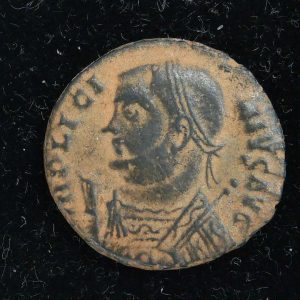
Licinius I – Roman Coin #33
$95.00 -
Sold out!
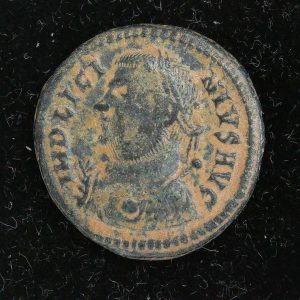
Licinius II – Roman Coin #34
$95.00 -
Sold out!
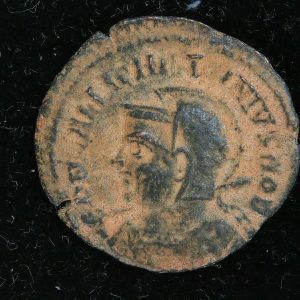
Licinius II – Roman Coin #35
$95.00 -
Sold out!
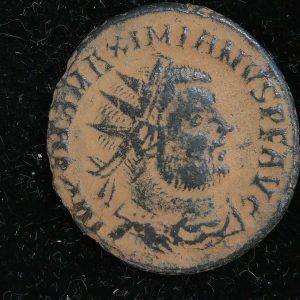
Maximian Herculius – Roman Coin #30
$95.00 -
Sold out!
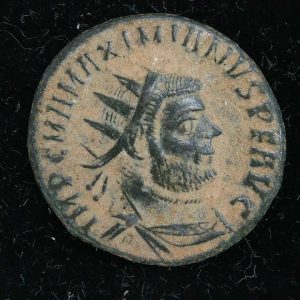
Maximian Herculius – Roman Coin #31
$95.00 -
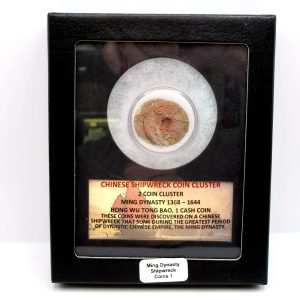
Ming Dynasty Chinese Shipwreck Coin Cluster 1
$55.00 -
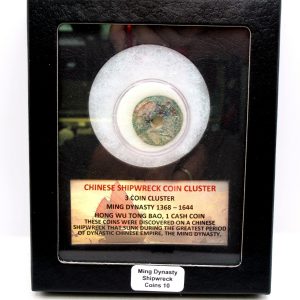
Ming Dynasty Chinese Shipwreck Coin Cluster 10
$65.00 -
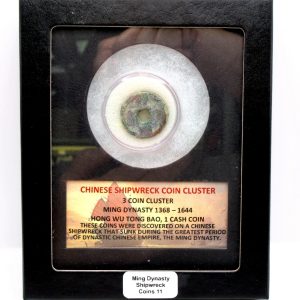
Ming Dynasty Chinese Shipwreck Coin Cluster 11
$65.00 -
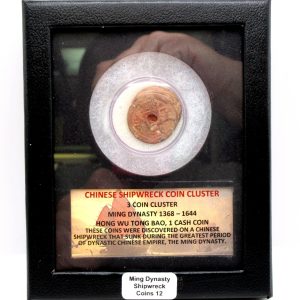
Ming Dynasty Chinese Shipwreck Coin Cluster 12
$65.00 -

Ming Dynasty Chinese Shipwreck Coin Cluster 2
$55.00 -

Ming Dynasty Chinese Shipwreck Coin Cluster 3
$55.00 -

Ming Dynasty Chinese Shipwreck Coin Cluster 4
$55.00 -
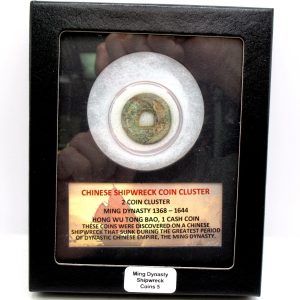
Ming Dynasty Chinese Shipwreck Coin Cluster 5
$55.00 -
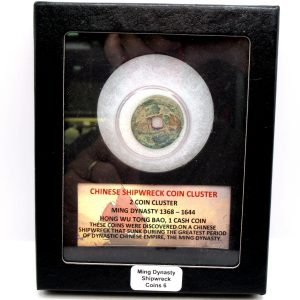
Ming Dynasty Chinese Shipwreck Coin Cluster 6
$55.00 -
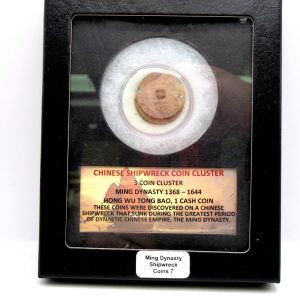
Ming Dynasty Chinese Shipwreck Coin Cluster 7
$65.00 -
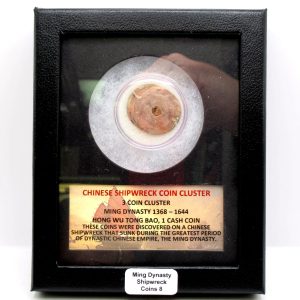
Ming Dynasty Chinese Shipwreck Coin Cluster 8
$65.00 -
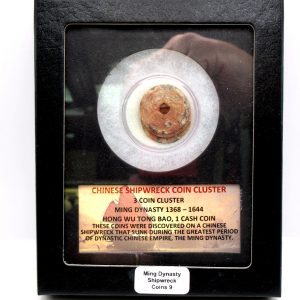
Ming Dynasty Chinese Shipwreck Coin Cluster 9
$65.00 -

World Coins | Authentic Foreign Coin #1
$5.00 -

World Coins | Authentic Foreign Coin #10
$2.00 -

World Coins | Authentic Foreign Coin #11
$2.00 -

World Coins | Authentic Foreign Coin #12
$2.00 -

World Coins | Authentic Foreign Coin #13
$12.00 -

World Coins | Authentic Foreign Coin #14
$2.00 -
Sold out!

World Coins | Authentic Foreign Coin #15
$2.00 -

World Coins | Authentic Foreign Coin #16
$2.00 -
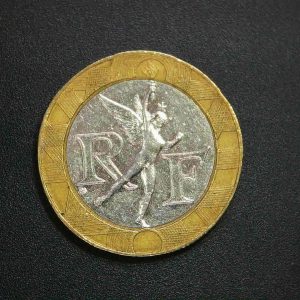
World Coins | Authentic Foreign Coin #17
$3.00 -
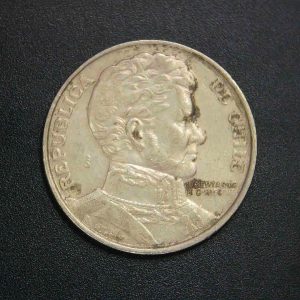
World Coins | Authentic Foreign Coin #18
$2.00 -

World Coins | Authentic Foreign Coin #19
$2.00 -

World Coins | Authentic Foreign Coin #2
$5.00 -
Sold out!
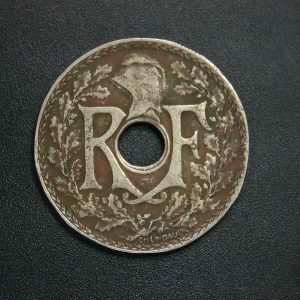
World Coins | Authentic Foreign Coin #20
$2.00 -
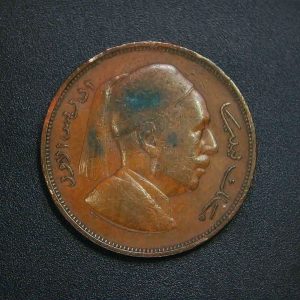
World Coins | Authentic Foreign Coin #21
$4.00 -

World Coins | Authentic Foreign Coin #22
$2.00 -

World Coins | Authentic Foreign Coin #23
$2.00 -

World Coins | Authentic Foreign Coin #24
$3.00 -

World Coins | Authentic Foreign Coin #25
$2.00 -

World Coins | Authentic Foreign Coin #26
$2.00 -

World Coins | Authentic Foreign Coin #27
$2.00 -

World Coins | Authentic Foreign Coin #28
$2.00 -

World Coins | Authentic Foreign Coin #29
$2.00 -

World Coins | Authentic Foreign Coin #3
$2.00 -

World Coins | Authentic Foreign Coin #30
$2.00 -

World Coins | Authentic Foreign Coin #31
$2.00 -

World Coins | Authentic Foreign Coin #32
$2.00 -

World Coins | Authentic Foreign Coin #33
$2.00 -

World Coins | Authentic Foreign Coin #34
$2.00 -

World Coins | Authentic Foreign Coin #35
$2.00
- Buy Coins
- Coins for Sale
- Large Selection
- Great Prices and Great Selection
- Authenticity Guaranteed
- Satisfaction Guaranteed
- Your TRUSTED SOURCE SINCE 1997!
- Many more videos are available on our YouTube Channel.
The Scientific Study of Coins (Numismatics): History, Materials, and Economic Significance
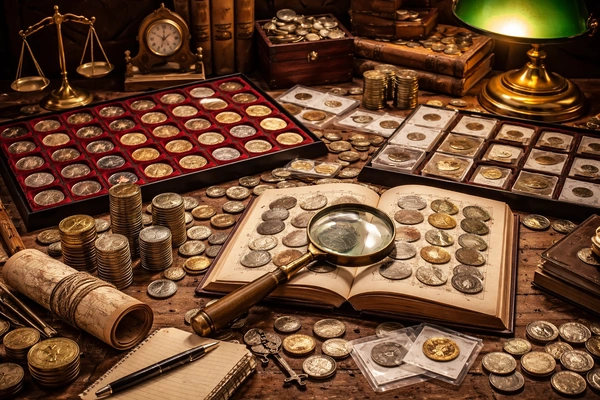
Numismatics, the scientific study of coins and currency, provides critical insights into economic history, metallurgy, political authority, and cultural exchange. Coins serve as durable archaeological artifacts that document trade networks, technological advancements, and societal values across civilizations.
Introduction to Numismatics
Numismatics is an interdisciplinary field combining archaeology, history, chemistry, economics, and materials science. Unlike simple coin collecting, scientific numismatics emphasizes empirical analysis, provenance documentation, and peer-reviewed research. Coins are uniquely valuable because they are dated, standardized, and widely circulated, making them reliable primary sources for historical study.
From ancient Lydia to modern fiat currencies, coins have played a foundational role in economic systems and state authority.
Historical Origins of Coinage
The earliest known coins date to circa 650–600 BCE in the Kingdom of Lydia (modern-day Turkey). These early coins were struck from electrum, a natural alloy of gold and silver.

Key historical milestones:
-
Ancient Greece: Introduction of city-state iconography and standardized weights
-
Roman Empire: Mass production, propaganda imagery, and monetary reforms
-
Medieval Europe: Debasement, recoinage, and feudal authority
-
Modern era: Industrial minting and transition to base-metal alloys
Coins often depict rulers, religious symbols, or political messages, making them essential tools for dating archaeological layers and understanding governance.
Materials Science of Coins
Coins are metallurgical artifacts whose composition reflects available resources, economic pressures, and technological sophistication.
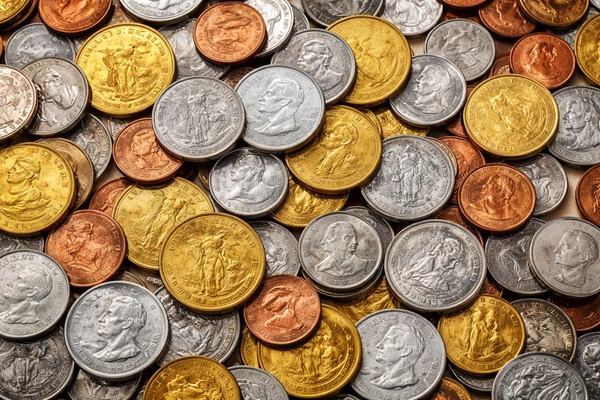
Common coin metals:
-
Gold (Au) – corrosion-resistant, high intrinsic value
-
Silver (Ag) – widely used in trade currencies
-
Copper (Cu) – base metal for low denominations
-
Nickel, Zinc, Aluminum – modern alloys for durability and cost control
Scientific analysis techniques:
-
X-ray fluorescence (XRF) for elemental composition
-
Scanning electron microscopy (SEM) for surface structure
-
Isotope analysis for identifying ore sources
These methods help authenticate coins, detect counterfeits, and trace ancient trade routes.
Coin Minting Technologies
Coin production methods evolved alongside industrial and scientific innovation.

Major minting techniques:
-
Hammered coinage (ancient to medieval)
-
Screw press minting (Renaissance)
-
Steam-powered presses (18th–19th centuries)
-
Modern CNC and laser-engraved dies
Minting precision affects coin weight uniformity, strike quality, and resistance to forgery—key concerns in both ancient and modern economies.
Economic and Cultural Significance
Coins function as:
-
Mediums of exchange
-
Stores of value
-
Symbols of sovereignty
Debasement of coinage has historically triggered inflation, social unrest, and monetary reform. Conversely, stable coin systems correlate strongly with economic expansion and trade reliability.
Coins also transmit cultural information, preserving languages, artistic styles, and religious beliefs long after civilizations decline.
Numismatics in Modern Research and Collecting
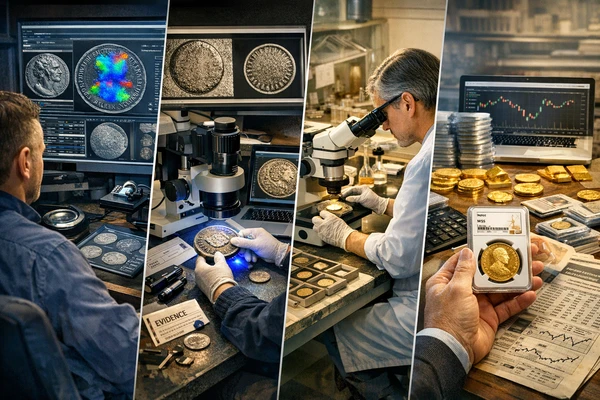
Today, numismatics intersects with:
-
Digital databases and AI-based die studies
-
Forensic authentication
-
Museum conservation science
-
Investment-grade coin markets
Professional numismatists follow strict documentation standards, including chain of custody, peer verification, and third-party grading, aligning with modern E-E-A-T principles.
Conclusion
Coins are far more than monetary instruments; they are scientifically rich artifacts that bridge economics, chemistry, and history. Through modern analytical techniques and rigorous documentation, numismatics continues to deepen our understanding of past civilizations and contemporary monetary systems. As digital research tools expand, the scientific study of coins remains a cornerstone of historical and economic scholarship.
Buy Coins from Prehistoric Fossils with Confidence. Your TRUSTED SOURCE since 1997. Authenticity Guaranteed.
Check out our complete YouTube video collection. Be sure to LIKE, SHARE and SUBSCRIBE PLEASE!!!