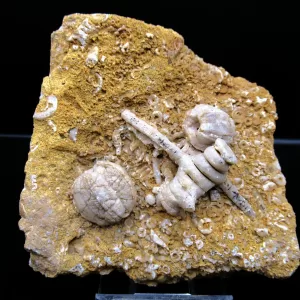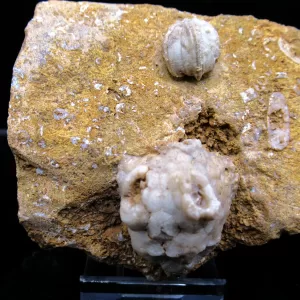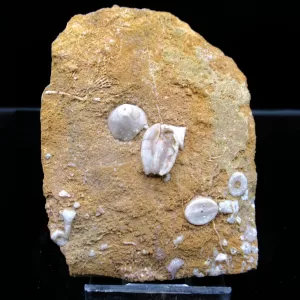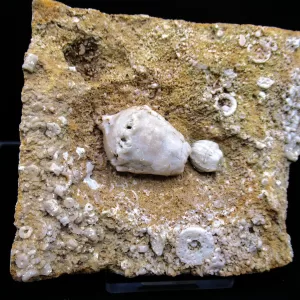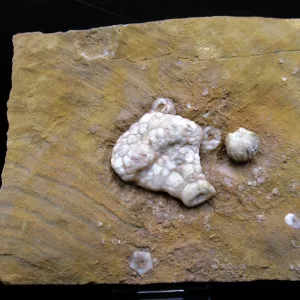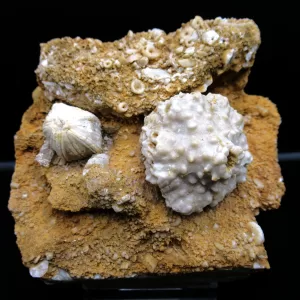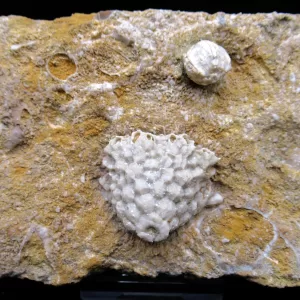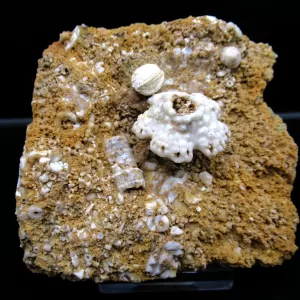
Blastoid Fossils For Sale | Genuine Prehistoric Echinoderms
Blastoid Fossils For Sale – Ancient Echinoderms from Paleozoic Seas
Blastoid Fossils For Sale offer collectors a fascinating look at an extinct group of marine animals called blastoids. Blastoids belonged to the phylum Echinodermata. Therefore, they were related to crinoids, starfish, and sea urchins. These unusual animals first appeared during the Ordovician Period and became especially common during the Mississippian Period. However, they disappeared during the great Permian mass extinction about 252 million years ago.
What Are Blastoid Fossils?
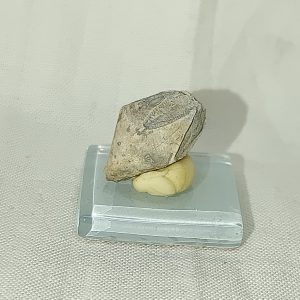
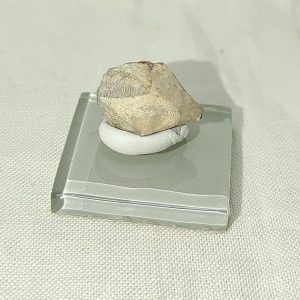
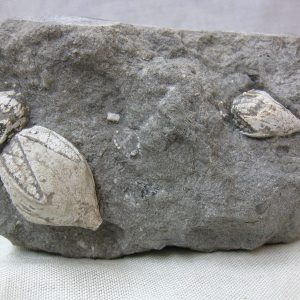
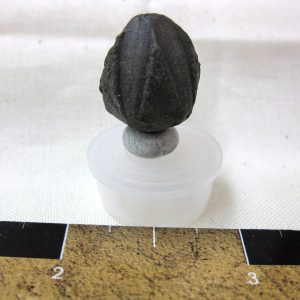
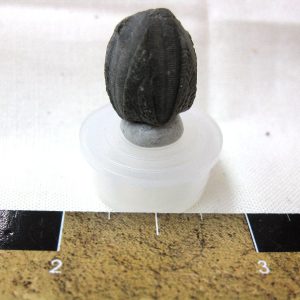
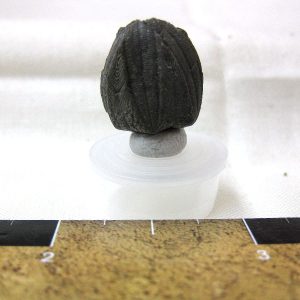
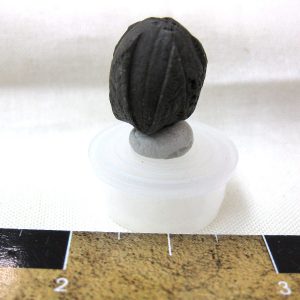
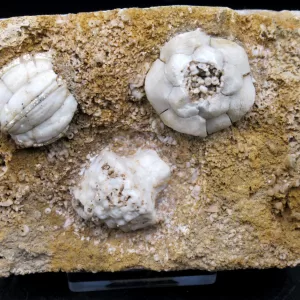
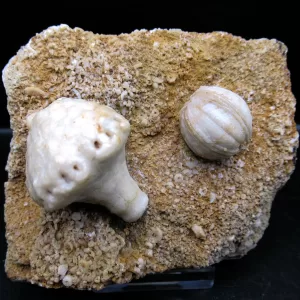
Blastoids lived attached to the seafloor by a stalk. Their main body, called the theca, often had a small, bud-like shape. In addition, hard calcite plates protected the animal. Five petal-shaped food grooves, called ambulacra, extended across the theca. These structures helped guide tiny food particles toward the mouth.
Where Are Blastoid Fossils Found?
Moreover, blastoids lived in shallow marine environments where warm seas covered large parts of ancient North America. Consequently, collectors commonly find blastoid fossils in Paleozoic limestone. States such as Indiana, Kentucky, Illinois, Missouri, and Tennessee have produced notable specimens.
Why Collect Blastoid Fossils For Sale?
Today, Blastoid Fossils For Sale appeal to collectors because of their detailed symmetry, unusual shapes, and scientific value. Paleontologists also study blastoid fossils to better understand ancient marine ecosystems and echinoderm evolution. Furthermore, complete specimens can preserve remarkable surface detail. Ultimately, each blastoid fossil offers a small but fascinating record of life in Earth’s ancient seas.
No Results Found
The page you requested could not be found. Try refining your search, or use the navigation above to locate the post.
Blastoid Fossils For Sale – Collecting Ancient Paleozoic Echinoderms
Blastoid Fossils For Sale give fossil collectors an interesting opportunity to own remains of unusual marine animals from the Paleozoic Era. Blastoids were extinct echinoderms related to crinoids and, more distantly, to modern sea stars and sea urchins. Although blastoids disappeared during the end-Permian mass extinction, their distinctive fossils remain popular with collectors, educators, and students of paleontology.
What Are Blastoid Fossils?
Blastoids belonged to the extinct class Blastoidea. Many lived attached to the seafloor by a stalk during part or much of their lives. Their compact body, called a theca, commonly had a rounded, oval, or bud-like shape. In addition, the theca consisted of tightly fitted calcite plates arranged in recognizable patterns.
Blastoids first appeared during the Paleozoic Era and became especially diverse during the Mississippian Period, about 359 to 323 million years ago. As a result, Mississippian marine rocks contain many of the best-known blastoid fossil deposits.
Why Collectors Value Blastoid Fossils
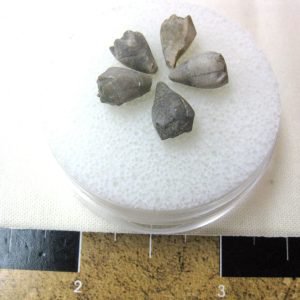
Collectors searching for Blastoid Fossils For Sale often appreciate the amount of detail preserved in these relatively small fossils. Well-preserved specimens may show ambulacral areas, plate boundaries, openings, and other anatomical features. Therefore, quality blastoid fossils offer both scientific interest and attractive natural form.
When evaluating a blastoid fossil, collectors should consider completeness, preservation, species, locality, geological formation, preparation quality, and restoration. Furthermore, specimens with reliable identification and collection information often have greater educational and scientific value.
Where Are Blastoid Fossils Found?
Blastoid fossils occur in Paleozoic rocks on several continents. However, the central United States is especially well known for producing attractive specimens. Mississippian rocks in states such as Indiana, Illinois, Kentucky, Missouri, and Tennessee have yielded many important blastoids.
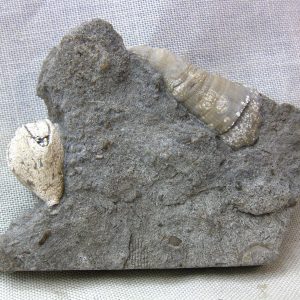
These ancient marine deposits may also contain crinoids, brachiopods, bryozoans, corals, and other fossils. Consequently, blastoids help paleontologists better understand the diverse communities that once lived in shallow Paleozoic seas.
How to Choose Blastoid Fossils For Sale
When buying Blastoid Fossils For Sale, examine each specimen carefully. Look for clear natural surface detail, visible plate structures, and good overall preservation. Also, consider whether the fossil has undergone repair or restoration. Reputable fossil dealers should provide accurate identification whenever possible and clearly represent the specimen being offered.
Documentation also matters. Ideally, a blastoid fossil should include information about its genus or species, geological age, formation, and collection locality when those details are known. This information gives the specimen valuable geological context and makes it more useful for study, display, and education.
Caring for a Blastoid Fossil Collection
Blastoid fossils can contain delicate surface structures, so careful handling is important. Avoid aggressive cleaning methods that may damage fine details. Instead, store specimens in a stable, dry location and protect them from unnecessary impact or abrasion.
In addition, keep identification labels with each specimen. Accurate records can preserve important information that might otherwise become lost as a collection changes ownership over time.
Building an Educational Blastoid Fossil Collection
A blastoid collection does not need to contain rare or expensive fossils to be interesting. Instead, collectors can focus on different genera, species, geological formations, localities, sizes, or preservation styles. Comparing several specimens can also reveal differences in blastoid anatomy and growth.
Ultimately, collecting blastoids combines paleontology, geology, and natural history. Each genuine fossil represents an animal that lived in an ancient sea hundreds of millions of years ago. For collectors seeking Blastoid Fossils For Sale, carefully identified and documented specimens can provide lasting scientific, educational, and display value.