
Bird Fossils for Sale
Bird Fossils for Sale | The fossil record of birds is not extensive, as the light and hollow bones of birds are not likely to survive as fossils. However, a growing number of unusually well-preserved fossil birds are contributing much to our understanding of bird evolution. Check out our Dinosaur Fossils for Sale
Showing all 50 results
-

Green River Bird Track Fossil Plate #1
$85.00 -
Sold out!
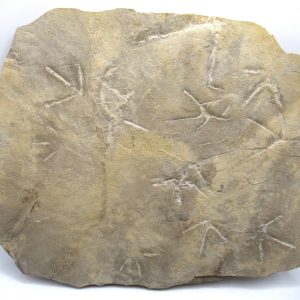
Green River Bird Track Fossil Plate #10
$125.00 -
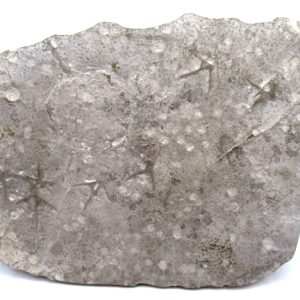
Green River Bird Track Fossil Plate #11
$95.00 -
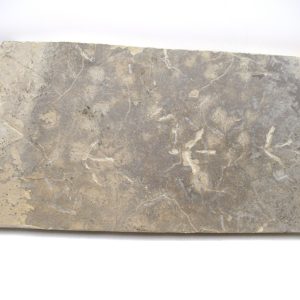
Green River Bird Track Fossil Plate #12
$95.00 -
Sold out!
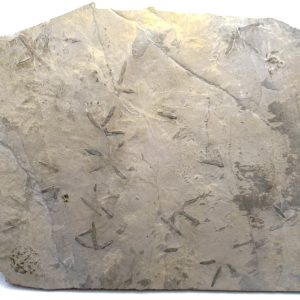
Green River Bird Track Fossil Plate #13
$115.00 -

Green River Bird Track Fossil Plate #2
$85.00 -
Sold out!

Green River Bird Track Fossil Plate #3
$95.00 -

Green River Bird Track Fossil Plate #4
$65.00 -
Sold out!

Green River Bird Track Fossil Plate #5
$85.00 -
Sold out!

Green River Bird Track Fossil Plate #6
$75.00 -

Green River Bird Track Fossil Plate #7
$75.00 -

Green River Bird Track Fossil Plate #8
$85.00 -
Sold out!

Green River Bird Track Fossil Plate #9
$95.00 -

Avisaurus archibaldi Bird Tooth #1
$125.00 -
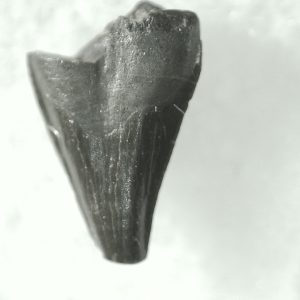
Avisaurus archibaldi Bird Tooth #10
$145.00 -
Sold out!
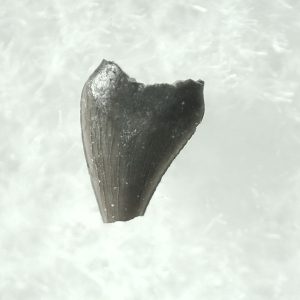
Avisaurus archibaldi Bird Tooth #2
$75.00 -
Sold out!

Avisaurus archibaldi Bird Tooth #3
$125.00 -
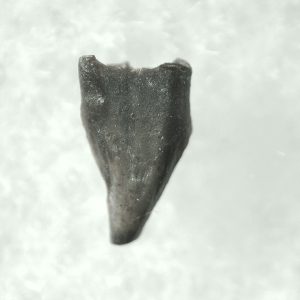
Avisaurus archibaldi Bird Tooth #4
$145.00 -
Sold out!

Avisaurus archibaldi Bird Tooth #5
$65.00 -
Sold out!
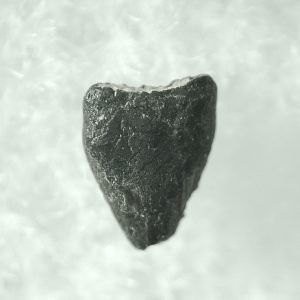
Avisaurus archibaldi Bird Tooth #6
$55.00 -
Sold out!
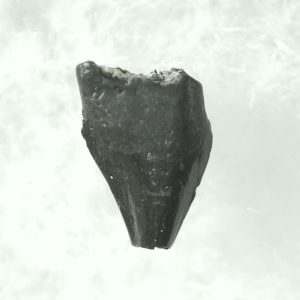
Avisaurus archibaldi Bird Tooth #7
$75.00 -
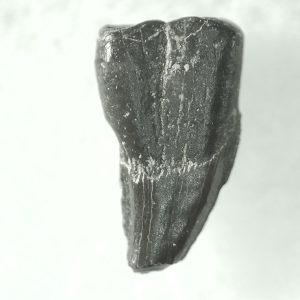
Avisaurus archibaldi Bird Tooth #8
$145.00 -
Sold out!

Avisaurus archibaldi Bird Tooth #9
$85.00 -
Sold out!

Bird Claw #1
$55.00 -

Bird Claw #2
$55.00 -
Sold out!

Bird Claw #3
$55.00 -
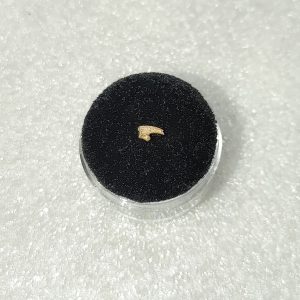
Bird Claw #4
$55.00 -
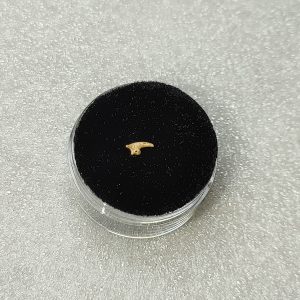
Bird Claw #5
$55.00 -
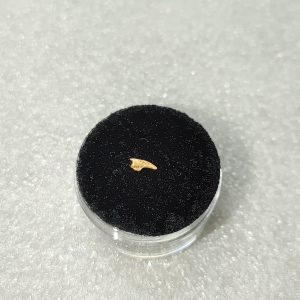
Bird Claw #6
$55.00 -
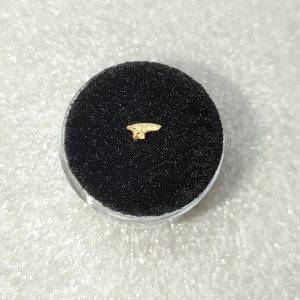
Bird Claw #7
$55.00 -

Bird Claw #8
$55.00 -

Gastornis Egg Shell #24 | Flightless Bird
$17.50 -
Sold out!

Gastornis Egg Shell #25 | Flightless Bird
$17.50 -

Gastornis Egg Shell #26 | Flightless Bird
$17.50 -

Gastornis Egg Shell #27 | Flightless Bird
$17.50 -

Gastornis Egg Shell #28 | Flightless Bird
$17.50 -
Sold out!

Gastornis Egg Shell #29 | Flightless Bird
$17.50 -
Sold out!

Gastornis Egg Shell #30 | Flightless Bird
$17.50 -
Sold out!

Gastornis Egg Shell #31 | Flightless Bird
$17.50 -

Gastornis Egg Shell #32 | Flightless Bird
$17.50 -

Gastornis Egg Shell #33 | Flightless Bird
$17.50 -

Gastornis Egg Shell #34 | Flightless Bird
$17.50 -
Sold out!

Gastornis Egg Shell | Flightless Bird #38
$12.50 -

Gastornis Egg Shell | Flightless Bird #40
$12.50 -
Sold out!

Gastornis Egg Shell | Flightless Bird #42
$12.50 -
Sold out!

Gastornis Egg Shell | Flightless Bird #44
$12.50 -
Sold out!

Gastornis Egg Shell | Flightless Bird #45
$12.50 -
Sold out!

Fossil Bird Egg Shell from France #1
$135.00 -

Fossil Bird Egg Shell from France #2
$135.00 -

Fossil Bird Egg Shell from France #3
$135.00
- Buy Fossils
- Large Selection
- Great Prices and Great Selection
- Authenticity Guaranteed
- Satisfaction Guaranteed
- Your TRUSTED SOURCE SINCE 1997!
- Many more videos are available on our YouTube Channel.
Why Bird Fossils Matter
Bird fossils provide some of the most compelling evidence for evolution—and some of the rarest. Because birds have hollow bones and delicate skeletons, their remains fossilize far less frequently than those of other vertebrates. Every new find adds crucial data about flight, feathers, anatomy, and the deep evolutionary history linking modern birds to theropod dinosaurs.
In recent years, several landmark discoveries have reshaped our understanding of avian evolution, pushing key adaptations further back in time and revealing the mosaic nature of early bird anatomy.
1. What Exactly Is a Bird Fossil?
Bird fossils can include:
• Bones
Skulls, vertebrae, wing bones, claws, hips, and feet. Exceptional fossils preserve even tiny wrist bones or inner-ear structures.
• Feathers
Compression fossils may show feather outlines, keratin imprints, color-bearing melanosomes, and vane structure.
• Soft tissues (rare)
Skin, stomach contents, trachea rings, and sometimes pigments.
• Trace fossils
Footprints, feeding marks, coprolites (fossil droppings), and nest structures.
Since bird skeletons are fragile, complete specimens are extremely uncommon. Most species are known from partial bones—making each well-preserved fossil scientifically significant.
2. The Oldest Bird Fossils: From Dinosaurs to Birds
Archaeopteryx (Late Jurassic, ~150 million years ago)
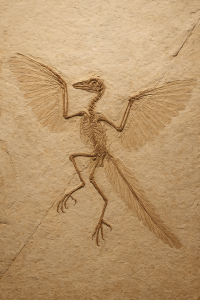
Traditionally seen as the “first bird,” Archaeopteryx displays:
-
teeth
-
clawed hands
-
a long bony tail
-
asymmetrical feathers suitable for flight
Its transitional features demonstrate the evolutionary link between small theropod dinosaurs and modern birds.
New Discoveries Pushing the Timeline Earlier
Recent fossils from China have begun rewriting this timeline. Notably:
Baminornis zhenghensis (Late Jurassic, ~150 Ma)
Discovered in the Fujian Province of China, this species shows:
-
a pygostyle-like short tail—a feature previously seen only in later Cretaceous birds
-
shoulder and pelvic structures closer to modern birds
-
still-primitive hands, showing mixed traits
This discovery suggests that “modern-style” anatomical features were emerging 20 million years earlier than previously believed.
However, some researchers have questioned whether the tail structure is a true pygostyle—highlighting the importance of scientific caution and ongoing peer review.
3. How Bird Fossils Show the Transition From Dinosaurs
Bird evolution didn’t happen all at once. Instead, it was mosaic evolution—different traits appearing at different times.
Key transitional features include:
• Feathers
These first evolved for insulation and display, later becoming adapted for flight.
• Arms to Wings
Theropod dinosaurs gradually developed:
-
elongated forearms
-
fused bones
-
mobile shoulder joints
-
specialized wrist bones (like the pisiform) essential for flapping flight
Recent studies show these structures originated earlier than once believed.
• Tails
Early birds had long, reptile-like tails. Later birds evolved a fused tail-tip (the pygostyle), improving flight control and maneuverability.
• Brains and Senses
New skull fossils have revealed how:
-
the cerebellum (movement coordination)
-
optic lobes (vision)
-
and inner-ear balance systems
expanded as birds became more capable fliers.
4. Spectacular Fossil Sites That Changed Everything
1. Solnhofen Limestone (Germany)
Home of Archaeopteryx—fine-grained limestone that preserved feathers in exquisite detail.
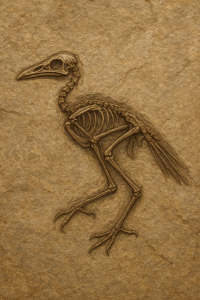
2. Early Cretaceous of China (Liaoning Province)
A world-famous treasure trove yielding thousands of bird fossils, including:
-
Confuciusornis
-
-
Enantiornithines
-
Early waterfowl and shorebirds
These fossils transformed the scientific understanding of early bird diversity.
3. Antarctica (Cretaceous)
Recent finds reveal that birds—including early waterfowl—lived in polar regions during dinosaur times.
4. North America & Mongolia
Trace fossils (tracks, feathers) continue to expand the geographic picture of early avian life.
5. What Bird Fossils Reveal About Ancient Bird Life
Diet
Fossil stomach contents show:
-
fish-eaters
-
seed-eaters
-
insectivores
-
opportunistic omnivores
Early birds filled a surprising number of ecological niches.
Flight Capabilities
Feather symmetry, arm length, and joint orientation reveal whether birds:
-
glided
-
flapped weakly
-
achieved strong powered flight
-
were flightless
Growth & Lifespan
Bone microstructure (histology) reveals:
-
rapid dinosaur-like growth rates
-
early sexual maturity
-
short lifespans compared to modern birds
6. Recent Breakthroughs (2020s–2025)
• Discovery of Baminornis
Suggested an earlier origin for short-tailed birds and modern-style shoulder anatomy.
• Fossilized bird brain reconstructions
Skulls like Navaornis hestiae help map the evolutionary expansion of brain regions responsible for intelligence and flight control.
• New data on wrist bones
The pisiform bone, once thought to be a late addition, appears much earlier—indicating flight-related adaptations happening deep in dinosaur ancestry.
• Birds nesting in the Arctic
Fossilized eggshells and bones from the Cretaceous show that birds were raising young in high-latitude environments during dinosaur times.
7. Why Bird Fossils Are So Rare
Bird skeletons have:
-
paper-thin bones
-
extensive air cavities
-
easily separated joints
-
feathers that decay rapidly
This makes complete fossilization incredibly rare. As a result, every new discovery—especially complete skeletons—is scientifically invaluable.
8. The Future of Bird Fossil Research
Upcoming advances may include:
-
micro-CT scanning revealing hidden structures
-
feather chemistry analysis to reconstruct ancient colors
-
new Jurassic fossil beds (especially in Asia)
Future discoveries could push bird origins even earlier and reveal new intermediate species that close evolutionary gaps.
Conclusion
Bird fossils are among the most important windows into evolution. From Archaeopteryx to Baminornis and beyond, each discovery reshapes our understanding of how birds emerged from small, feathered dinosaurs. Because of their fragility, bird fossils remain rare—but when they are found, they offer unparalleled insight into anatomy, behavior, and the deep history of flight.
Bird Fossils for Sale at Prehistoric Fossils
Buy Fossils with Confidence.