Description
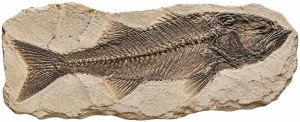
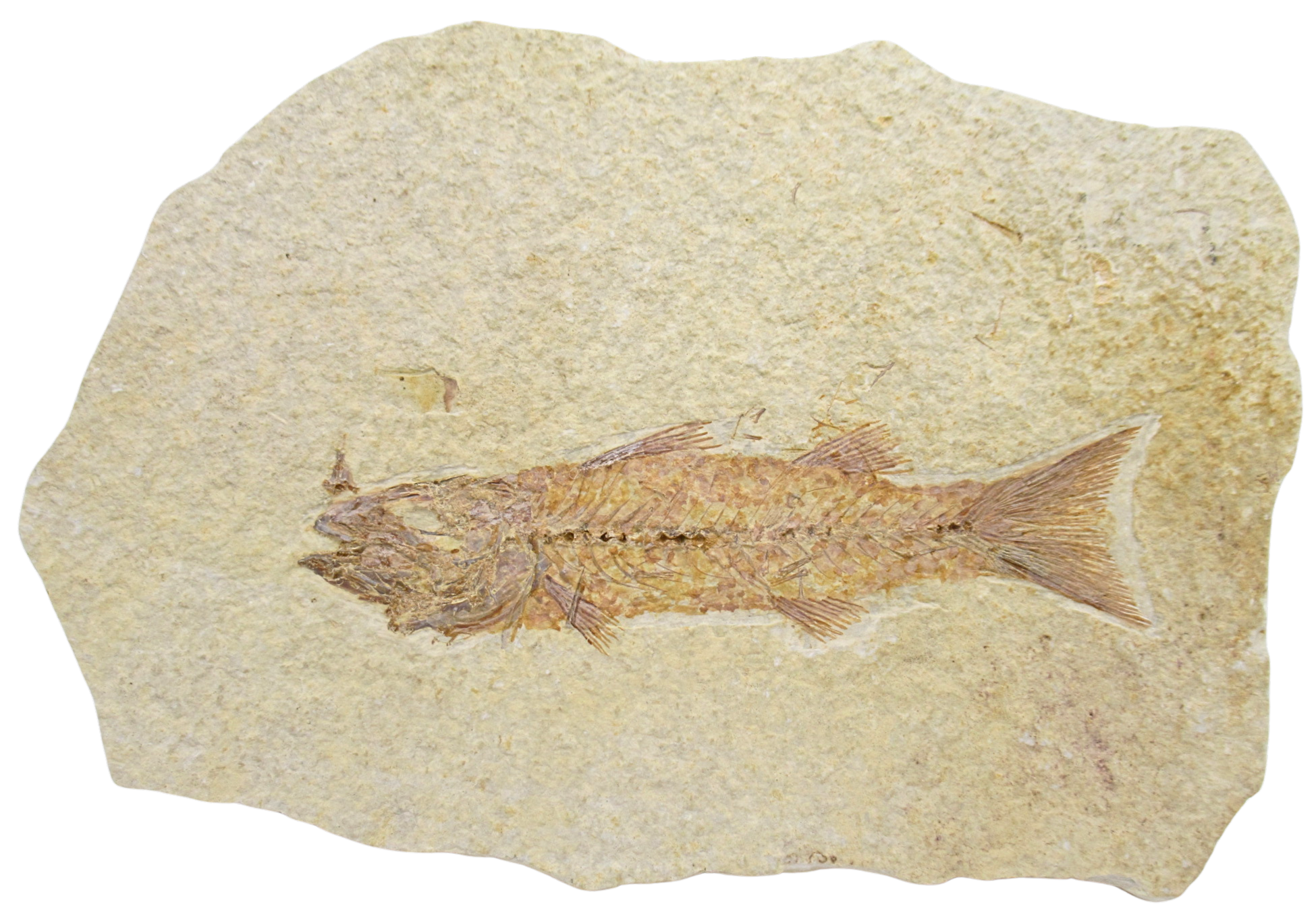
Mioplosus Fish Fossil For Sale
- Predatory Fish
- Eocene Age
- Green River Formation
- Kemmerer Wyoming
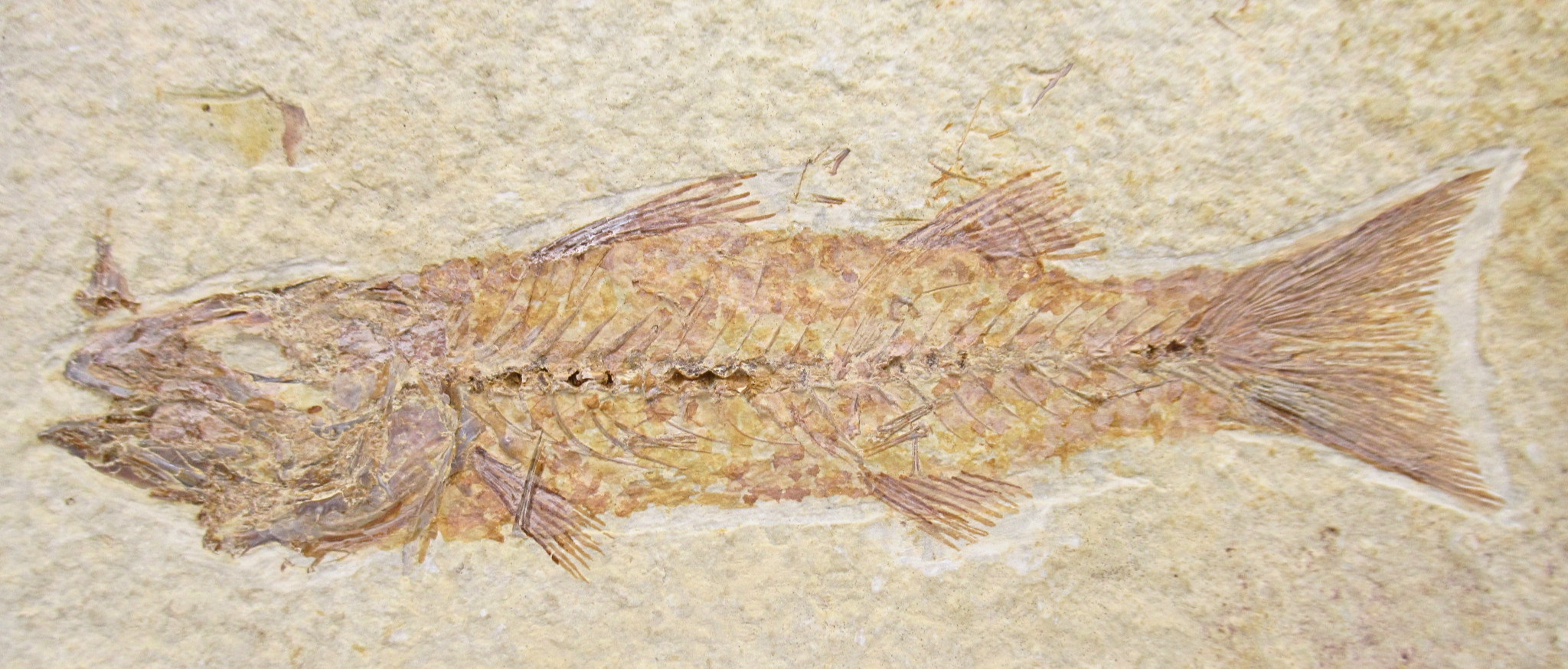
- This specimen is nicely centered on its original matrix The matrix itself measures 6.3″ wide as well as 4.35″ tall. In addition the fish itself measures 4.31″ long. Finally, the specimen will come with an ID Label. Authenticity Guaranteed.
- Buy Fossils – MORE Fish Fossils For Sale
Mioplosus Fish Fossil For Sale – Genuine Green River Fossils
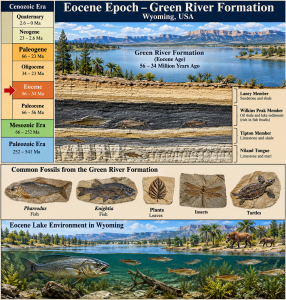
Mioplosus Fish Fossil For Sale specimens offer a fascinating look at one of the predatory fish that lived in ancient Wyoming lakes. These genuine fossils come from the famous Green River Formation, which formed during the Eocene Epoch about 50 million years ago. Today, collectors prize these fossils for their detailed skeletons, sharp teeth, and distinctive body shapes.
Furthermore, Mioplosus fossils help scientists understand ancient freshwater ecosystems. As a result, these prehistoric fish remain popular among fossil collectors, museums, and educators.
What Was the Prehistoric Mioplosus Fish?
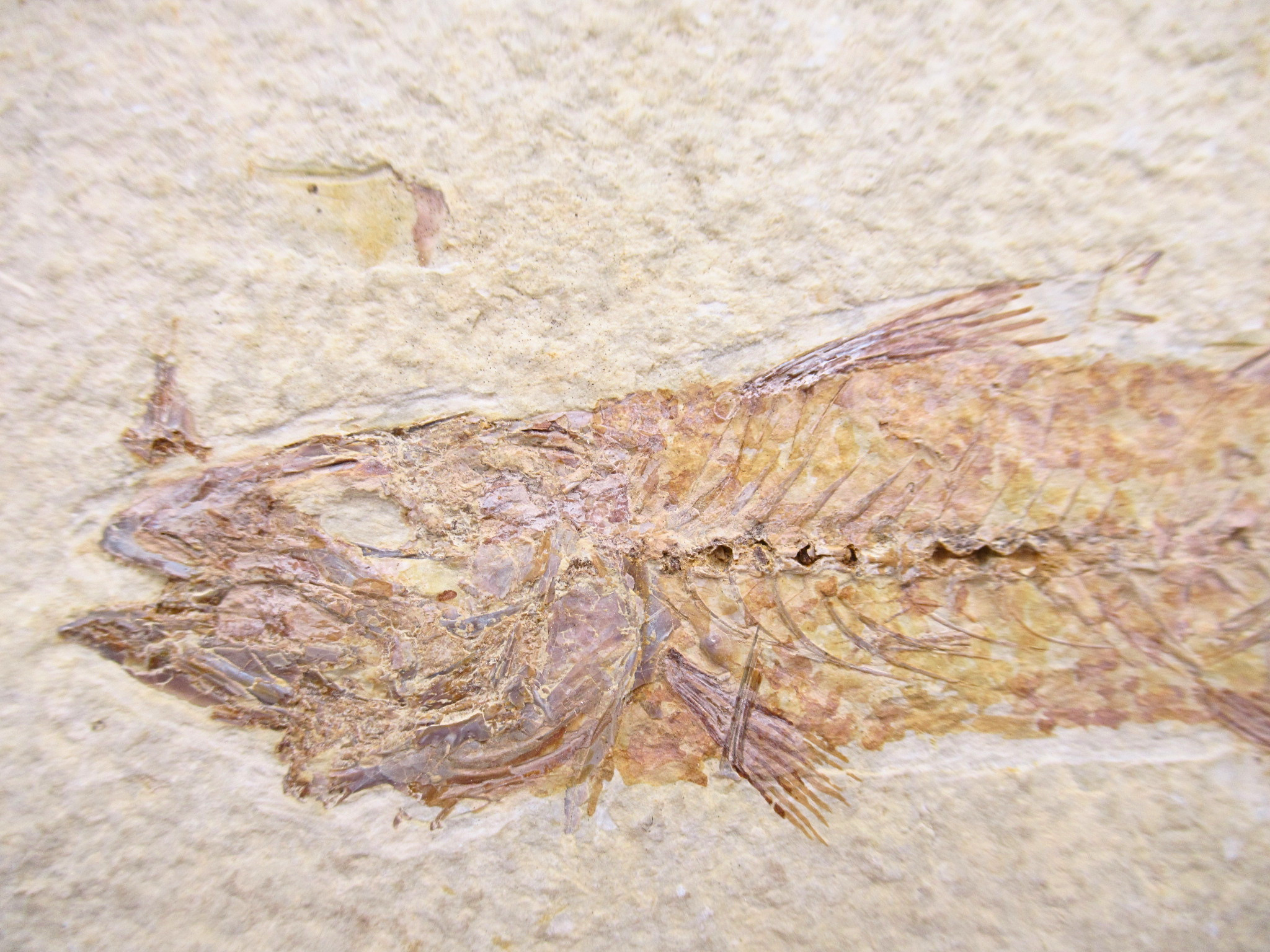
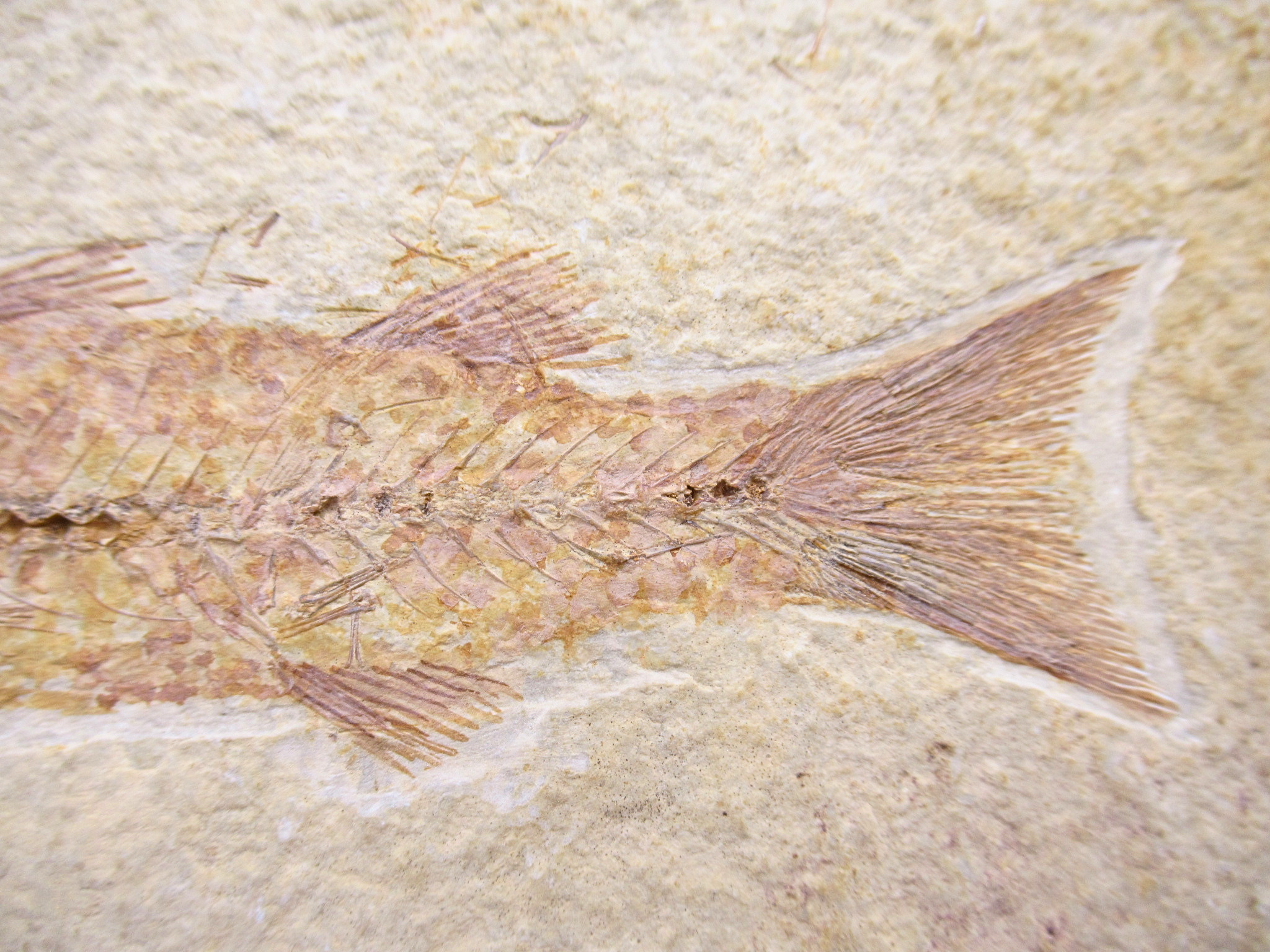
Mioplosus labracoides was an extinct perch-like freshwater fish. It had a long, streamlined body, two dorsal fins, and a powerful tail. In addition, its mouth contained numerous small, pointed teeth designed to grasp slippery prey.
Unlike many small schooling fish, Mioplosus appears to have been a largely solitary predator. Some individuals reached approximately 20 inches long, although most were considerably smaller.
Where Are Mioplosus Fish Fossils Found?
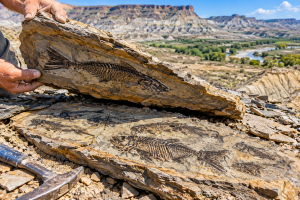
Most well-preserved Mioplosus fossils come from the Green River Formation near Kemmerer, Wyoming. During the early Eocene, a large freshwater lake known as Fossil Lake covered this region.
Over time, fine lake sediments buried dead fish and protected their remains. Consequently, many fossils preserve complete skeletons, fins, and delicate bones.
Today, fossil preparators carefully remove surrounding rock to expose these ancient fish. Moreover, some exceptional specimens reveal scales and individual teeth.
Mioplosus Fish Fossils Reveal Ancient Predators
Mioplosus was an active hunter that fed on smaller freshwater fish. In fact, scientists have discovered specimens with fish remains preserved inside their stomachs or mouths.
For example, some fossils contain remains of Knightia, a small schooling fish that also lived in Fossil Lake. Therefore, these discoveries provide direct evidence of ancient feeding behavior.
Additionally, Mioplosus shared its environment with Diplomystus, Phareodus, and several other prehistoric fish. Together, these species formed a complex freshwater food web.
Why Collect Mioplosus Fish Fossils For Sale?
Collectors value Mioplosus fossils because of their prehistoric appearance and excellent preservation. Compared with common Knightia fossils, Mioplosus specimens are generally less abundant in the fossil trade.
Furthermore, their elongated bodies and distinctive fins make them attractive display specimens. Larger examples with complete skeletons are especially desirable.
However, preservation quality varies. Therefore, collectors should examine the completeness of the fossil, preparation quality, and any repairs or restoration before purchasing.
Scientific Importance of Green River Mioplosus Fossils
The Green River Formation ranks among the world’s most important fossil deposits. Its fine sediments preserved an extraordinary record of ancient freshwater life.
In addition, Mioplosus fossils reveal important information about fish anatomy, predator-prey relationships, and Eocene lake environments.
Consequently, these fossils provide both scientific value and an impressive connection to Earth’s prehistoric past.
Buy Genuine Mioplosus Fish Fossils With Confidence
Mioplosus Fish Fossil For Sale
At Prehistoric Fossils, we have offered genuine fossils, minerals, and natural history collectibles since 1997.
Additionally, our fossils include an identification label and our 100% Guaranteed Genuine assurance.
Whether you are an experienced collector or just beginning, explore our Mioplosus Fish Fossil For Sale specimens and discover a remarkable predator from Wyoming’s ancient Green River lakes.