

Description
Cymatoceras Nautilus Fossil For Sale
- Nautilus
- Jurassic Age
- Found in Mahajanga, Madagascar
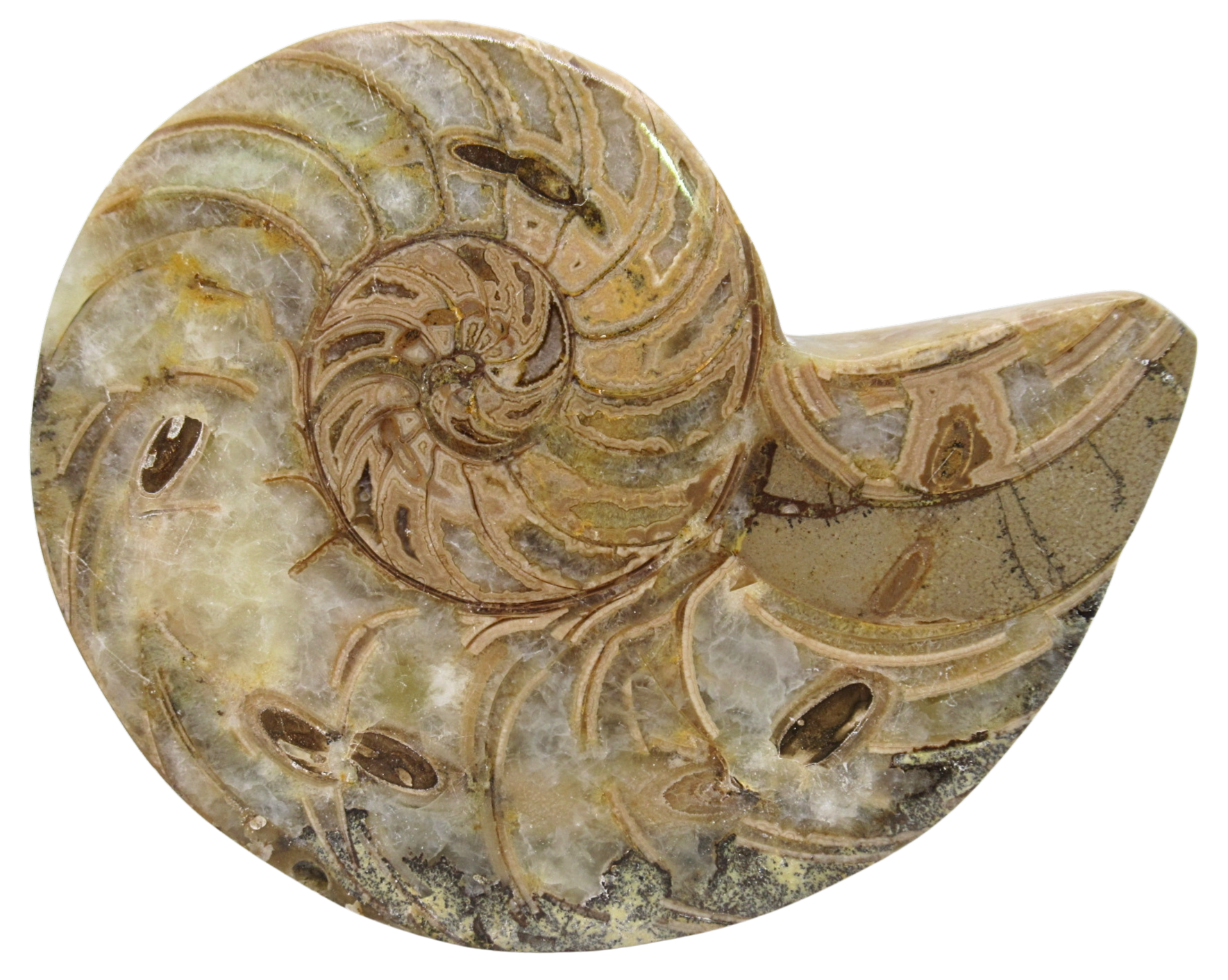
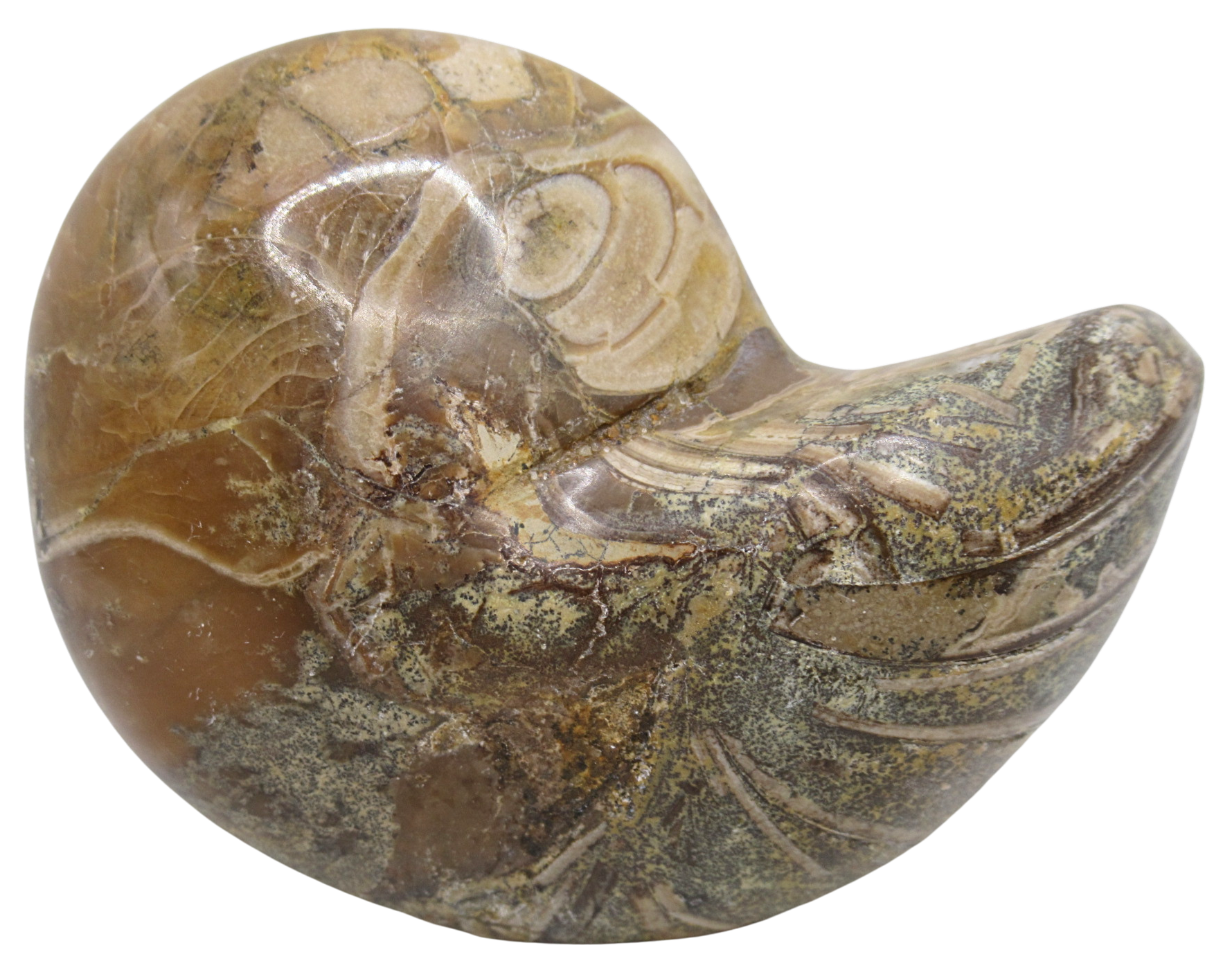
- This genuine Nautilus fossil measures 3.02″ long by 1.64″ wide. You will receive both matching halves, making this an attractive display specimen and an excellent addition to any fossil collection. In addition, your Nautilus fossil will include an ID Label for easy identification and documentation. You will receive the exact matching pair—both halves are included. 100% Guaranteed Genuine.
- Buy Fossils – MORE Fossil Ammonites for Sale
Cymatoceras Nautilus Fossil For Sale – Genuine Cretaceous Nautilus Fossils
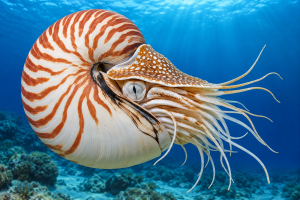
Cymatoceras Nautilus Fossil For Sale specimens offer collectors a genuine piece of prehistoric marine life. Cymatoceras was an extinct genus of nautilid cephalopods that lived in ancient oceans during the Mesozoic Era, including the Cretaceous Period. These animals were relatives of modern nautiluses and had strong, coiled shells divided into internal chambers.
Because Cymatoceras lived alongside many ammonites, marine reptiles, fish, and sharks, its fossils help illustrate the diversity of ancient marine ecosystems. In addition, its chambered shell provides an excellent example of cephalopod adaptation and evolution.
What Is a Cymatoceras Nautilus Fossil For Sale?
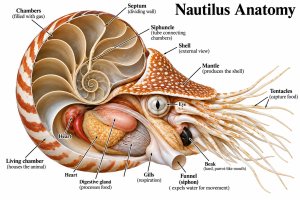
Cymatoceras belonged to the nautilid cephalopods. Like modern nautiluses, it had a coiled shell divided by internal walls called septa. As the animal grew, it moved into a larger living chamber near the shell opening while leaving older chambers behind.
A structure called the siphuncle passed through these chambers. The animal used this system to help regulate fluid and gas inside its shell. Therefore, it could control buoyancy and move through the water more efficiently.
Cymatoceras Nautilus Fossil For Sale Compared With Ammonites
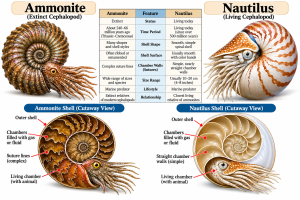
A Cymatoceras Nautilus Fossil For Sale can sometimes resemble an ammonite at first glance. Both groups had coiled, chambered shells. However, they belonged to different branches of cephalopod evolution.
One important difference involves the suture lines. These lines mark where the internal septa meet the outer shell. Nautiloids usually have simpler, gently curved sutures. In contrast, many ammonites developed highly complex and folded suture patterns.
In addition, the siphuncle in many Nautiloids lies closer to the center of the shell chambers. In ammonites, it commonly occurs closer to the shell’s outer edge.
Cymatoceras Nautilus Fossil For Sale From Cretaceous Seas
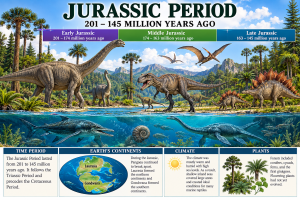
Cymatoceras is well known from Cretaceous marine deposits. During this period, shallow seas covered large areas of the continents. These warm oceans supported diverse communities of marine animals.
Meanwhile, dinosaurs lived on land, while mosasaurs, plesiosaurs, sharks, fish, ammonites, and Nautiloids inhabited the seas. As a result, a Cymatoceras fossil represents part of the same broad prehistoric world as many famous dinosaurs.
How Cymatoceras Nautilus Fossils Form
After a Cymatoceras died, its shell could settle onto the seafloor. Sediment then buried the shell and protected it from rapid destruction. Over time, minerals carried by groundwater could fill the shell chambers or replace portions of the original shell.
Consequently, a fossil may preserve shell material, mineral-filled chambers, or an internal mold. Color and texture can also vary depending on the surrounding minerals and geological conditions. Therefore, every fossil has its own natural appearance.
Why Collect a Cymatoceras Nautilus Fossil For Sale?
A Cymatoceras Nautilus Fossil For Sale combines scientific interest with natural beauty. Its distinctive chambered shell makes it an excellent specimen for fossil collectors, educators, students, and natural history displays.
Furthermore, comparing Cymatoceras with ammonites and modern nautiluses helps demonstrate how cephalopods changed through geological time. Each specimen provides a tangible connection to an ancient marine ecosystem that existed millions of years ago.
Genuine Cymatoceras Nautilus Fossils From Prehistoric Fossils
Because fossils are natural objects, each Cymatoceras specimen may vary in size, color, shape, mineralization, and preservation. These differences make every fossil unique.
At Prehistoric Fossils, we offer genuine fossils and natural history specimens for beginning collectors, advanced collectors, educators, and museums. Every fossil is 100% Guaranteed Genuine, and an ID Label is included.