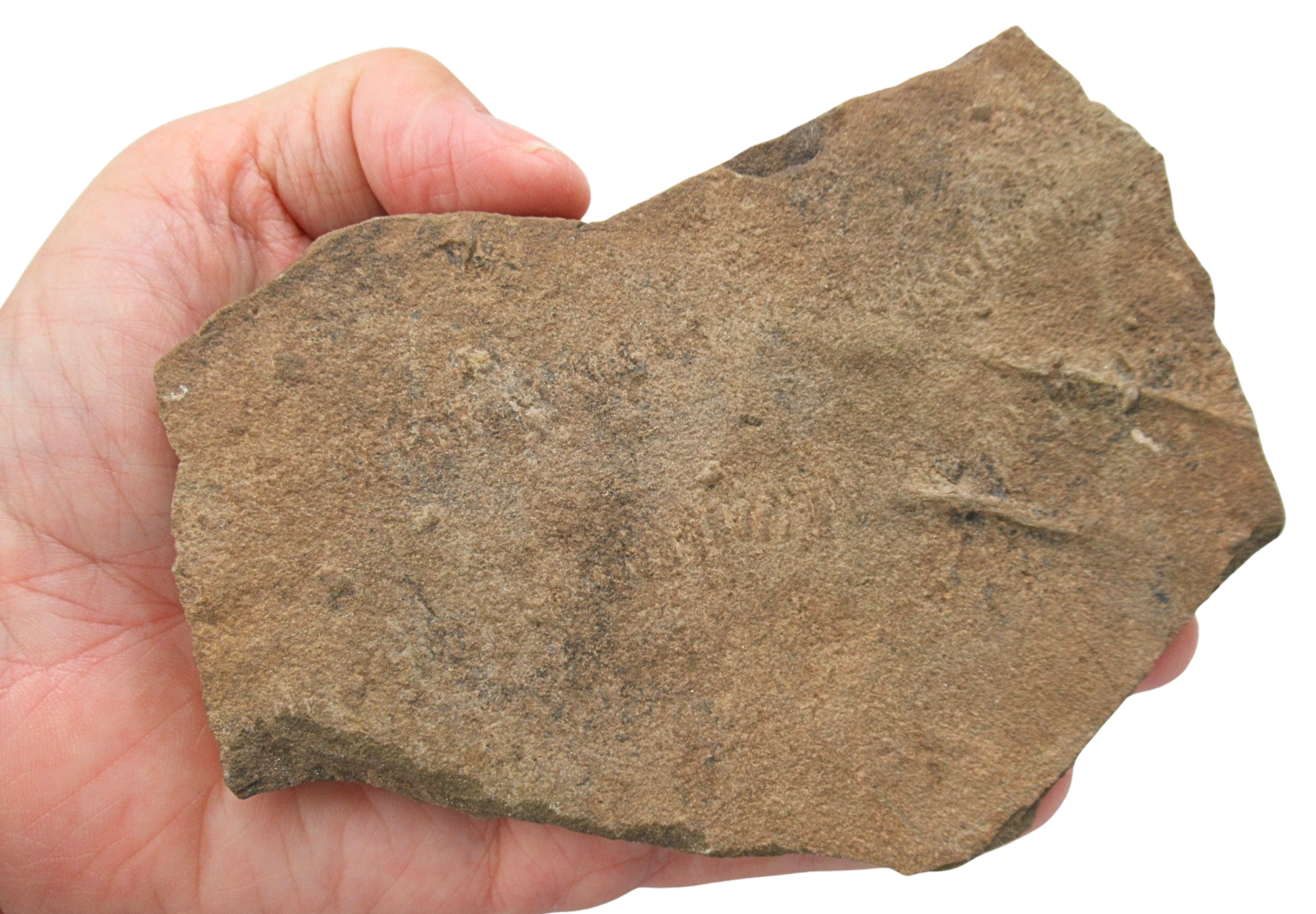
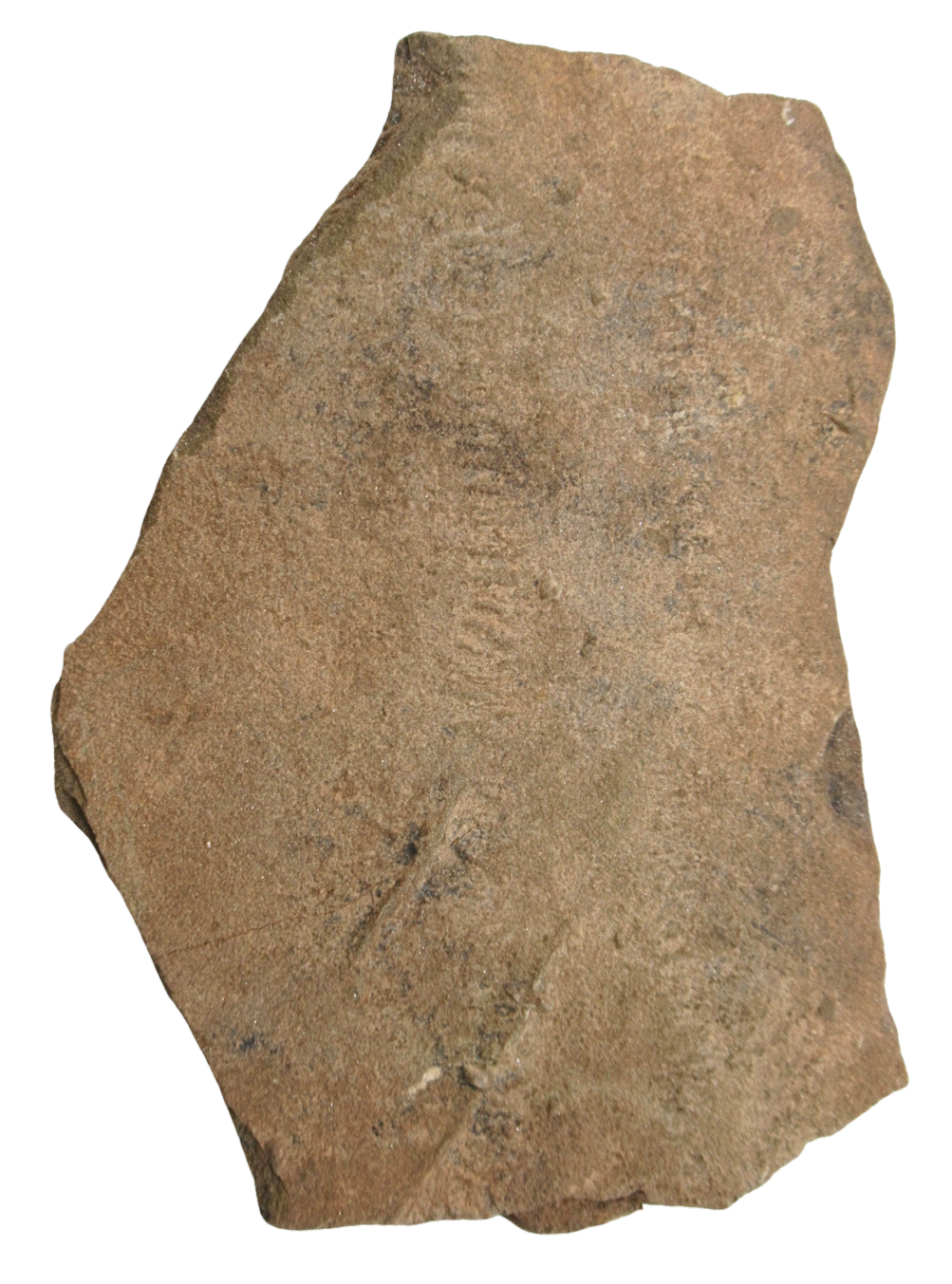
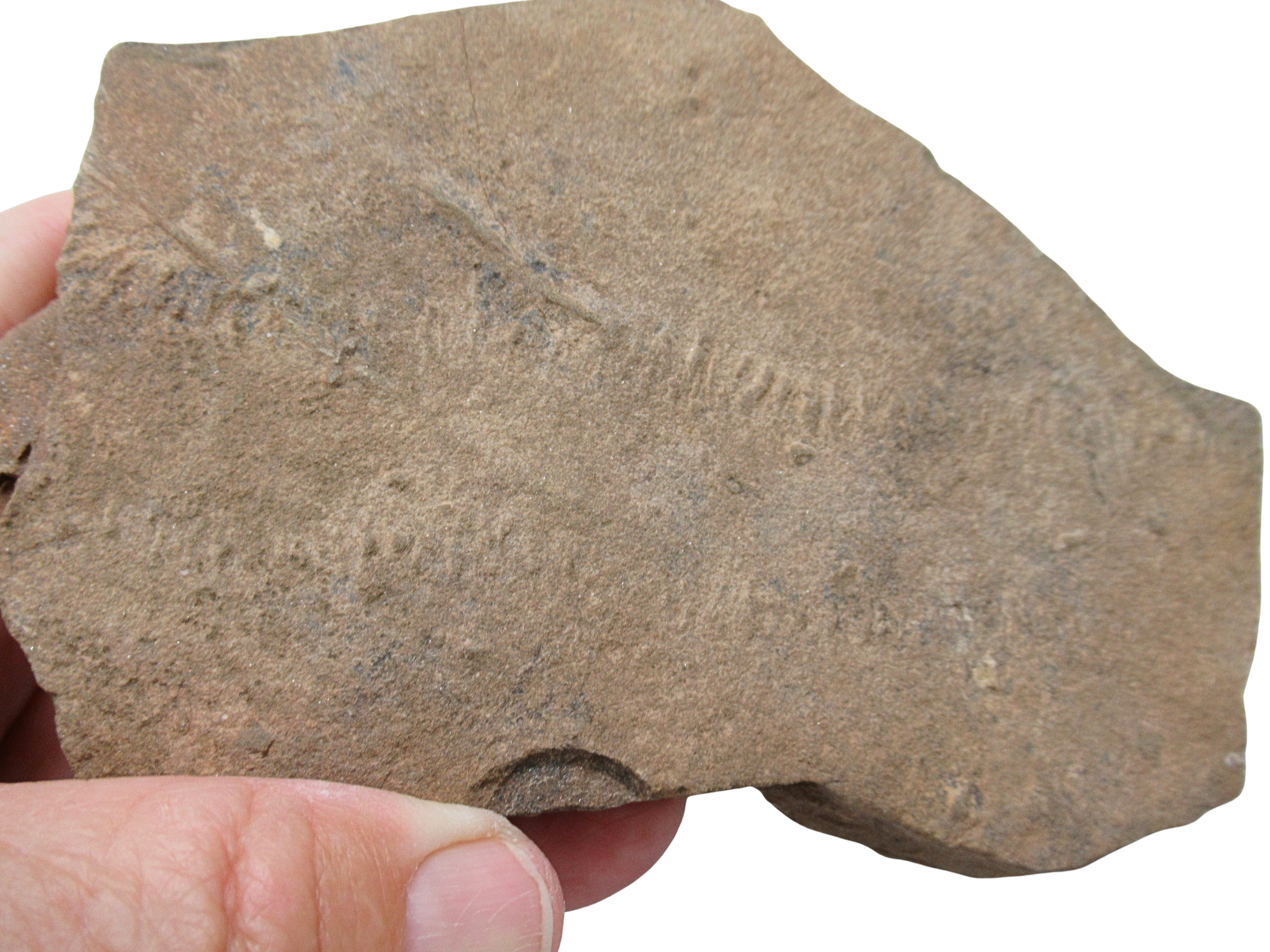
Description
Trilobite Track Fossils For Sale
- Also called CRUZIANA
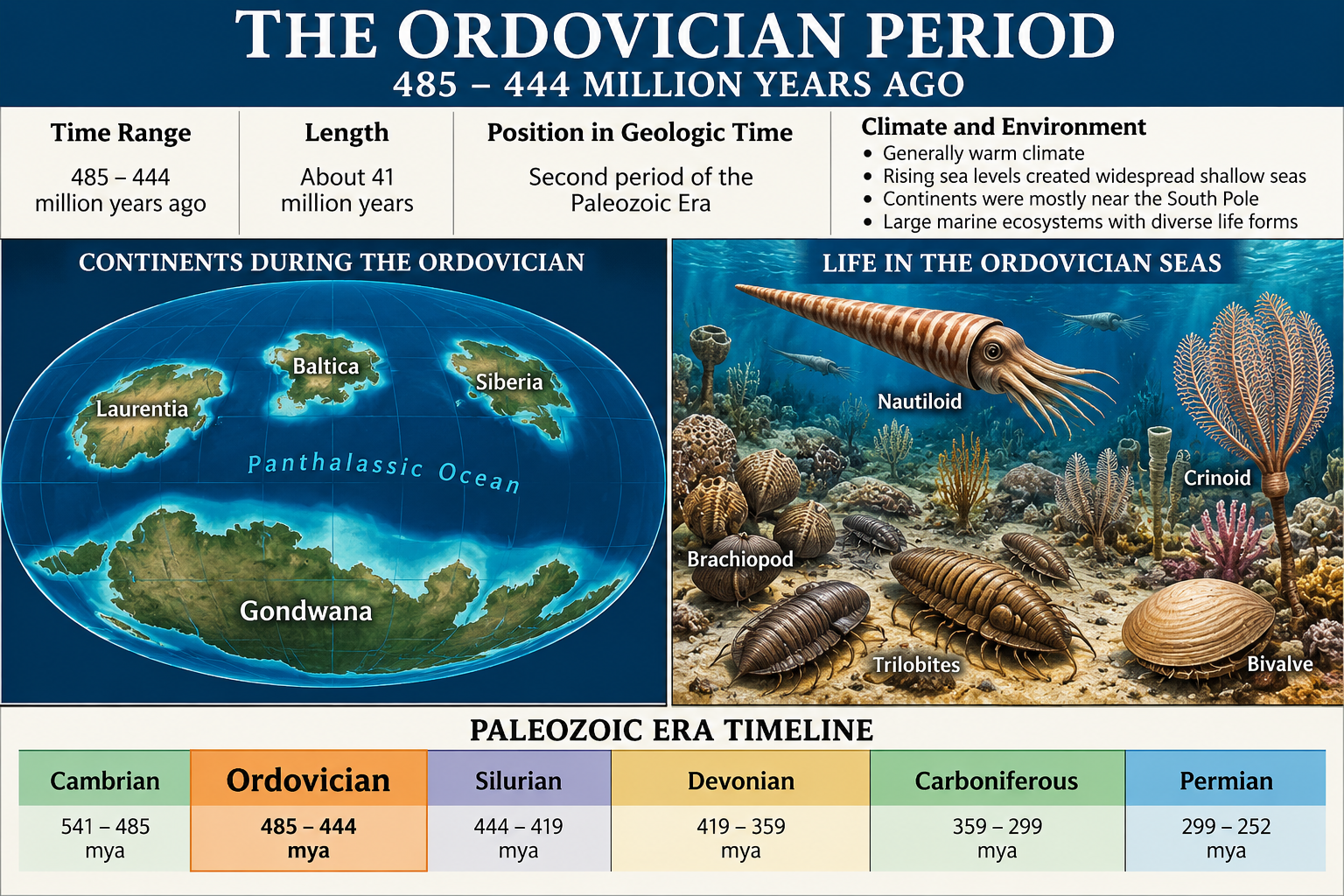
- Ordovician Age
- Taouz Area
- Moroccan Sahara, North Africa
- The highly detailed tracks are preserved in a solid piece of matrix that measures 5.52″ wide as well as 3.61″ tall. In addition, it will come with an ID Label as well. Finally, 100% Guaranteed Genuine
- Buy Fossils – MORE Trace Fossils For Sale
Trilobite Tracks For Sale – Genuine Trilobite Trace Fossils
Trilobite Tracks offer collectors a fascinating look at the behavior of animals that lived hundreds of millions of years ago. Unlike a trilobite body fossil, a track records activity rather than the animal itself. Therefore, these fossils can reveal how trilobites walked, crawled, rested, burrowed, and searched for food across ancient seafloors.
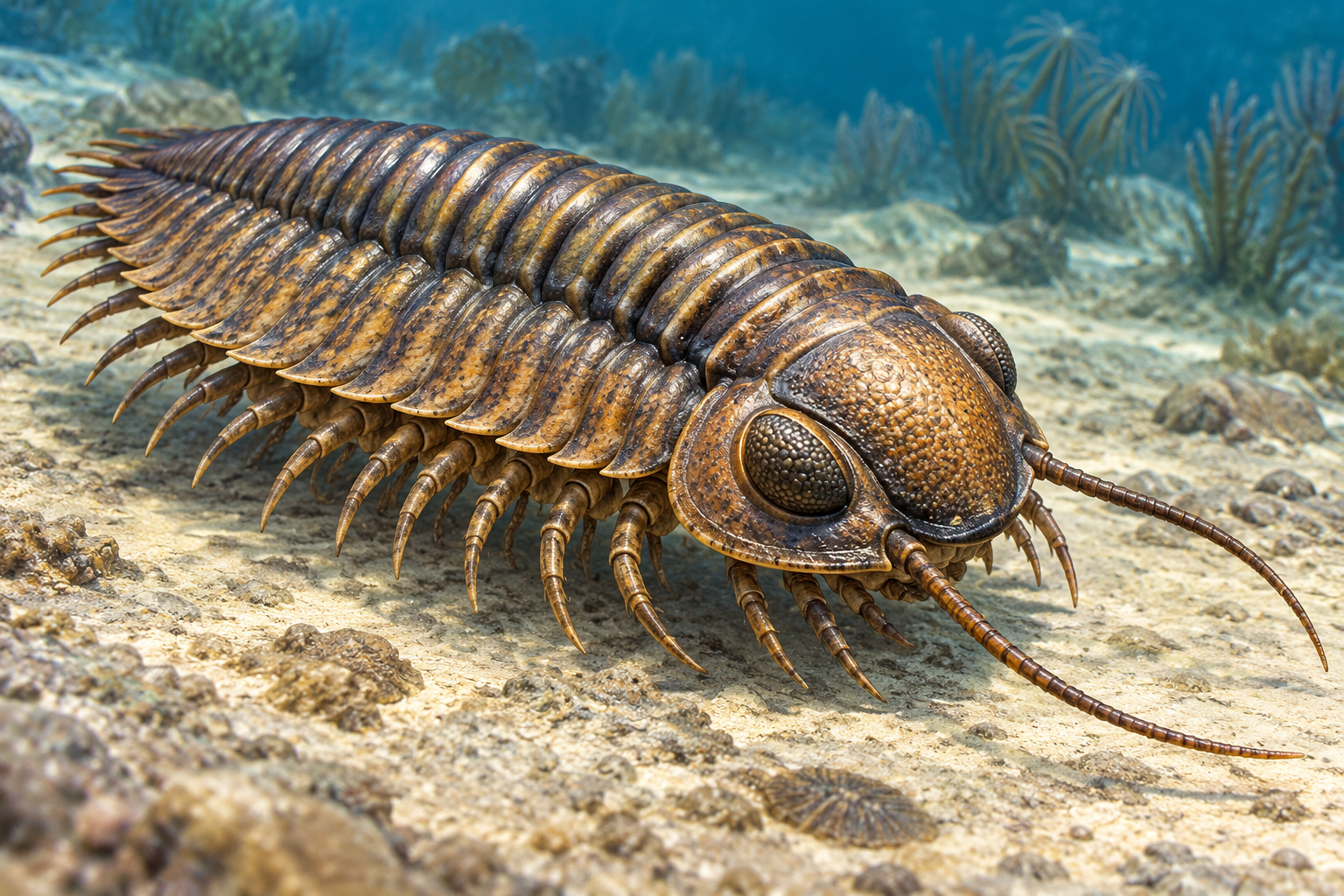
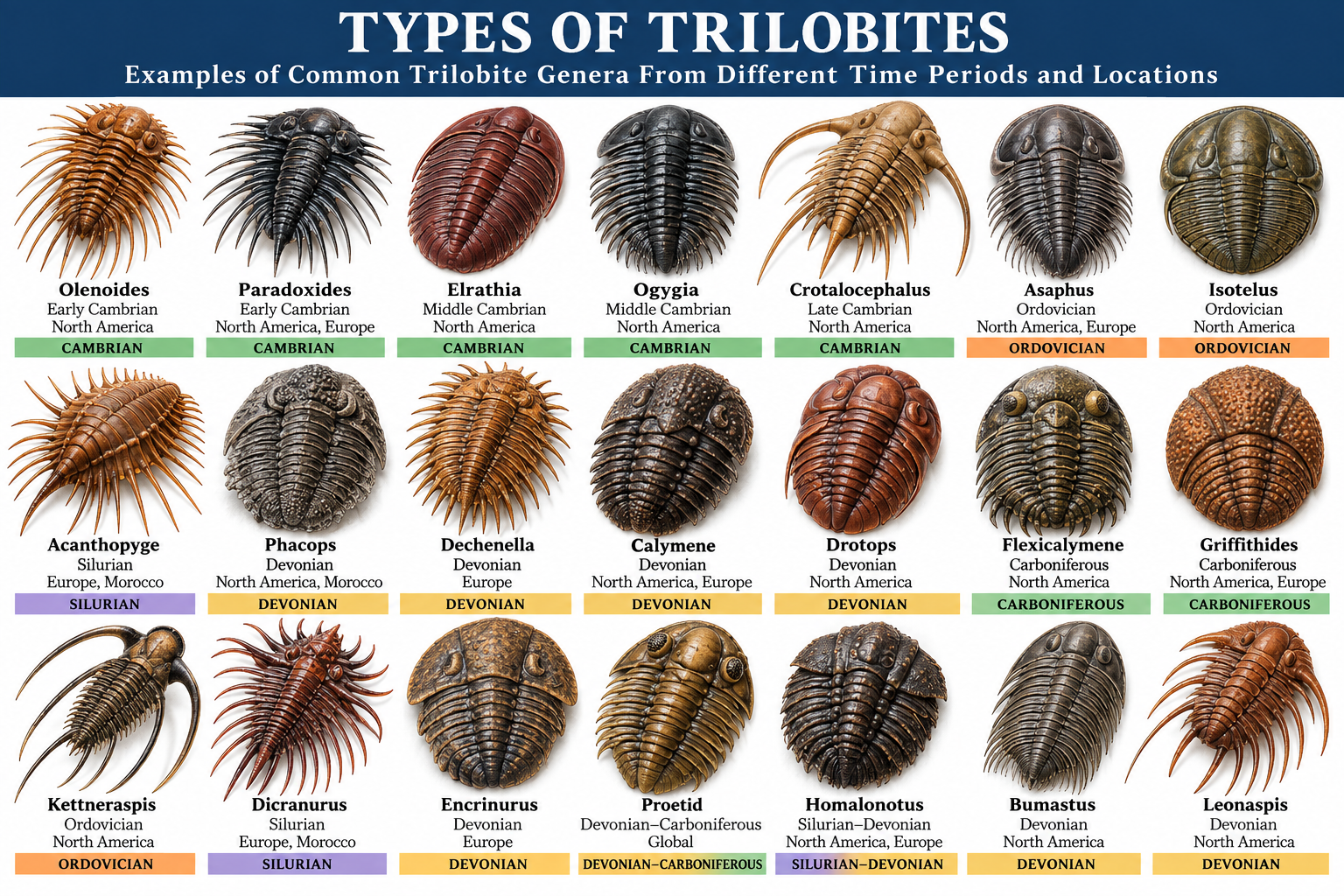
Trilobites were marine arthropods that first appeared during the Cambrian Period more than 500 million years ago. They survived through most of the Paleozoic Era before disappearing during the end-Permian mass extinction about 252 million years ago. Because trilobites lived in oceans around the world, their body fossils and trace fossils occur in many Paleozoic rock formations.
What Are Trilobite Tracks?
Trilobite Track Fossils For Sale
Trilobite Tracks belong to a group called trace fossils, also known as ichnofossils. Instead of preserving an animal’s shell or skeleton, a trace fossil records evidence of its activity. For example, footprints, trails, burrows, feeding marks, and resting impressions can all become trace fossils.
Trilobites had many jointed legs beneath their hard exoskeletons. As they moved across soft sediment, these legs sometimes produced rows of small marks. In addition, parts of the body could touch or drag across the sediment. As a result, one trilobite could create several types of traces.
Common Types of Trilobite Tracks
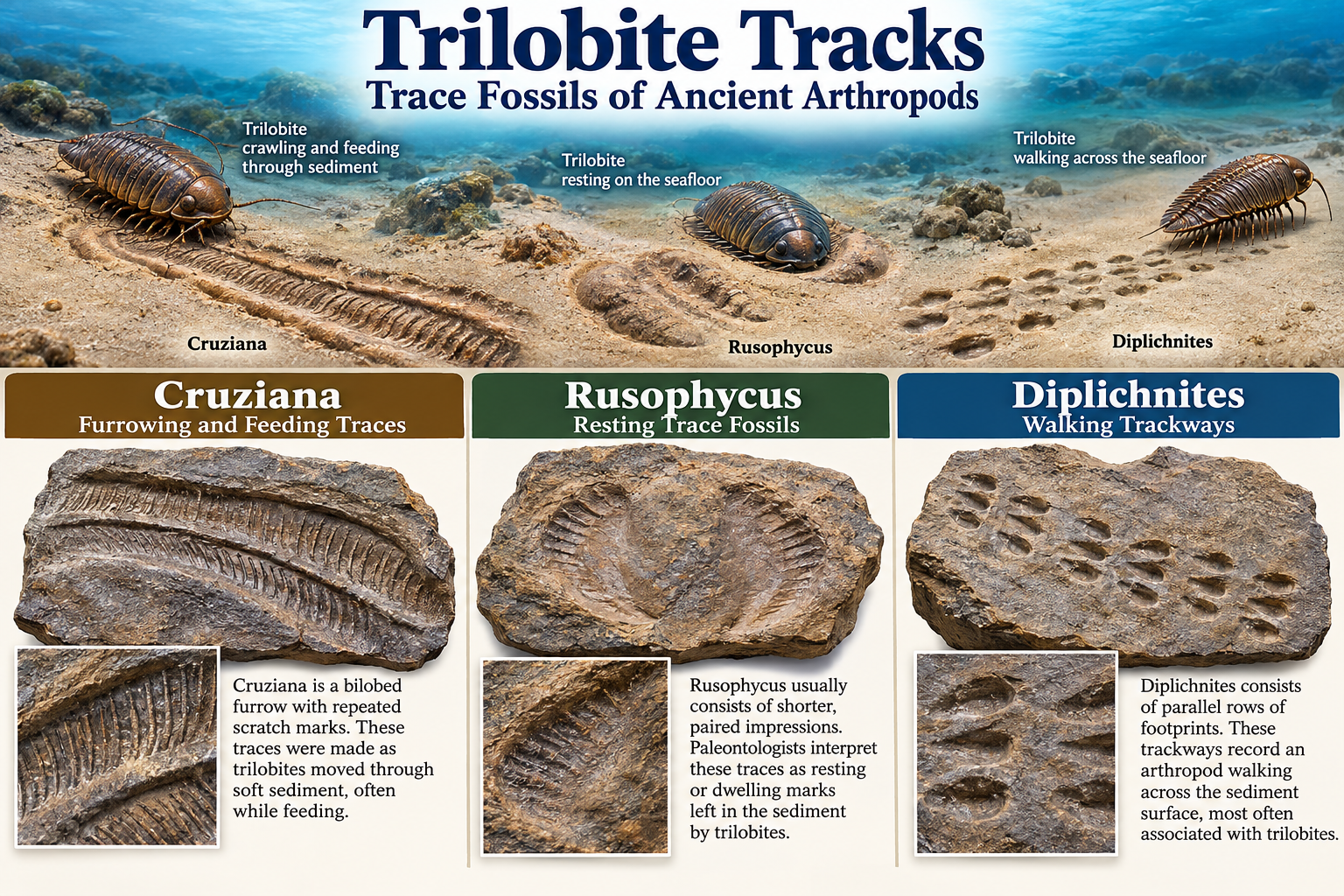
Cruziana is one of the best-known trace fossils commonly associated with trilobite activity. These trails often have two lobes with repeated scratch marks. Scientists generally interpret many examples as feeding or movement traces made while an arthropod disturbed sediment.
Rusophycus commonly appears as a shorter, bilobed impression. Researchers often interpret these fossils as resting or shallow digging traces. A trilobite may have settled into the sediment and moved its legs beneath its body.
Diplichnites, meanwhile, consists of paired rows of footprints. These tracks record an arthropod walking across the sediment surface. However, paleontologists study each specimen carefully because other arthropods could produce similar traces.
How Trilobite Tracks Became Fossils
First, a trilobite or similar arthropod moved across soft mud or sand on the seafloor. Next, the animal left impressions, scratches, or grooves in the sediment. Then, additional sediment covered the marks before waves, currents, or other animals destroyed them.
Over time, more sediment accumulated above the tracks. Burial, mineral cement, and pressure gradually helped turn the sediment into sedimentary rock. Later, erosion or quarrying could expose the ancient surface again. Consequently, Trilobite Tracks made hundreds of millions of years ago can still survive today.
What Trilobite Tracks Tell Scientists
Trace fossils provide information that body fossils cannot always reveal. For instance, a preserved trilobite exoskeleton shows anatomy. A trail, however, can provide evidence about behavior.
Scientists examine the direction of movement, spacing between footprints, scratch patterns, and relationships between trails and surrounding sediment. Therefore, Trilobite Tracks can help researchers reconstruct ancient environments and understand how arthropods interacted with the seafloor.
However, identifying the exact animal responsible for a trace can be difficult. Paleontologists usually classify trace fossils by their shape, structure, and inferred behavior rather than automatically assigning them to a specific trilobite species. This distinction matters because different arthropods could sometimes produce similar traces.
Why Collect Trilobite Tracks?
Trilobite Track Fossils For Sale
Trilobite Tracks preserve brief moments of activity from ancient marine environments. Although the animal itself may no longer remain in the rock, its movements can still appear as tracks, trails, scratches, or resting marks.
For collectors, these fossils provide a different view of prehistoric life than traditional body fossils. Furthermore, they can complement collections containing trilobite exoskeletons and other Paleozoic fossils. Each specimen represents evidence of animal activity on an ancient seafloor.
Trilobite Trace Fossils for Collectors
Trace fossils can add an important behavioral element to a fossil collection. While a body fossil preserves part of an animal, a track records something an animal actually did. Therefore, collectors can use these fossils to compare anatomy with evidence of movement, feeding, and resting behavior.
Trilobite Tracks For Sale at Prehistoric Fossils
At Prehistoric Fossils, we offer genuine natural-history specimens for collectors, educators, students, and fossil enthusiasts. Since 1997, we have helped customers add authentic fossils and educational specimens to their collections. When available, our trace fossils include identification information to help collectors understand their specimens.
Browse our Trilobite Tracks For Sale to discover fascinating examples of Paleozoic animal behavior preserved naturally in stone. These ancient traces provide a connection to animals that moved across ocean floors hundreds of millions of years ago.