
Cabochons For Sale | Natural Gemstone & Mineral Cabochons
Cabochons For Sale | Natural Polished Stones and Fossil Cabochons
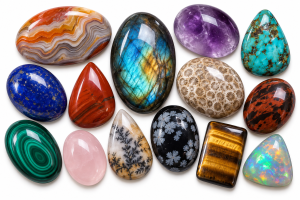
Cabochons For Sale include polished gemstones, minerals, fossils, and other natural materials shaped to highlight their color, pattern, and internal structure. Unlike faceted gemstones, cabochons usually have a smooth, rounded top with a flat or slightly curved base. Because this cutting style preserves broad surface areas, it often reveals natural features that might otherwise remain hidden.
How Cabochons Are Made
First, a lapidary artist selects a suitable piece of rough stone or fossil material. Next, the material is cut into a basic outline with a diamond saw. Common shapes include ovals, circles, rectangles, teardrops, and free-form designs.
Afterward, grinding wheels shape the surface and create the rounded dome. Then, progressively finer abrasives remove scratches and smooth the surface. Finally, polishing compounds create the glossy finish commonly seen on Cabochons For Sale.
Popular Materials Used for Cabochons
Many natural materials make attractive cabochons. For example, agate, jasper, turquoise, malachite, quartz, and lapis lazuli are popular choices. In addition, lapidary artists may use petrified wood, fossil coral, ammonite, and other fossil material when legally and responsibly sourced.
Moreover, cabochon cutting can reveal important geological features. Agate, for instance, may display bands formed as silica-rich fluids deposited microscopic layers of quartz inside cavities. Likewise, jasper can show complex colors and patterns created by mineral impurities.
Collecting Cabochons For Sale
Cabochons For Sale combine geology, natural history, and lapidary art. Because each natural specimen contains different colors, inclusions, and patterns, no two cabochons are exactly alike.
Collectors often display cabochons as mineral or fossil specimens. However, jewelers also use them in rings, pendants, bracelets, and other decorative pieces. Therefore, cabochons offer an attractive way to enjoy the natural beauty preserved inside rocks, minerals, and fossils.
Showing all 34 results
-
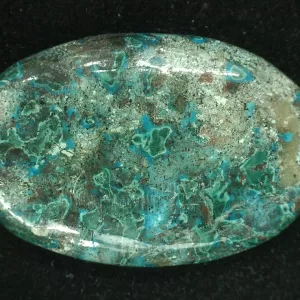
Azurite & Malachite Cabochon #1
$20.00 -
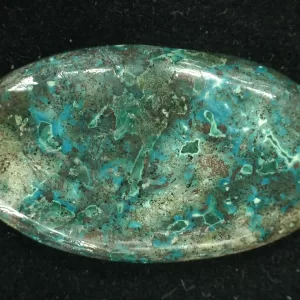
Azurite & Malachite Cabochon #2
$20.00 -
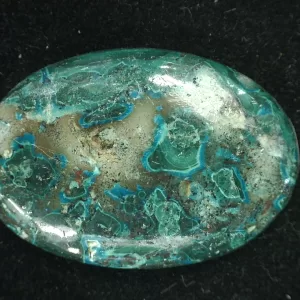
Azurite & Malachite Cabochon #3
$15.00 -
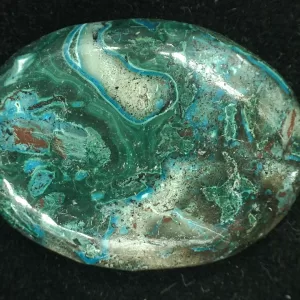
Azurite & Malachite Cabochon #4
$20.00 -
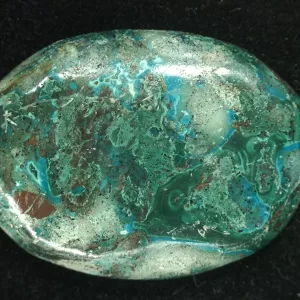
Azurite & Malachite Cabochon #5
$20.00 -
Sold out!
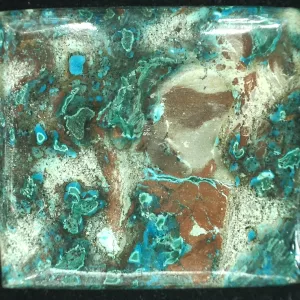
Azurite & Malachite Cabochon #6
$25.00 -
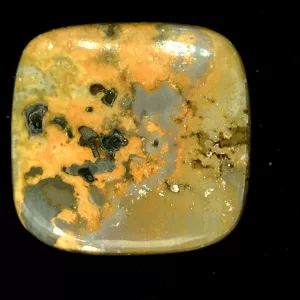
BumbleBee Jasper Cabochon #1
$10.00 -
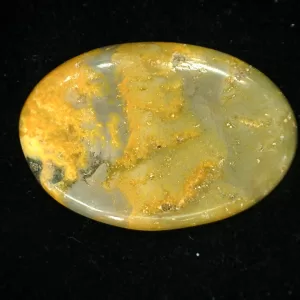
BumbleBee Jasper Cabochon #2
$10.00 -
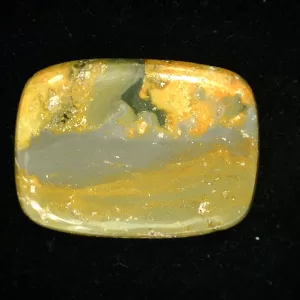
BumbleBee Jasper Cabochon #4
$10.00 -
Sold out!
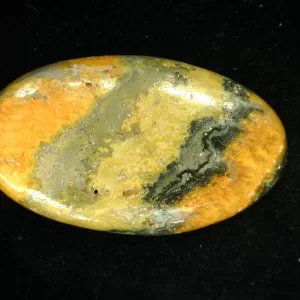
BumbleBee Jasper Cabochon #6
$10.00 -
Sold out!
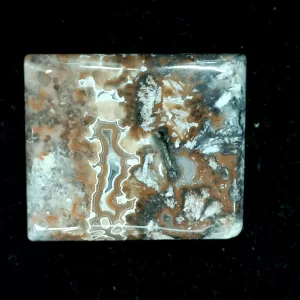
Dragon Blood Jasper Cabochon #1
$12.00 -
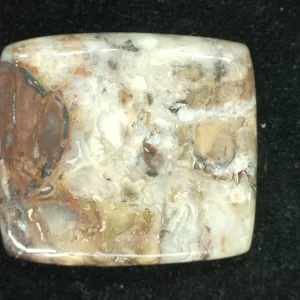
Dragon Blood Jasper Cabochon #2
$12.00 -
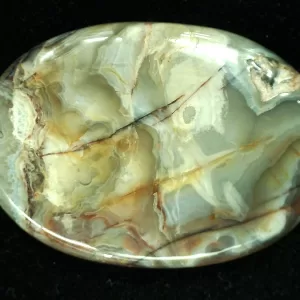
Dragon Blood Jasper Cabochon #3
$12.00 -
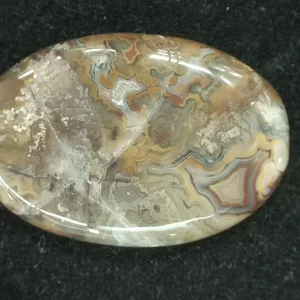
Dragon Blood Jasper Cabochon #4
$12.00 -
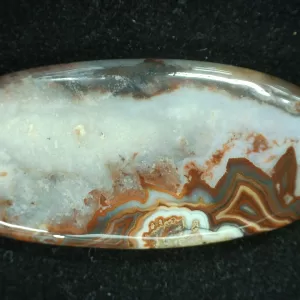
Dragon Blood Jasper Cabochon #5
$15.00 -
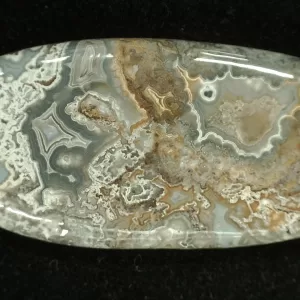
Dragon Blood Jasper Cabochon #6
$20.00 -
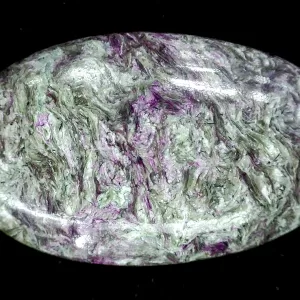
Metaphysical Charoite Cabochon #1
$20.00 -
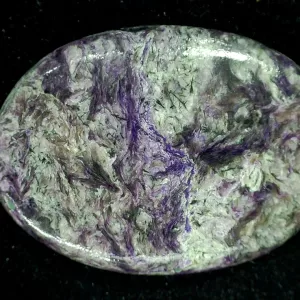
Metaphysical Charoite Cabochon #2
$20.00 -
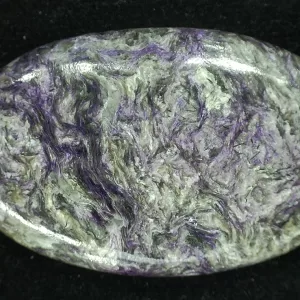
Metaphysical Charoite Cabochon #3
$25.00 -
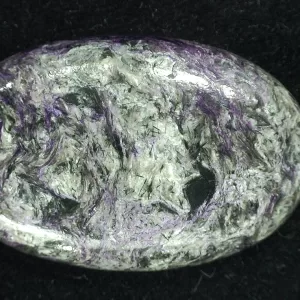
Metaphysical Charoite Cabochon #4
$20.00 -
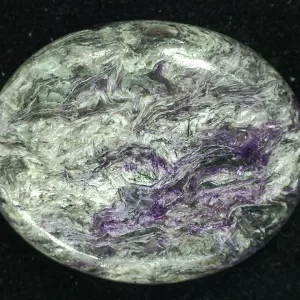
Metaphysical Charoite Cabochon #5
$20.00 -
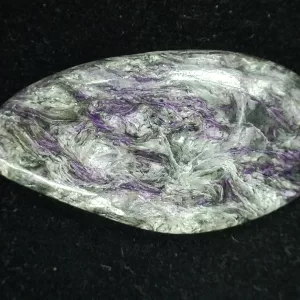
Metaphysical Charoite Cabochon #6
$15.00 -
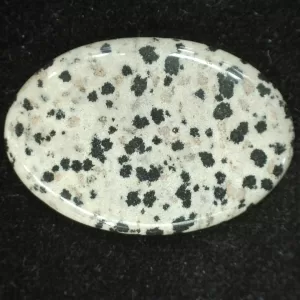
Metaphysical Dalmation Jasper Cabochon #1
$10.00 -
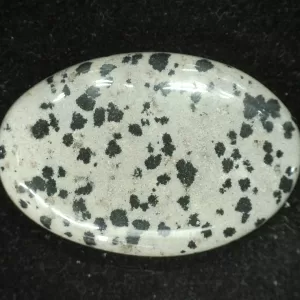
Metaphysical Dalmation Jasper Cabochon #2
$10.00 -
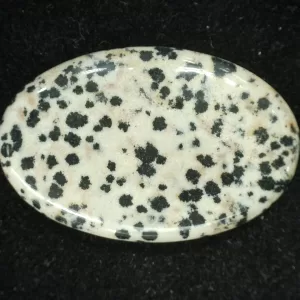
Metaphysical Dalmation Jasper Cabochon #3
$10.00 -
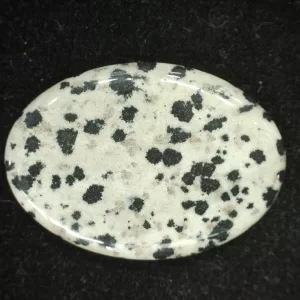
Metaphysical Dalmation Jasper Cabochon #4
$10.00 -
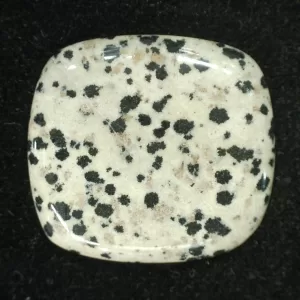
Metaphysical Dalmation Jasper Cabochon #5
$10.00 -
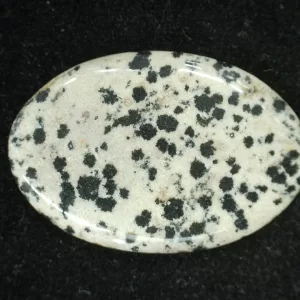
Metaphysical Dalmation Jasper Cabochon #6
$10.00 -
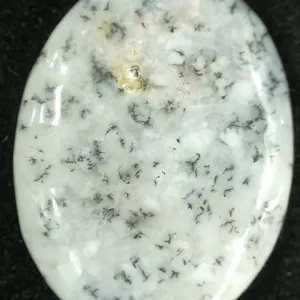
Metaphysical Dendritic Agate Cabochon #1
$15.00 -
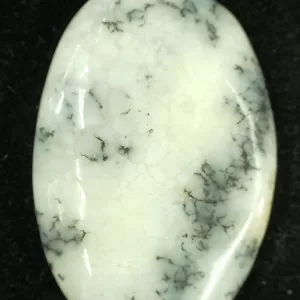
Metaphysical Dendritic Agate Cabochon #2
$10.00 -
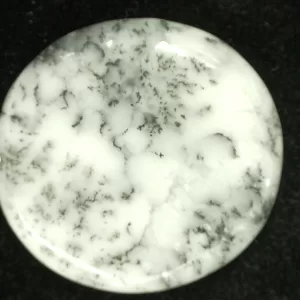
Metaphysical Dendritic Agate Cabochon #3
$20.00 -
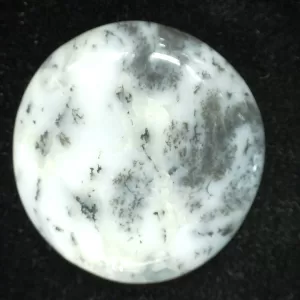
Metaphysical Dendritic Agate Cabochon #4
$15.00 -
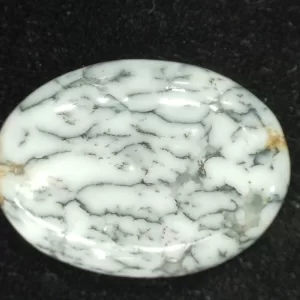
Metaphysical Dendritic Agate Cabochon #5
$15.00 -
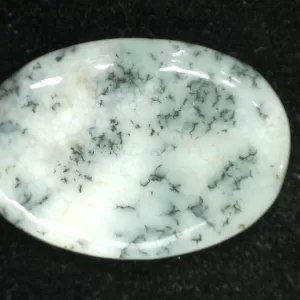
Metaphysical Dendritic Agate Cabochon #6
$15.00
- Buy Cabochons Bookends
- Genuine Gem Cabochons for Sale
- Large Selection
- Great Prices and Great Selection
- Authenticity Guaranteed
- Satisfaction Guaranteed
- Your TRUSTED SOURCE SINCE 1997!
- Many more videos are available on our YouTube Channel.
Cabochons For Sale | Genuine Polished Gemstone Cabochons
Cabochons For Sale offer collectors, jewelry makers, and mineral enthusiasts a beautiful way to appreciate the natural colors, patterns, and optical properties of gemstones. A cabochon is a gemstone that has been shaped and polished with a smooth, rounded surface instead of flat facets. Because of this design, cabochons often display mineral patterns and optical effects that faceted stones may not show as clearly.
Cabochon cutting also represents one of the oldest gemstone-cutting traditions. Today, lapidaries continue to use this method for agate, jasper, opal, turquoise, moonstone, labradorite, jade, and many other natural materials.
What Is a Cabochon?
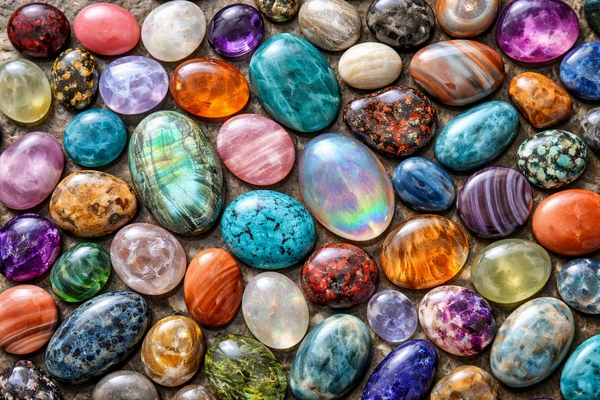 A cabochon typically has a smooth, convex top with a flat or slightly curved base. Unlike a faceted gemstone, it does not have numerous polished flat surfaces. Instead, the lapidary shapes the stone to emphasize its natural color, structure, inclusions, banding, or optical effects.
For example, lapidaries commonly choose cabochon cutting when:
- The gemstone is opaque or translucent
- Its optical effect depends on surface curvature
- Natural patterns are more important than brilliance
- Faceting could expose cleavage planes or structural weaknesses
Therefore, Cabochons For Sale can include both familiar gemstones and unusual mineral specimens that may not be suitable for traditional faceting.
Geological Formation of Cabochon Gemstones
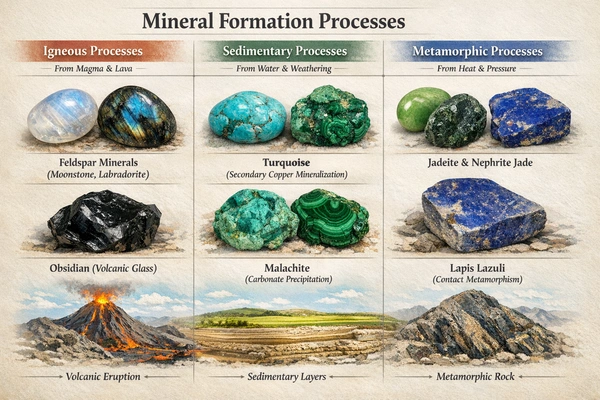 Gemstones used for cabochons form in many different geological settings. Consequently, their colors, patterns, hardness, and mineral structures vary widely.
Igneous and Volcanic Cabochon Materials
Some cabochon materials originate from igneous or volcanic environments. For instance, labradorite forms in igneous rocks, while obsidian develops when silica-rich lava cools rapidly and forms natural volcanic glass.
- Labradorite and other feldspars
- Obsidian
- Some varieties of quartz
Secondary Mineral Deposits
Other gemstones develop through chemical alteration near Earth’s surface. Turquoise commonly forms when copper-rich groundwater reacts with aluminum- and phosphorus-bearing rocks in dry environments. Likewise, malachite typically forms in oxidized zones of copper deposits.
- Turquoise
- Malachite
- Chrysocolla
Metamorphic Cabochon Materials
Metamorphic processes also produce important cabochon gemstones. Jadeite and nephrite form under distinctive pressure and temperature conditions. In addition, lapis lazuli commonly develops through contact metamorphism of limestone or marble.
- Jadeite
- Nephrite jade
- Lapis lazuli
Because many of these stones contain fine-grained, fibrous, cryptocrystalline, or patterned structures, cabochon cutting often displays their natural beauty more effectively than faceting.
Optical Effects Seen in Cabochons For Sale
 One major advantage of the cabochon shape is its ability to reveal special optical effects. In fact, several famous gem phenomena are best displayed beneath a smooth, curved surface.
Adularescence
Moonstone can display a floating glow called adularescence. This effect results from light interacting with microscopic layers within the feldspar.
Asterism
Some rubies and sapphires show a star-shaped reflection known as asterism. Fine, oriented inclusions, commonly rutile needles, reflect light in specific directions. Therefore, cutters carefully orient these stones before shaping the cabochon.
Chatoyancy
Chatoyancy, commonly called the cat’s-eye effect, appears as a bright band of reflected light. Parallel fibers, tubes, or needle-like inclusions can create this striking optical feature.
Play-of-Color in Opal
Precious opal may display shifting spectral colors known as play-of-color. This phenomenon occurs as visible light interacts with regularly arranged microscopic silica spheres. A polished cabochon surface helps display these colors clearly.
Hardness and Mineral Properties of Cabochons
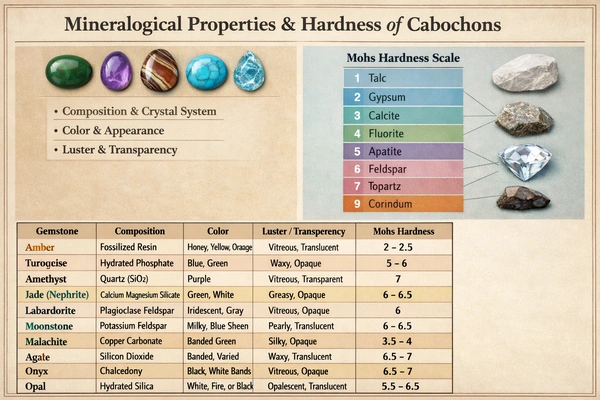 Cabochons For Sale can range from relatively soft gemstones to durable quartz varieties. As a result, understanding Mohs hardness can help collectors and jewelry makers choose appropriate stones for different uses.
| Gemstone or Mineral | Mohs Hardness | Typical Transparency |
|---|---|---|
| Opal | 5.5–6.5 | Transparent to opaque |
| Jadeite | 6.5–7 | Translucent to opaque |
| Quartz / Agate | 7 | Translucent to opaque |
| Turquoise | 5–6 | Opaque |
Rounded cabochon surfaces have fewer sharp edges than many faceted designs. Therefore, they can help reduce edge chipping in some materials. However, durability still depends on hardness, toughness, cleavage, inclusions, and how the gemstone is worn or handled.
Lapidary Cutting and Polishing of Cabochons
Producing a quality cabochon requires careful cutting, grinding, sanding, and polishing. First, the lapidary selects rough material with attractive colors or patterns. Next, the stone is trimmed to shape and gradually ground into a smooth dome.
Progressively finer diamond or silicon carbide abrasives remove scratches. Finally, the lapidary polishes the gemstone with a compound chosen for that particular material. Depending on the mineral, polishing agents may include cerium oxide, tin oxide, aluminum oxide, or diamond compounds.
Cabochon cutting can also:
- Highlight natural mineral banding
- Reveal unusual inclusions and patterns
- Reduce material loss from irregular rough
- Display optical phenomena effectively
- Create a smooth surface for jewelry settings
Cabochons For Jewelry, Collecting, and Display
 Although cabochons are especially popular in jewelry, collectors also value them as polished examples of natural minerals. Their smooth surfaces can reveal patterns that may be difficult to see in rough material.
Common applications include:
- Rings, pendants, bracelets, and earrings
- Wire-wrapped jewelry
- Mineral collections
- Educational displays
- Decorative and lapidary art
- Bezel-set jewelry designs
Because each natural stone develops through unique geological processes, no two cabochons need look exactly alike. Variations in color, inclusions, banding, and mineral structure give each specimen its own character.
Cabochons For Sale From a Trusted Natural History Source
When purchasing Cabochons For Sale, consider the gemstone type, size, hardness, polish, pattern, and intended use. Natural stones may contain inclusions, color variations, small pits, or other features related to their geological origin. These characteristics can help distinguish natural materials and make individual cabochons unique.
At Prehistoric Fossils, we have supplied genuine natural history specimens, fossils, minerals, gemstones, and collectibles since 1997. Our goal is to provide accurately represented specimens for collectors, jewelry makers, educators, and enthusiasts.
Buy Cabochons With Confidence
Shop Cabochons For Sale with confidence. Your Trusted Source Since 1997. Authenticity Guaranteed.